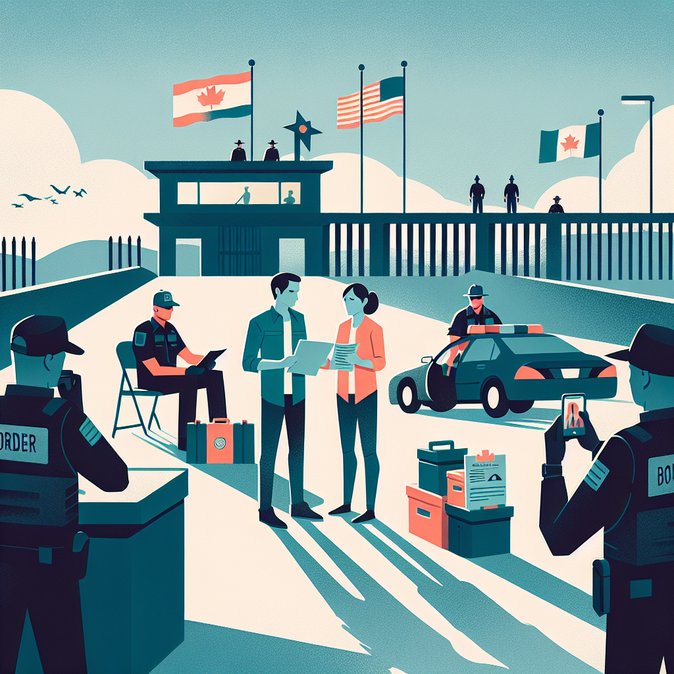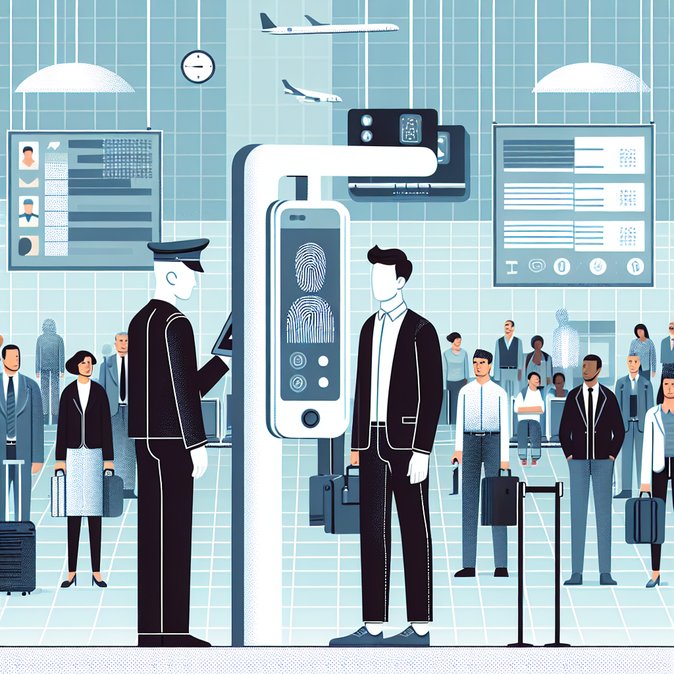
Travel media outlet Travel & Tour World reports that Germany has formally confirmed it will activate the EU’s new biometric Entry/Exit System (EES) on 10 April, lining up with 28 other Schengen members. From that date, non-EU passengers—including UK business travellers—must provide fingerprints and facial images at the first border crossing into the zone.(travelandtourworld.com)
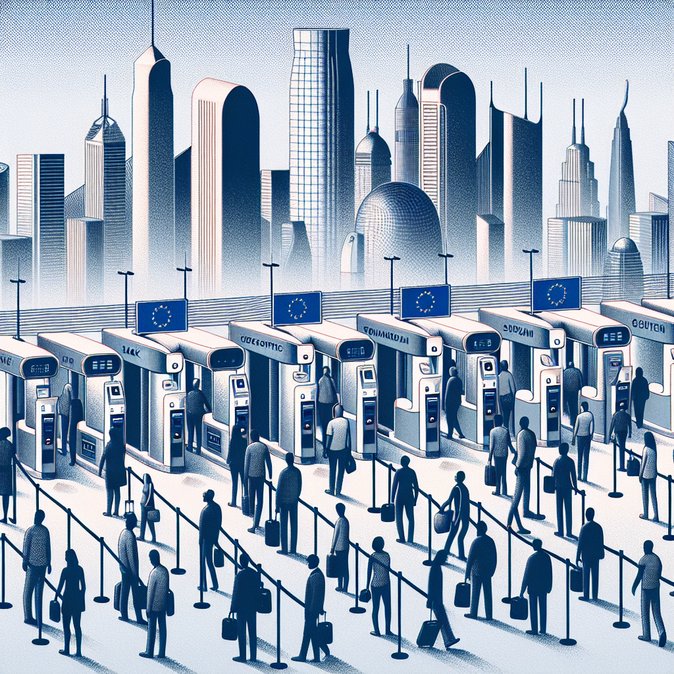
Although the system has been piloted at Frankfurt and Munich since October 2025, airport operators fear deployment on a large scale will push processing times well above current averages. Industry associations quoted in the alert predict queues “of up to four hours” this summer unless extra staff and ‘line pacing’ measures are introduced. The UK Foreign Office has advised travellers to allow additional time.(travelandtourworld.com)
![Germany joins EU roll-out of biometric Entry/Exit System, travellers warned of long queues from 10 April]()
Travellers who want clarity on whether they need additional documents—or simply need step-by-step help securing the right papers—can consult VisaHQ’s Germany page (https://www.visahq.com/germany/). The platform aggregates the latest visa and passport requirements, offers application support and can even arrange courier services, giving both leisure and corporate planners one less thing to worry about in the run-up to EES.
For corporate mobility teams, the change means that A1 short-term assignees and frequent flyers will need to complete the biometric enrolment on their first post-10 April trip; subsequent crossings should be faster thanks to automatic kiosks. Carriers are updating check-in messages and warning that passengers denied boarding for late arrival will not be rebooked free of charge.(travelandtourworld.com)
Germany’s Federal Police say EES will help spot over-stayers and streamline exit checks but concede that staffing plans for the Easter holidays are “under review”. Businesses with tight connection times—particularly at hub airports with non-EU transfer flows—are advised to pad itineraries or consider rail for intra-Schengen legs until initial backlogs subside.(travelandtourworld.com)
Although the system has been piloted at Frankfurt and Munich since October 2025, airport operators fear deployment on a large scale will push processing times well above current averages. Industry associations quoted in the alert predict queues “of up to four hours” this summer unless extra staff and ‘line pacing’ measures are introduced. The UK Foreign Office has advised travellers to allow additional time.(travelandtourworld.com)
Travellers who want clarity on whether they need additional documents—or simply need step-by-step help securing the right papers—can consult VisaHQ’s Germany page (https://www.visahq.com/germany/). The platform aggregates the latest visa and passport requirements, offers application support and can even arrange courier services, giving both leisure and corporate planners one less thing to worry about in the run-up to EES.
For corporate mobility teams, the change means that A1 short-term assignees and frequent flyers will need to complete the biometric enrolment on their first post-10 April trip; subsequent crossings should be faster thanks to automatic kiosks. Carriers are updating check-in messages and warning that passengers denied boarding for late arrival will not be rebooked free of charge.(travelandtourworld.com)
Germany’s Federal Police say EES will help spot over-stayers and streamline exit checks but concede that staffing plans for the Easter holidays are “under review”. Businesses with tight connection times—particularly at hub airports with non-EU transfer flows—are advised to pad itineraries or consider rail for intra-Schengen legs until initial backlogs subside.(travelandtourworld.com)