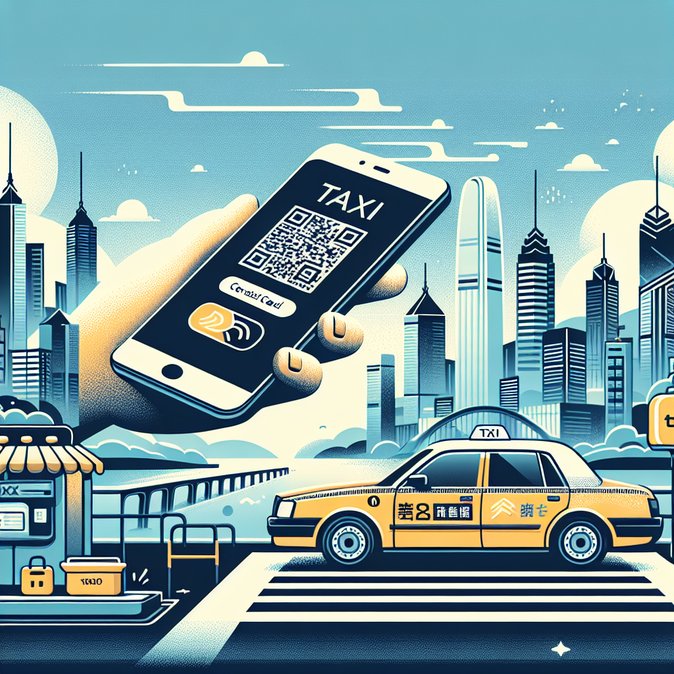
Hong Kong is pushing its public-transport digitalisation drive a step further. An amendment to the Road Traffic Ordinance will require every one of the territory’s 18,000 red, green and blue taxis to accept at least one QR-code system (such as Octopus, AlipayHK or WeChat Pay HK) and one non-QR cash-free method (for example Visa or Mastercard tap-to-pay) from 1 April 2026 onwards. The Transport Department confirmed the timetable on 9 March, adding that some 40,000 drivers—roughly 80 per cent of the workforce—have already enrolled with payment platforms and installed readers on their meters.(news.rthk.hk)
Veteran cabbie Mr Cheng told RTHK the change is boosting ridership because passengers no longer need to check whether they have small notes before flagging a taxi. Ryan Wong, chairman of the Hong Kong Taxi Council, said most e-wallet operators have waived activation and handling fees, lowering the barrier for late adopters. The Transport Department is running territory-wide workshops and on-site support stations to help older drivers register and set up the equipment.(news.rthk.hk)
![Hong Kong Makes E-Payment Options Mandatory for All Taxis from 1 April]()
While the payment landscape is becoming simpler, travelers should still make sure their entry paperwork is in order before they land. VisaHQ’s Hong Kong portal (https://www.visahq.com/hong-kong/) streamlines the visa application process for both business and leisure passengers, offering step-by-step guidance, document checks, and courier handling—so the only thing visitors need to worry about is which e-wallet to tap.
For Hong Kong’s five million annual business visitors, the move removes one of the last cash-only hold-outs in the city and aligns taxis with the fully cashless systems already common on the MTR, airport express, and cross-boundary coach services. Finance teams will also find it easier to reconcile ground-transport expenses, as electronic receipts can be integrated automatically into expense-management platforms.
Looking ahead, the government has hinted that mandatory e-payment will lay the groundwork for dynamic pricing and multi-modal journey planning once real-time taxi data can be fed into mobility-as-a-service (MaaS) apps. Corporate travel managers are advised to update employee travel policies to reflect the new payment choices and remind inbound travellers that contactless cards issued overseas are widely accepted in Hong Kong taxis.
Veteran cabbie Mr Cheng told RTHK the change is boosting ridership because passengers no longer need to check whether they have small notes before flagging a taxi. Ryan Wong, chairman of the Hong Kong Taxi Council, said most e-wallet operators have waived activation and handling fees, lowering the barrier for late adopters. The Transport Department is running territory-wide workshops and on-site support stations to help older drivers register and set up the equipment.(news.rthk.hk)

While the payment landscape is becoming simpler, travelers should still make sure their entry paperwork is in order before they land. VisaHQ’s Hong Kong portal (https://www.visahq.com/hong-kong/) streamlines the visa application process for both business and leisure passengers, offering step-by-step guidance, document checks, and courier handling—so the only thing visitors need to worry about is which e-wallet to tap.
For Hong Kong’s five million annual business visitors, the move removes one of the last cash-only hold-outs in the city and aligns taxis with the fully cashless systems already common on the MTR, airport express, and cross-boundary coach services. Finance teams will also find it easier to reconcile ground-transport expenses, as electronic receipts can be integrated automatically into expense-management platforms.
Looking ahead, the government has hinted that mandatory e-payment will lay the groundwork for dynamic pricing and multi-modal journey planning once real-time taxi data can be fed into mobility-as-a-service (MaaS) apps. Corporate travel managers are advised to update employee travel policies to reflect the new payment choices and remind inbound travellers that contactless cards issued overseas are widely accepted in Hong Kong taxis.