Frankfurt/Madrid – Germany has joined Spain, Iceland and seven other Schengen countries in issuing a formal travel warning that non-EU passengers should brace for longer waiting times when the new Entry/Exit System becomes mandatory on 10 April. The alert, published today (9 March 2026), follows airport-industry lobbying that predicted queues of up to four hours unless additional staff and ‘line pacing’ measures are introduced.
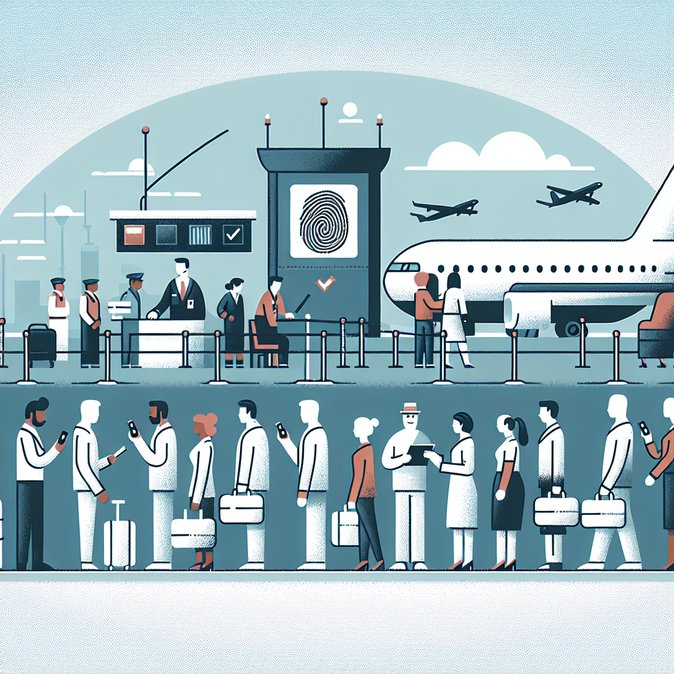
Under EES, third-country nationals will have their passport data, four fingerprints and a facial image captured at first entry, replacing manual passport stamps. German airports expect the process to add 75–120 seconds per traveller in the initial months, a figure that could multiply during Easter and summer peaks.
![Airports Warn of Four-Hour Queues as Germany Joins EU-Wide Travel Alert over EES Roll-Out]()
For travelers looking to stay ahead of these changes, VisaHQ provides clear, up-to-date guidance on German and wider Schengen border formalities, including the new biometric EES requirements. Its platform (https://www.visahq.com/germany/) allows users to review documentation checklists, receive real-time alerts, and even arrange courier services for visa renewals—helping both corporate road warriors and holidaymakers minimize airport delays.
Fraport says it has redeployed 300 students and retirees on short-term contracts as ‘mobile guidance teams’ and will run a public-information campaign in English, Arabic and Mandarin. Travel-management companies are urging corporates to allow at least two extra hours for departure and to avoid tight intra-Schengen connections on tickets involving a first German point of entry.
While the warning targets leisure travellers, the business-travel community is equally affected: crew members on German A1 assignments and frequent short-term travellers from the UK, US and India will have to complete the biometric process on their first trip after 10 April. Employers should update traveller-risk assessments and consider shifting meetings to virtual formats during the first weeks of implementation.
Under EES, third-country nationals will have their passport data, four fingerprints and a facial image captured at first entry, replacing manual passport stamps. German airports expect the process to add 75–120 seconds per traveller in the initial months, a figure that could multiply during Easter and summer peaks.

For travelers looking to stay ahead of these changes, VisaHQ provides clear, up-to-date guidance on German and wider Schengen border formalities, including the new biometric EES requirements. Its platform (https://www.visahq.com/germany/) allows users to review documentation checklists, receive real-time alerts, and even arrange courier services for visa renewals—helping both corporate road warriors and holidaymakers minimize airport delays.
Fraport says it has redeployed 300 students and retirees on short-term contracts as ‘mobile guidance teams’ and will run a public-information campaign in English, Arabic and Mandarin. Travel-management companies are urging corporates to allow at least two extra hours for departure and to avoid tight intra-Schengen connections on tickets involving a first German point of entry.
While the warning targets leisure travellers, the business-travel community is equally affected: crew members on German A1 assignments and frequent short-term travellers from the UK, US and India will have to complete the biometric process on their first trip after 10 April. Employers should update traveller-risk assessments and consider shifting meetings to virtual formats during the first weeks of implementation.
More From Germany
View all
Bundestag Opens Final Debate on ‘Zustrombegrenzungsgesetz’ to Curb Irregular Migration
EU-LISA Review Highlights Final Sprint for EES & ETIAS; Germany Urged to Fast-Track Biometric Kiosk Readiness