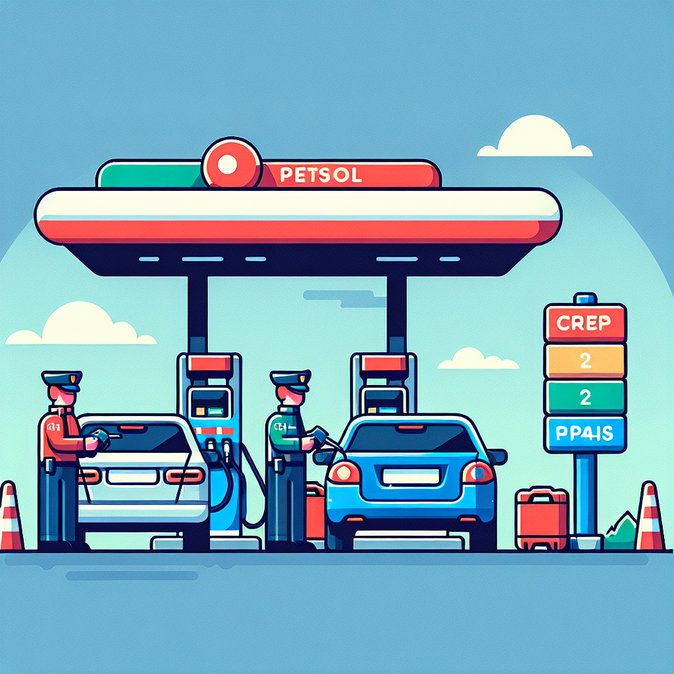
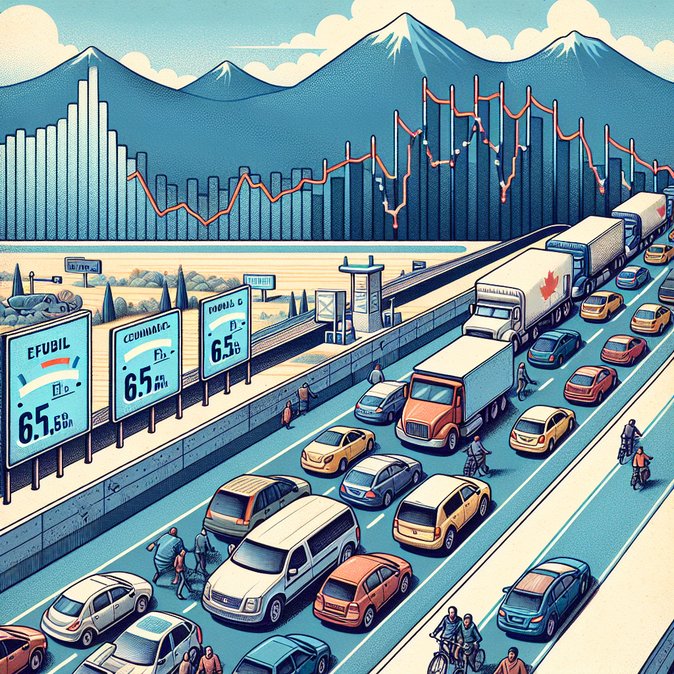
Border petrol stations in western and north-west Bohemia reported queues stretching onto the highway on March 9 as German drivers crossed into Czechia to escape soaring pump prices at home. An on-site report by public broadcaster Český rozhlas found that traffic at one Domažlice-area station has tripled in a week, forcing fuel trucks to deliver three times a day to keep tanks full.
The immediate trigger is a spike in global oil prices following renewed tensions in the Middle East. With German petrol hovering around €2 per litre, a typical 50-litre fill-up now costs German motorists €10-€15 less in Czechia, even after accounting for extra mileage. Customs limits allow only a full vehicle tank plus 20 litres in a jerry can, yet station staff say many visitors exceed that allowance. In response, German customs officers have begun random checks on the return leg, issuing on-the-spot fines where excess fuel is detected.
![German motorists flood Czech border petrol stations as fuel price gap widens]()
For Czech retailers, the windfall is welcome but presents logistical headaches: longer queues alienate domestic customers and require extra staff for crowd control. Local mayors also complain of congestion near small village crossings. Businesses that operate company fleets along the A6-D5 and A93-D6 corridors should anticipate slower transit times and consider staggering refuelling stops.
While most cross-border trips between Germany and Czechia remain visa-free for EU nationals, logistics managers sometimes employ third-country drivers or crew members who do need paperwork. Platforms such as VisaHQ (https://www.visahq.com/czech-republic/) can quickly clarify whether a Czech or Schengen visa is required, walk applicants through forms, and even arrange courier pick-ups—saving companies time should their routing suddenly extend beyond a simple fuel dash.
The episode underscores how differential tax regimes within the EU can distort short-haul mobility patterns almost overnight. Analysts note that if price gaps persist, Germany may face political pressure to cut excise duty, which could in turn squeeze margins for Czech fuel stations dependent on cross-border trade. Corporate mobility managers should keep an eye on bilateral talks and ensure drivers are briefed on customs limits and documentary requirements when carrying spare fuel across the frontier.
The immediate trigger is a spike in global oil prices following renewed tensions in the Middle East. With German petrol hovering around €2 per litre, a typical 50-litre fill-up now costs German motorists €10-€15 less in Czechia, even after accounting for extra mileage. Customs limits allow only a full vehicle tank plus 20 litres in a jerry can, yet station staff say many visitors exceed that allowance. In response, German customs officers have begun random checks on the return leg, issuing on-the-spot fines where excess fuel is detected.
For Czech retailers, the windfall is welcome but presents logistical headaches: longer queues alienate domestic customers and require extra staff for crowd control. Local mayors also complain of congestion near small village crossings. Businesses that operate company fleets along the A6-D5 and A93-D6 corridors should anticipate slower transit times and consider staggering refuelling stops.
While most cross-border trips between Germany and Czechia remain visa-free for EU nationals, logistics managers sometimes employ third-country drivers or crew members who do need paperwork. Platforms such as VisaHQ (https://www.visahq.com/czech-republic/) can quickly clarify whether a Czech or Schengen visa is required, walk applicants through forms, and even arrange courier pick-ups—saving companies time should their routing suddenly extend beyond a simple fuel dash.
The episode underscores how differential tax regimes within the EU can distort short-haul mobility patterns almost overnight. Analysts note that if price gaps persist, Germany may face political pressure to cut excise duty, which could in turn squeeze margins for Czech fuel stations dependent on cross-border trade. Corporate mobility managers should keep an eye on bilateral talks and ensure drivers are briefed on customs limits and documentary requirements when carrying spare fuel across the frontier.