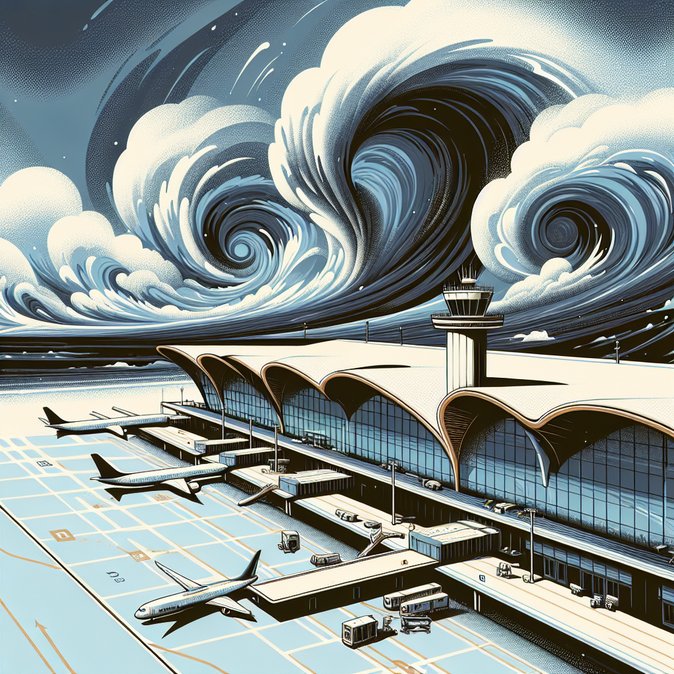
Travellers faced one of the worst single-day disruptions this year on 8 March as thunderstorms, heavy rain and rapid snow-melt swept across central and eastern Canada. Flight-tracking data compiled by Nomad Lawyer show nearly 100 cancellations and about 500 delays affecting Air Canada, WestJet, Delta and a dozen regional carriers. Toronto-Pearson alone recorded 240 delays and 34 cancellations, with knock-on effects reaching Vancouver, Halifax and remote northern airports served by Air Inuit and Air Borealis.
Environment Canada weather warnings slowed ground operations, forced gate holds and pushed crew duty-time limits over the threshold, magnifying delays long after skies cleared. In northern Quebec and Labrador, some communities lost their only daily flight, underscoring the vulnerability of remote supply chains.
While storms can’t be avoided, travellers can at least make sure paperwork isn’t another headache. VisaHQ’s Canadian portal (https://www.visahq.com/canada/) streamlines visas, passports and eTAs so that when itineraries suddenly change, rebooking doesn’t get hung up on missing documents—an easy win for mobility teams juggling last-minute schedule shifts.
![Severe weather triggers 100 flight cancellations and 500 delays across Canadian airports]()
Under Canada’s Air Passenger Protection Regulations, carriers are unlikely to owe cash compensation because weather is deemed outside their control, but they must still rebook passengers or refund fares. Mobility managers are advised to remind employees to keep receipts and request written disruption notices—key evidence for later reimbursement claims.
The episode follows a U.S. weather meltdown on 7 March that cancelled 478 flights south of the border; together, the two storms illustrate the cascading nature of North American aviation networks. Companies with transborder operations should build at least a 24-hour buffer into travel schedules during shoulder-season storms.
Airports expect operations to normalise by 10 March, but meteorologists warn of another low-pressure system next week. Travel teams should monitor Environment Canada bulletins and consider voluntary rebooking for high-priority trips.
Environment Canada weather warnings slowed ground operations, forced gate holds and pushed crew duty-time limits over the threshold, magnifying delays long after skies cleared. In northern Quebec and Labrador, some communities lost their only daily flight, underscoring the vulnerability of remote supply chains.
While storms can’t be avoided, travellers can at least make sure paperwork isn’t another headache. VisaHQ’s Canadian portal (https://www.visahq.com/canada/) streamlines visas, passports and eTAs so that when itineraries suddenly change, rebooking doesn’t get hung up on missing documents—an easy win for mobility teams juggling last-minute schedule shifts.
Under Canada’s Air Passenger Protection Regulations, carriers are unlikely to owe cash compensation because weather is deemed outside their control, but they must still rebook passengers or refund fares. Mobility managers are advised to remind employees to keep receipts and request written disruption notices—key evidence for later reimbursement claims.
The episode follows a U.S. weather meltdown on 7 March that cancelled 478 flights south of the border; together, the two storms illustrate the cascading nature of North American aviation networks. Companies with transborder operations should build at least a 24-hour buffer into travel schedules during shoulder-season storms.
Airports expect operations to normalise by 10 March, but meteorologists warn of another low-pressure system next week. Travel teams should monitor Environment Canada bulletins and consider voluntary rebooking for high-priority trips.