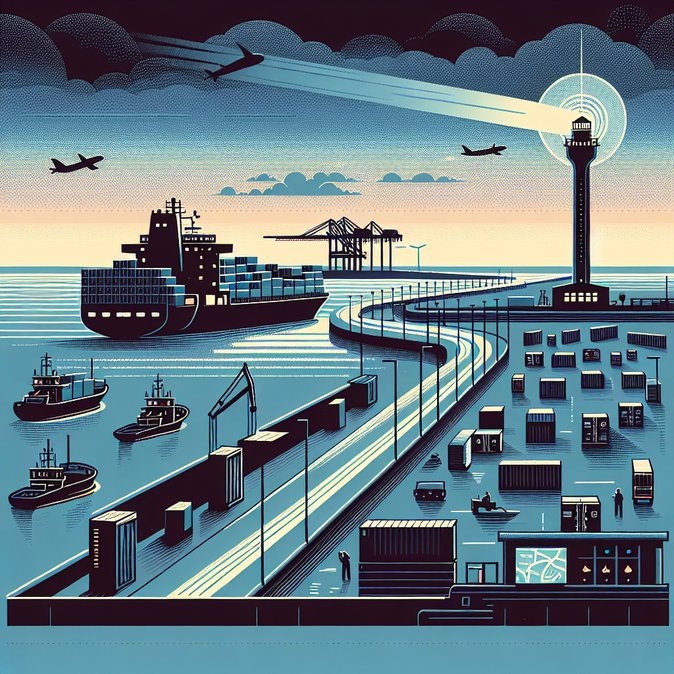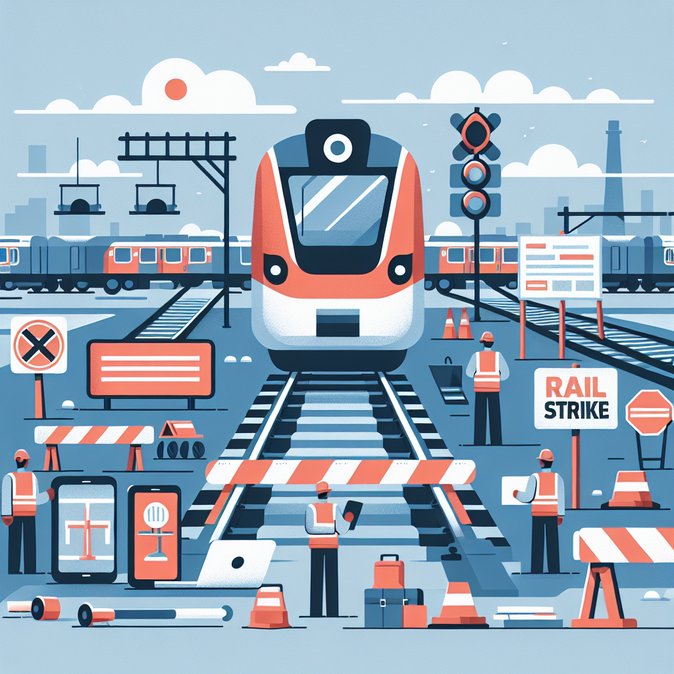
Belgium woke up on Monday, 9 March 2026, to the first of three consecutive days of industrial action on the rail network. The socialist rail union ACOD/CGSP has called a 72-hour walkout to protest the federal government’s pension and staffing reforms. According to the national operator SNCB/NMBS, only seven InterCity (IC) trains out of ten were able to run between major cities, while roughly half of local “L” and suburban “S” services—and very few peak-hour “P” trains—were operating. Although international Thalys, Eurostar and ICE services continued to operate, they did so on modified timetables and with reduced seating. Cargo operators reported having to reroute time-sensitive freight to road or inland-waterway corridors, increasing door-to-door transit times by 24–48 hours.
![Three-day rail strike begins in Belgium, cutting national train capacity by nearly half]()
Travellers whose rerouted itineraries now take them through neighbouring countries should also double-check that their paperwork is in order. VisaHQ, the online visa and passport expediting platform, can help passengers secure any necessary transit or short-stay visas on short notice—and even assist with Belgian documents if an extended stay becomes unavoidable. For a quick check of requirements and an easy application process, visit https://www.visahq.com/belgium/
Business travellers faced especially acute disruption: Brussels’ main rail junction—linking North, Central and Midi stations—was already partially closed over the weekend for long-planned track works, leaving few alternatives. SNCB urged passengers to consult its journey planner repeatedly throughout the week, warning that the strike’s impact “will evolve train by train.” The operator also reminded companies of its bulk refund facility, introduced after the January rail stoppage, which allows corporate travel managers to process ticket changes in a single batch. The rail action is the opening salvo in a wider wave of labour unrest. A nationwide demonstration—supported by all three main union confederations—will unfold in Brussels on Thursday, 12 March, and is expected to paralyse public transport country-wide, including airports and ports. Employers’ federations fear a cumulative economic hit of up to €70 million if the rolling stoppages continue into next week. For globally mobile staff, the practical advice is clear: avoid rail travel within Belgium until at least Thursday night, switch to car-hire or coach links where possible, and build generous contingencies into flight or Eurostar connections. Multinationals with commuter populations in Brussels and Antwerp are advising remote work or overnight stays near offices until normal timetables resume.

Travellers whose rerouted itineraries now take them through neighbouring countries should also double-check that their paperwork is in order. VisaHQ, the online visa and passport expediting platform, can help passengers secure any necessary transit or short-stay visas on short notice—and even assist with Belgian documents if an extended stay becomes unavoidable. For a quick check of requirements and an easy application process, visit https://www.visahq.com/belgium/
Business travellers faced especially acute disruption: Brussels’ main rail junction—linking North, Central and Midi stations—was already partially closed over the weekend for long-planned track works, leaving few alternatives. SNCB urged passengers to consult its journey planner repeatedly throughout the week, warning that the strike’s impact “will evolve train by train.” The operator also reminded companies of its bulk refund facility, introduced after the January rail stoppage, which allows corporate travel managers to process ticket changes in a single batch. The rail action is the opening salvo in a wider wave of labour unrest. A nationwide demonstration—supported by all three main union confederations—will unfold in Brussels on Thursday, 12 March, and is expected to paralyse public transport country-wide, including airports and ports. Employers’ federations fear a cumulative economic hit of up to €70 million if the rolling stoppages continue into next week. For globally mobile staff, the practical advice is clear: avoid rail travel within Belgium until at least Thursday night, switch to car-hire or coach links where possible, and build generous contingencies into flight or Eurostar connections. Multinationals with commuter populations in Brussels and Antwerp are advising remote work or overnight stays near offices until normal timetables resume.