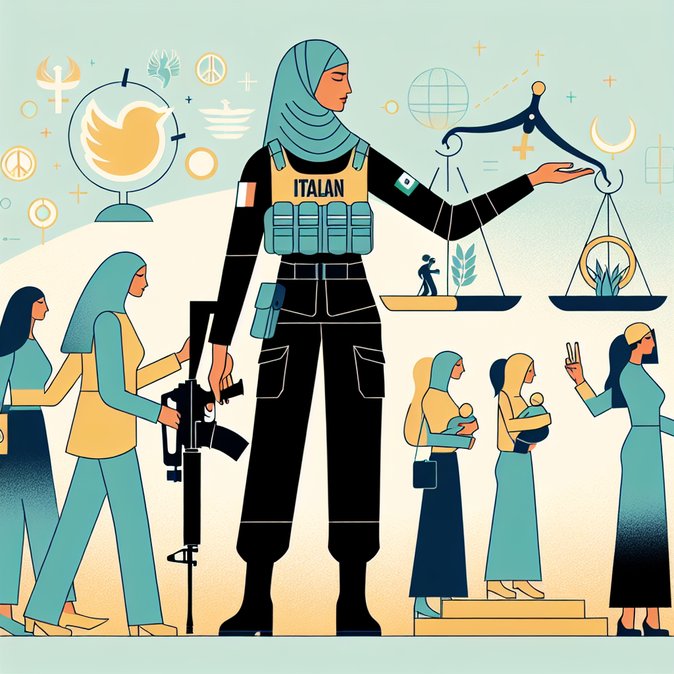
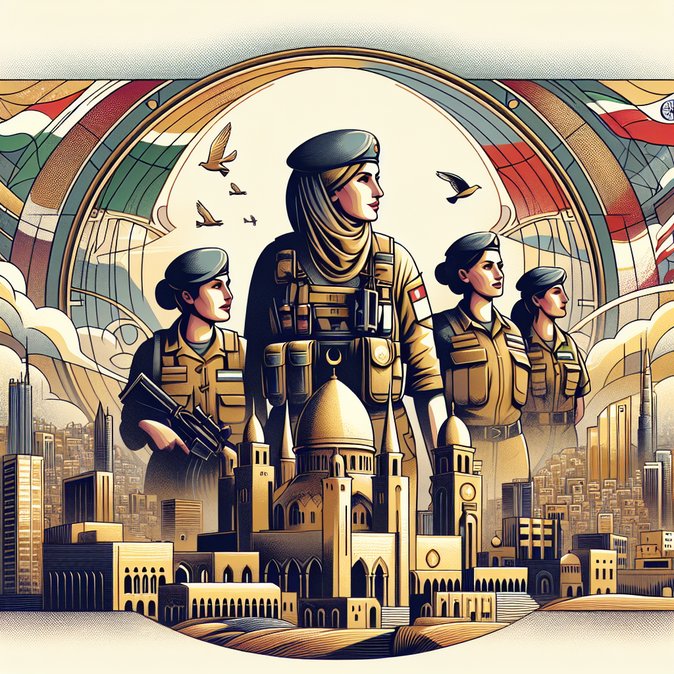
Italy’s diplomatic mission in Beirut used International Women’s Day on 8 March 2026 to spotlight the mobility of an often-overlooked expatriate group: the roughly 1 100 Italian soldiers and Carabinieri serving with UNIFIL along Lebanon’s southern frontier. In a note picked up by ANSA, the embassy reposted UN Women’s tribute to the contingent, emphasising that "peacekeeping is more effective when women lead, protect and inspire." Italy is the second-largest troop contributor to the UN operation, and the deployment includes a growing number of female officers who patrol villages, liaise with local communities and provide medical outreach.
![Italian Embassy in Lebanon Honours Female Peacekeepers on International Women’s Day]()
Whether it’s military personnel rotating through UNIFIL or corporate employees heading to Beirut for short-term projects, securing the right travel documents can be complicated; VisaHQ streamlines the process by offering up-to-date visa information, fast online applications and personalised support for Italy-issued passports and many other nationalities (https://www.visahq.com/italy/).
Their presence underscores Rome’s broader global-mobility footprint, which extends well beyond business travellers and expatriate executives. Defence Ministry figures show that 7 % of the Italian armed forces posted abroad are now women—double the share a decade ago. From a corporate-mobility standpoint, the embassy’s message is a reminder that family-support structures, schooling options and security briefings are integral to successful overseas assignments, whether military or civilian. Italy’s new ‘Supporto Famiglia Expats’ scheme—launched in January 2026 to streamline access to consular education subsidies—specifically lists Lebanon as a priority country owing to its fragile infrastructure. The salute also dovetails with EU Council guidelines urging member states to increase women’s participation in Common Security and Defence Policy missions to 40 % by 2028. Italian officials hinted that lessons from UNIFIL—including accelerated language training and mentoring networks—will feed into upcoming deployments to the Red Sea maritime corridor. For global-mobility professionals, the embassy’s campaign highlights the expanding intersection between gender-equality goals and duty-of-care obligations in high-risk locations. Companies sending staff to Lebanon are advised to review contingency protocols and consider partnering with Italian NGOs that already support peacekeeper families on the ground.
Whether it’s military personnel rotating through UNIFIL or corporate employees heading to Beirut for short-term projects, securing the right travel documents can be complicated; VisaHQ streamlines the process by offering up-to-date visa information, fast online applications and personalised support for Italy-issued passports and many other nationalities (https://www.visahq.com/italy/).
Their presence underscores Rome’s broader global-mobility footprint, which extends well beyond business travellers and expatriate executives. Defence Ministry figures show that 7 % of the Italian armed forces posted abroad are now women—double the share a decade ago. From a corporate-mobility standpoint, the embassy’s message is a reminder that family-support structures, schooling options and security briefings are integral to successful overseas assignments, whether military or civilian. Italy’s new ‘Supporto Famiglia Expats’ scheme—launched in January 2026 to streamline access to consular education subsidies—specifically lists Lebanon as a priority country owing to its fragile infrastructure. The salute also dovetails with EU Council guidelines urging member states to increase women’s participation in Common Security and Defence Policy missions to 40 % by 2028. Italian officials hinted that lessons from UNIFIL—including accelerated language training and mentoring networks—will feed into upcoming deployments to the Red Sea maritime corridor. For global-mobility professionals, the embassy’s campaign highlights the expanding intersection between gender-equality goals and duty-of-care obligations in high-risk locations. Companies sending staff to Lebanon are advised to review contingency protocols and consider partnering with Italian NGOs that already support peacekeeper families on the ground.