With particulate pollution again breaching EU thresholds, Île-de-France Mobilités triggered its €4 ‘forfait antipollution’ on Sunday, 8 March, allowing unlimited Metro, RER, bus and tram travel for the day. Lifestyle portal Sortir-à-Paris, which collates real-time transport data, confirms the measure will stay in place “until the end of the pollution episode,” typically 24-48 hours.
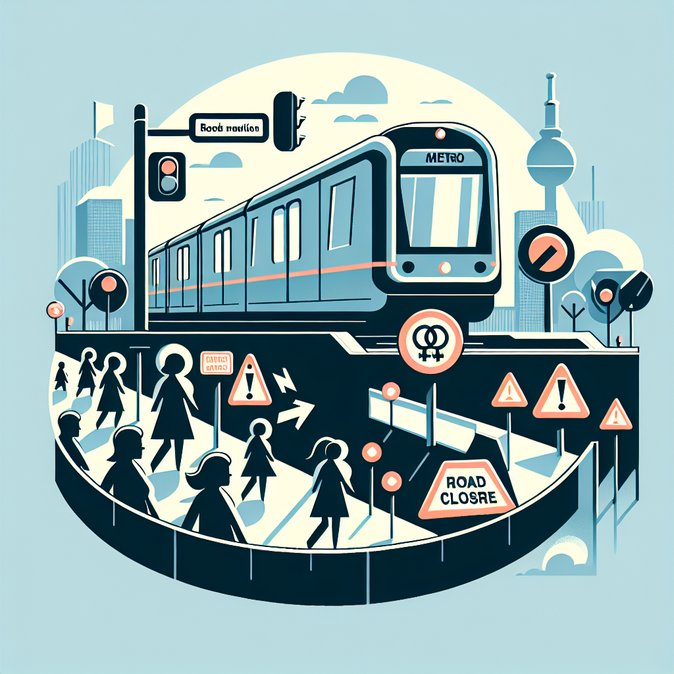
The same bulletin details an extensive roster of engineering works coinciding with the women’s-rights march and the Paris Half-Marathon. Key points for travellers: RER C is truncated nightly between Austerlitz and Juvisy after 22:25 until 27 March; Metro Line 11 closes early at Châtelet for platform-screen-door installation; and several bus corridors in the 10ᵉ and 19ᵉ arrondissements are rerouted to accommodate the Stalingrad–République demonstration.
![Paris activates anti-pollution travel pass and lists weekend transport works for 8 March]()
For overseas visitors facing these disruptions, dealing with visa paperwork at the same time can be an added headache. VisaHQ’s France service (https://www.visahq.com/france/) simplifies the application process, offers live status updates and can fast-track urgent requests—leaving travellers free to focus on shifting transport schedules rather than consulate appointments.
The cheap-day ticket aims to entice motorists off the road, but it is also a boon for business visitors caught by short-notice changes. Travel managers should alert employees that standard Navigo fares will not be reimbursed while the pollution pass is valid—claimants should provide the special-rate receipt instead.
Companies running events on 8–9 March should advise delegates to budget extra journey time and use journey-planner apps that integrate live disruption feeds. The pollution episode is the eighth since January, fuelling calls for a broader mobility-pricing reform that would make cheap all-network passes automatically available whenever Paris enters an orange pollution alert.
The same bulletin details an extensive roster of engineering works coinciding with the women’s-rights march and the Paris Half-Marathon. Key points for travellers: RER C is truncated nightly between Austerlitz and Juvisy after 22:25 until 27 March; Metro Line 11 closes early at Châtelet for platform-screen-door installation; and several bus corridors in the 10ᵉ and 19ᵉ arrondissements are rerouted to accommodate the Stalingrad–République demonstration.

For overseas visitors facing these disruptions, dealing with visa paperwork at the same time can be an added headache. VisaHQ’s France service (https://www.visahq.com/france/) simplifies the application process, offers live status updates and can fast-track urgent requests—leaving travellers free to focus on shifting transport schedules rather than consulate appointments.
The cheap-day ticket aims to entice motorists off the road, but it is also a boon for business visitors caught by short-notice changes. Travel managers should alert employees that standard Navigo fares will not be reimbursed while the pollution pass is valid—claimants should provide the special-rate receipt instead.
Companies running events on 8–9 March should advise delegates to budget extra journey time and use journey-planner apps that integrate live disruption feeds. The pollution episode is the eighth since January, fuelling calls for a broader mobility-pricing reform that would make cheap all-network passes automatically available whenever Paris enters an orange pollution alert.