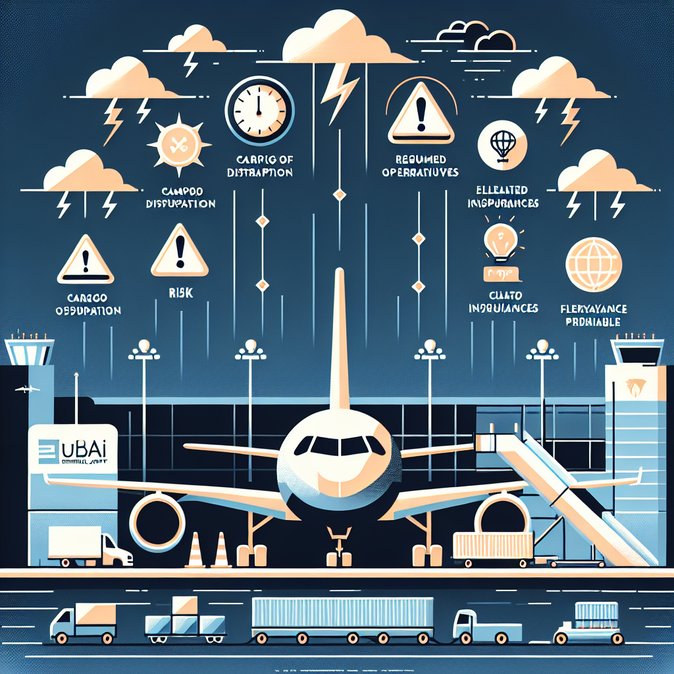
After a 36-hour security shutdown linked to the widening Gulf conflict, Dubai Airports announced on 7 March that limited departures and arrivals were resuming at both DXB and its sister field DWC. The ripple effect for Belgian mobility is significant: Brussels Airlines, TUI Fly Belgium and Emirates’ Brussels route are rebuilding schedules in real time, while forward bookings remain frozen.
The airport authority urged passengers to visit the terminals only if they have received explicit airline confirmation. Belgian travellers connecting via the Gulf hub are reporting re-routing through Doha, Muscat or Istanbul, adding eight to twelve hours to typical journey times. Cargo flows are also affected; high-value pharmaceuticals destined for Liège’s cargo gateway are facing 48-hour delays, prompting forwarders to consider alternative routings via Frankfurt and Amsterdam.
Belgian passengers scrambling to rearrange itineraries may also need fresh transit or destination visas at short notice. VisaHQ’s Brussels office (https://www.visahq.com/belgium/) can fast-track electronic or stamped visas for more than 200 countries, monitor changing entry rules and submit applications on a traveller’s behalf, easing the paperwork burden while airlines and airports reshape their schedules.
![Dubai International partially reopens; Belgian carriers and travellers face rolling schedule changes]()
Travel-risk consultants advise that the partial reopening does not equate to stability. Underwriters continue to levy war-risk premiums on flights over the Strait of Hormuz, costs that carriers may pass on through dynamic surcharges. Companies should keep ticket conditions fully flexible and ensure that emergency medical-assistance policies remain valid under the current UK Foreign Office “essential travel only” designation for parts of the UAE.
Belgian citizens requiring onward visas—for example to Saudi Arabia or India—are being reminded that appointments at outsourced visa-application centres in Dubai may still be cancelled at short notice. The FPS Foreign Affairs recommends applying instead in Brussels where possible, or deferring non-essential regional travel until flight schedules stabilise.
For the moment, the safest strategy for Belgian assignees is to transit Europe–UAE routes via Muscat or Kuwait City, both of which retain spare capacity and have so far escaped airspace restrictions.
The airport authority urged passengers to visit the terminals only if they have received explicit airline confirmation. Belgian travellers connecting via the Gulf hub are reporting re-routing through Doha, Muscat or Istanbul, adding eight to twelve hours to typical journey times. Cargo flows are also affected; high-value pharmaceuticals destined for Liège’s cargo gateway are facing 48-hour delays, prompting forwarders to consider alternative routings via Frankfurt and Amsterdam.
Belgian passengers scrambling to rearrange itineraries may also need fresh transit or destination visas at short notice. VisaHQ’s Brussels office (https://www.visahq.com/belgium/) can fast-track electronic or stamped visas for more than 200 countries, monitor changing entry rules and submit applications on a traveller’s behalf, easing the paperwork burden while airlines and airports reshape their schedules.

Travel-risk consultants advise that the partial reopening does not equate to stability. Underwriters continue to levy war-risk premiums on flights over the Strait of Hormuz, costs that carriers may pass on through dynamic surcharges. Companies should keep ticket conditions fully flexible and ensure that emergency medical-assistance policies remain valid under the current UK Foreign Office “essential travel only” designation for parts of the UAE.
Belgian citizens requiring onward visas—for example to Saudi Arabia or India—are being reminded that appointments at outsourced visa-application centres in Dubai may still be cancelled at short notice. The FPS Foreign Affairs recommends applying instead in Brussels where possible, or deferring non-essential regional travel until flight schedules stabilise.
For the moment, the safest strategy for Belgian assignees is to transit Europe–UAE routes via Muscat or Kuwait City, both of which retain spare capacity and have so far escaped airspace restrictions.
More From Belgium
View all
12 March national strike will shut down all passenger departures at Brussels and Charleroi airports
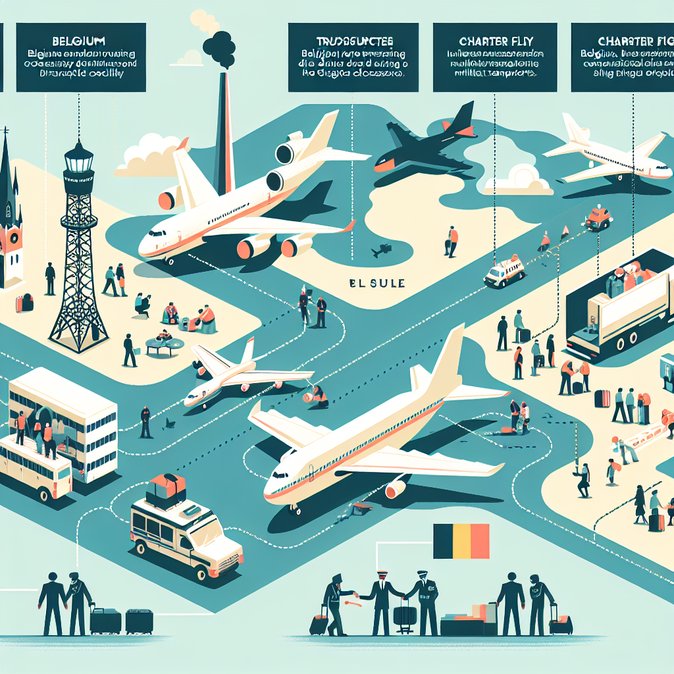
Belgium launches multi-leg airlift to repatriate 560 citizens stranded in Middle-East conflict zone