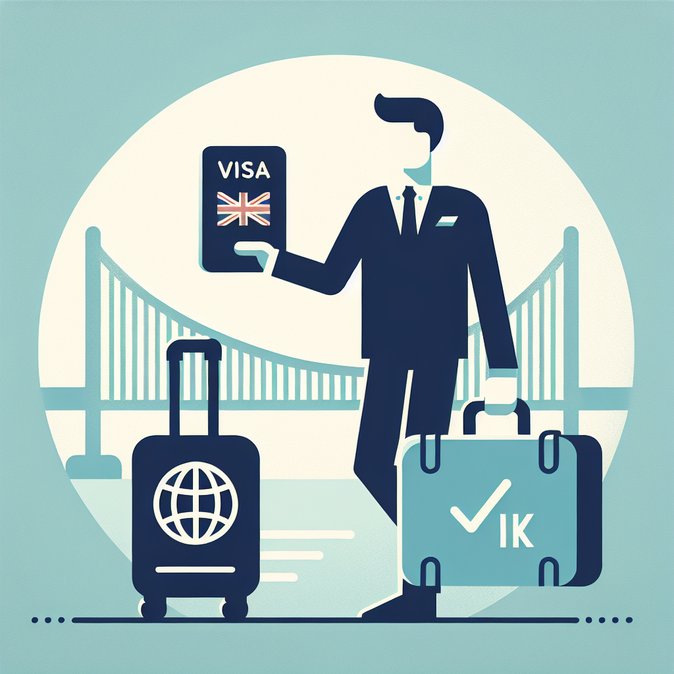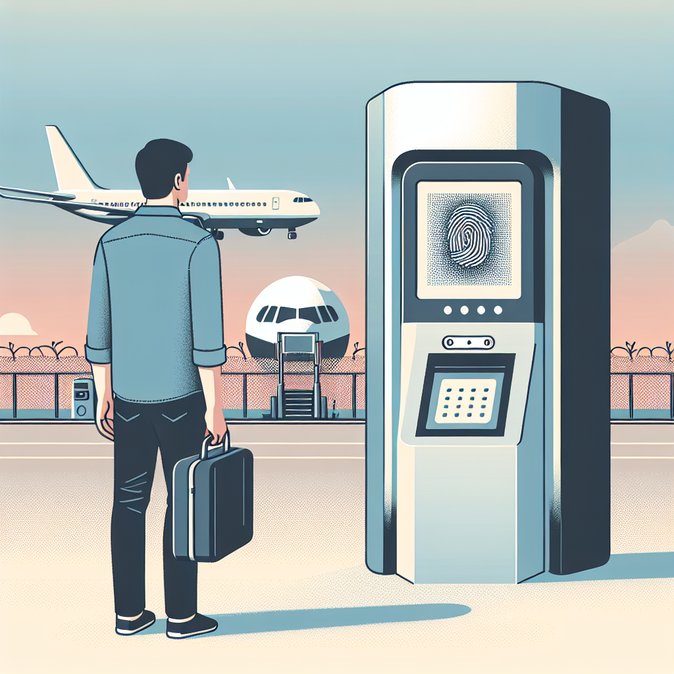
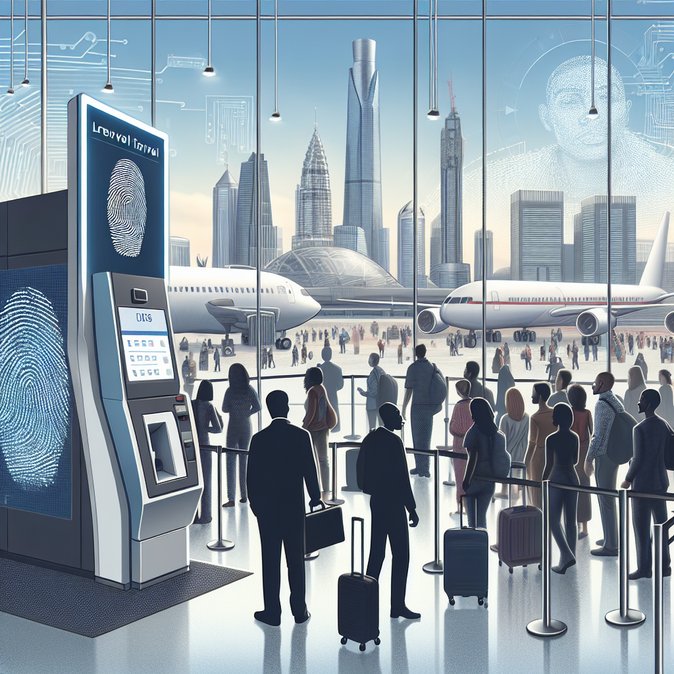
Taiwan-based EVA Air has issued an advisory to its Hong Kong and Macau customers confirming that the European Union’s automated Entry/Exit System (EES) will replace manual passport stamping for non-EU nationals from the fourth quarter of 2026. Travellers will have their photo and fingerprints captured on first entry; subsequent crossings will match biometrics and record time spent in the bloc. (evaair.com)
Although no pre-arrival application is needed, airlines warn passengers to budget extra time—especially during the familiarisation phase when self-service kiosks are new. The change matters for business travellers who frequently shuttle between corporate hubs such as Frankfurt, Paris and Amsterdam: overstays will now be calculated automatically, leaving little room for human discretion.
![Schengen Entry/Exit System goes live: Hong Kong travellers face mandatory biometrics at EU borders]()
For personalised help, travellers can turn to VisaHQ’s Hong Kong portal (https://www.visahq.com/hong-kong/), which tracks Schengen entry rules in real time and offers corporate account services that flag potential 90/180-day conflicts before tickets are issued.
Companies should update travel policies to remind staff of the 90/180-day Schengen limitation and store biometric confirmation receipts for audit purposes. Frequent-flyer programmes may need to adjust minimum connection times in GDS bookings to avoid mis-connects when transferring between non-EU and EU flights.
The EES is a prerequisite for the long-delayed European Travel Information and Authorisation System (ETIAS), now slated for 2027, which will add an online screening layer similar to America’s ESTA.
Although no pre-arrival application is needed, airlines warn passengers to budget extra time—especially during the familiarisation phase when self-service kiosks are new. The change matters for business travellers who frequently shuttle between corporate hubs such as Frankfurt, Paris and Amsterdam: overstays will now be calculated automatically, leaving little room for human discretion.
For personalised help, travellers can turn to VisaHQ’s Hong Kong portal (https://www.visahq.com/hong-kong/), which tracks Schengen entry rules in real time and offers corporate account services that flag potential 90/180-day conflicts before tickets are issued.
Companies should update travel policies to remind staff of the 90/180-day Schengen limitation and store biometric confirmation receipts for audit purposes. Frequent-flyer programmes may need to adjust minimum connection times in GDS bookings to avoid mis-connects when transferring between non-EU and EU flights.
The EES is a prerequisite for the long-delayed European Travel Information and Authorisation System (ETIAS), now slated for 2027, which will add an online screening layer similar to America’s ESTA.