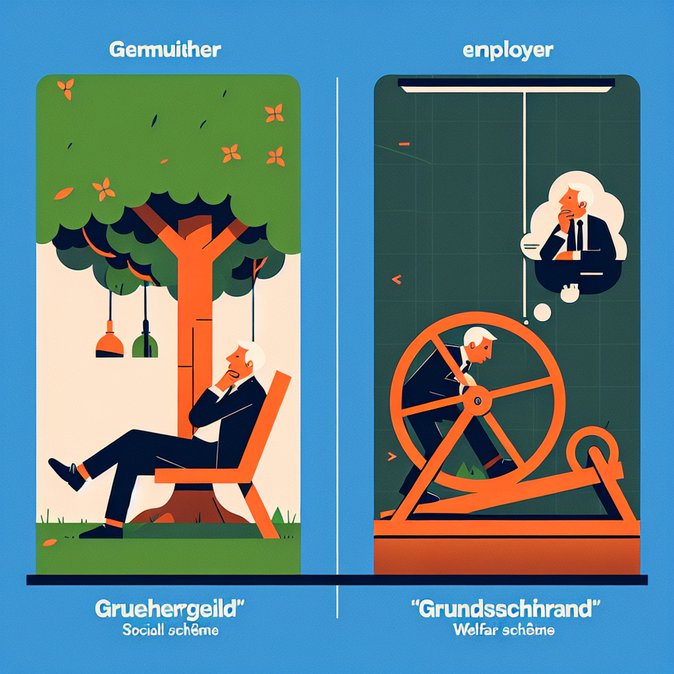
After months of heated debate, the German Bundestag on 6 March adopted the ‘Thirteenth Law Amending the Social Code II’, replacing the 2023 Bürgergeld with a stricter ‘Grundsicherungsgeld’. Social policy NGO Der Paritätische Hamburg warns that key flexibilities introduced for foreign job-seekers will be rolled back. (paritaet-hamburg.de)
Under the reform, unemployed parents must accept work once their child reaches 14 months (previously three years). Sanctions for missed appointments revive, and housing-cost support will be harder to secure. Although benefit levels remain €563 per month plus rent, the tougher regime is designed to push recipients into employment more quickly. (paritaet-hamburg.de)
Why does this matter for global mobility? HR teams relocating non-EU spouses or dependants to Germany often rely on temporary welfare top-ups while first earners settle in; those cushions will shrink. Expatriates who lose their jobs risk faster benefit cuts if they do not accept retraining or lower-skilled roles. The law may also influence naturalisation prospects, as prolonged reliance on Grundsicherung could become a negative factor in citizenship applications.
![Bundestag votes to scrap Bürgergeld and tighten welfare rules, raising stakes for migrant job-seekers]()
At this stage, HR departments and relocating employees may want to streamline Germany’s visa formalities to minimise other administrative headaches. VisaHQ’s Germany portal (https://www.visahq.com/germany/) offers step-by-step guidance, document checklists and fast-track filing services for work, family-reunion and business visas, helping assignees stay compliant while they adapt to the new welfare landscape.
The Bundesrat still has to sign off, but ministers say the first tranche will take effect on 1 July 2026, giving employers a narrow window to review hardship and family-support policies. Immigration lawyers expect a spike in appeals challenging sanctions once the regime bites, so companies should budget for potential legal assistance.
Critics argue the move undermines Germany’s attractiveness for international talent just as the country competes with Canada and the Netherlands for skilled workers. Supporters counter that tighter rules will ease taxpayer burdens and encourage integration through work.
Under the reform, unemployed parents must accept work once their child reaches 14 months (previously three years). Sanctions for missed appointments revive, and housing-cost support will be harder to secure. Although benefit levels remain €563 per month plus rent, the tougher regime is designed to push recipients into employment more quickly. (paritaet-hamburg.de)
Why does this matter for global mobility? HR teams relocating non-EU spouses or dependants to Germany often rely on temporary welfare top-ups while first earners settle in; those cushions will shrink. Expatriates who lose their jobs risk faster benefit cuts if they do not accept retraining or lower-skilled roles. The law may also influence naturalisation prospects, as prolonged reliance on Grundsicherung could become a negative factor in citizenship applications.

At this stage, HR departments and relocating employees may want to streamline Germany’s visa formalities to minimise other administrative headaches. VisaHQ’s Germany portal (https://www.visahq.com/germany/) offers step-by-step guidance, document checklists and fast-track filing services for work, family-reunion and business visas, helping assignees stay compliant while they adapt to the new welfare landscape.
The Bundesrat still has to sign off, but ministers say the first tranche will take effect on 1 July 2026, giving employers a narrow window to review hardship and family-support policies. Immigration lawyers expect a spike in appeals challenging sanctions once the regime bites, so companies should budget for potential legal assistance.
Critics argue the move undermines Germany’s attractiveness for international talent just as the country competes with Canada and the Netherlands for skilled workers. Supporters counter that tighter rules will ease taxpayer burdens and encourage integration through work.