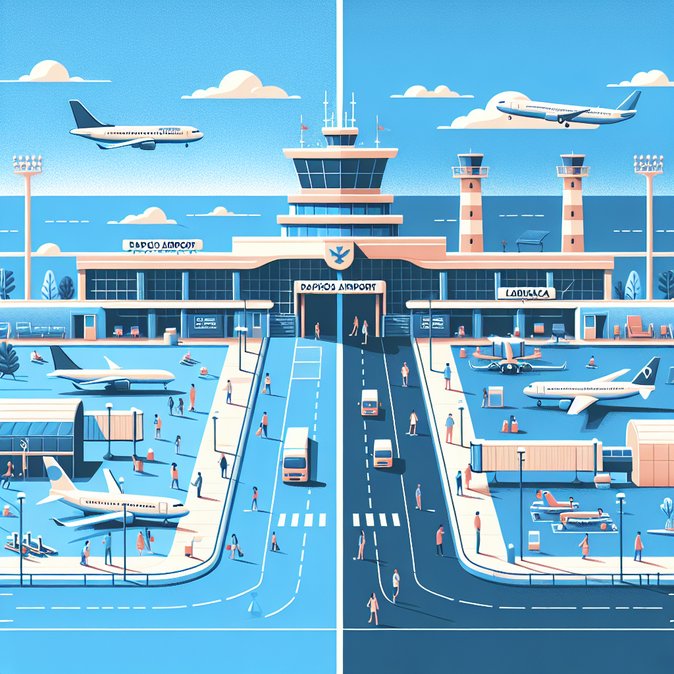
Cyprus’s two international gateways told very different stories on 6-7 March 2026. Paphos Airport resumed its full timetable on Friday morning after drone-alert disruptions earlier in the week, while Larnaca Airport cancelled 39 flights—22 arrivals and 17 departures—because carriers remain wary of the island’s proximity to regional hostilities.(in-cyprus.philenews.com)
Hermes Airports, which operates both terminals, said contingency staff were redeployed from Paphos to Larnaca to manage re-booking queues stretching outside the departures hall. EasyJet, Ryanair and Jet2 are operating normally into Paphos, but Middle-East connections via Larnaca on Emirates and Aegean are still suspended. British charter giant TUI has flagged an 11 March target date to resume Larnaca rotations, subject to security clearances.
Amid the shifting operational landscape, travellers should also double-check entry requirements. VisaHQ’s dedicated Cyprus page (https://www.visahq.com/cyprus/) lets passengers confirm visa rules in minutes and arrange any necessary documents online, removing one more layer of stress while airlines juggle last-minute schedule changes.
![Paphos Airport Back to Full Operations as Larnaca Cancels 39 Flights]()
Tour operators report that some package-holiday clients have accepted coach transfers between the two airports—an 80-minute trip—to keep onward connections. Hotels in Paphos saw an unexpected 14 percent occupancy bump on Friday night as travellers opted to stay put rather than risk same-day connections through Larnaca.
For globally mobile staff the key takeaway is route-specific volatility. Travel managers should create dynamic ‘fly-list’ guidance, clearing Larnaca only when an airline confirms flight status inside 12 hours of departure, while treating Paphos as the primary leisure and remote-work entry point for the short term.
Hermes says it is installing additional body-scanners and tightening drone-detection protocols at both airports. A Transport Ministry decree banning civilian drone flights over Cyprus remains in force until further notice.
Hermes Airports, which operates both terminals, said contingency staff were redeployed from Paphos to Larnaca to manage re-booking queues stretching outside the departures hall. EasyJet, Ryanair and Jet2 are operating normally into Paphos, but Middle-East connections via Larnaca on Emirates and Aegean are still suspended. British charter giant TUI has flagged an 11 March target date to resume Larnaca rotations, subject to security clearances.
Amid the shifting operational landscape, travellers should also double-check entry requirements. VisaHQ’s dedicated Cyprus page (https://www.visahq.com/cyprus/) lets passengers confirm visa rules in minutes and arrange any necessary documents online, removing one more layer of stress while airlines juggle last-minute schedule changes.

Tour operators report that some package-holiday clients have accepted coach transfers between the two airports—an 80-minute trip—to keep onward connections. Hotels in Paphos saw an unexpected 14 percent occupancy bump on Friday night as travellers opted to stay put rather than risk same-day connections through Larnaca.
For globally mobile staff the key takeaway is route-specific volatility. Travel managers should create dynamic ‘fly-list’ guidance, clearing Larnaca only when an airline confirms flight status inside 12 hours of departure, while treating Paphos as the primary leisure and remote-work entry point for the short term.
Hermes says it is installing additional body-scanners and tightening drone-detection protocols at both airports. A Transport Ministry decree banning civilian drone flights over Cyprus remains in force until further notice.