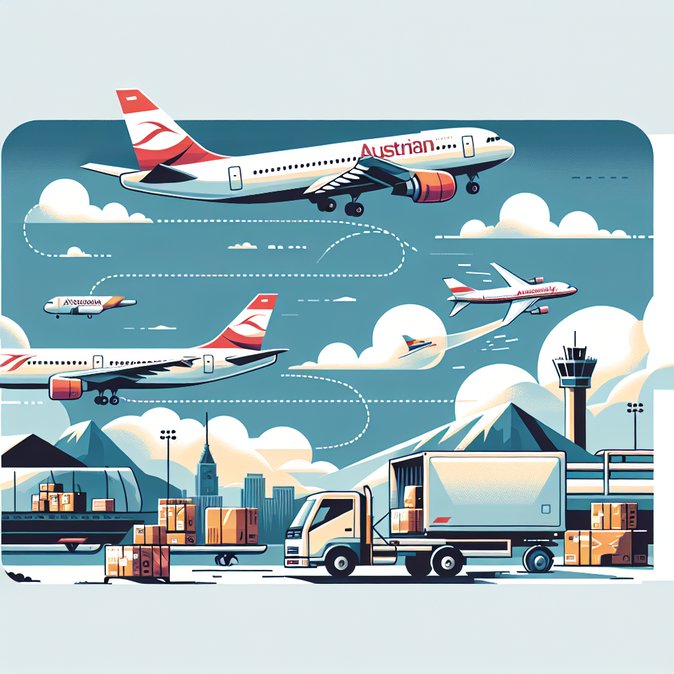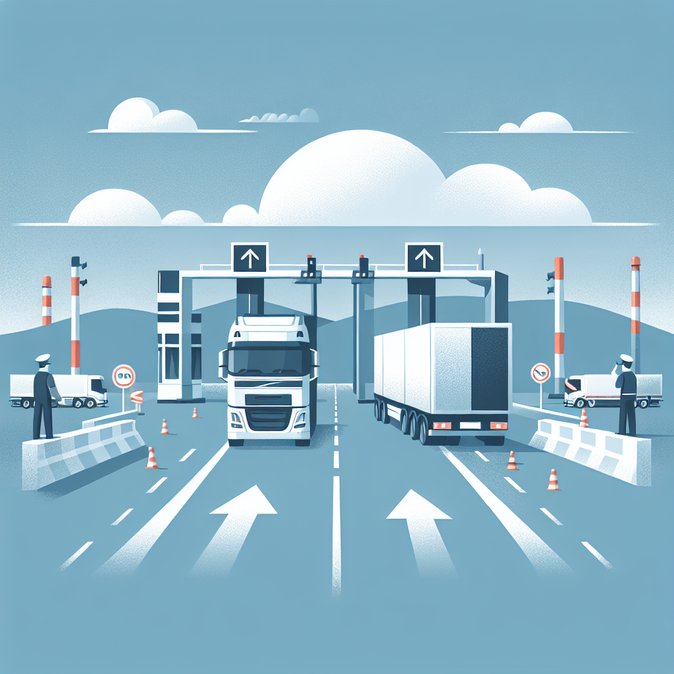
Austria’s customs authority confirmed late on 6 March that the grace period for the new Smart Border Austria system ends at midnight on 30 April 2026. From 1 May, every consignment moving under the New Computerised Transit System (NCTS Phase 5) must be pre-lodged digitally before the truck reaches the frontier. Vehicles without a valid Master Reference Number (MRN) will be turned back immediately; paper fallback procedures will cease.
The change affects more than 11,000 haulage companies that use Austria as a land bridge between Germany, Italy, Switzerland and the Western Balkans. Logistics groups are racing to integrate their transport-management software with the Smart Border API, which generates a QR code drivers can show at dedicated fast lanes. Authorities estimate the e-border will cut average dwell time at the Brenner Pass by 12 minutes per truck once fully adopted—equivalent to roughly 60 tonnes of CO₂ saved per day.
![Smart Border Austria: electronic pre-declaration becomes mandatory from 1 May]()
If your organisation needs extra support during this transition, VisaHQ can step in as a one-stop resource. Its Austria desk can secure electronic MRNs on your behalf, pre-validate commodity codes and even arrange Schengen visas for non-EU drivers—all through a single dashboard. Learn more at https://www.visahq.com/austria/
However, corporate mobility teams should note knock-on effects for accompanied company cars and time-critical sample shipments. If a vehicle also carries non-commercial goods—common when expatriate technicians transport specialised tools—those items must be listed in the same pre-declaration or risk seizure for tariff misclassification. Austrian customs has published an English-language field-by-field guide but warns that system stress-tests show a 3 % rejection rate due to incorrect HS codes.
Failure to comply will attract an on-the-spot penalty of up to €5,000 plus obligatory return to the departure country. Firms with just-in-time production schedules—automotive, life-science cold-chain, high-fashion—should schedule dry-runs well before the deadline, review Incoterms with suppliers and brief drivers on fallback parking areas that have Wi-Fi for last-minute data corrections.
The change affects more than 11,000 haulage companies that use Austria as a land bridge between Germany, Italy, Switzerland and the Western Balkans. Logistics groups are racing to integrate their transport-management software with the Smart Border API, which generates a QR code drivers can show at dedicated fast lanes. Authorities estimate the e-border will cut average dwell time at the Brenner Pass by 12 minutes per truck once fully adopted—equivalent to roughly 60 tonnes of CO₂ saved per day.
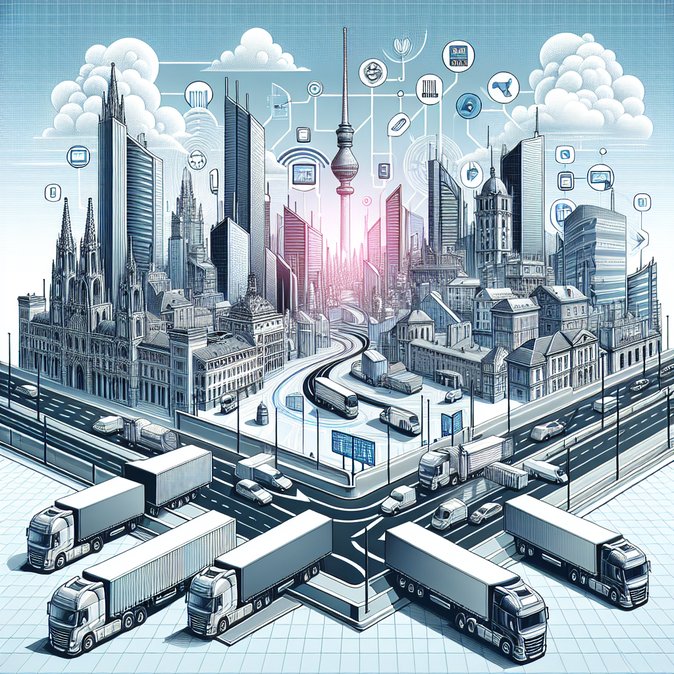
If your organisation needs extra support during this transition, VisaHQ can step in as a one-stop resource. Its Austria desk can secure electronic MRNs on your behalf, pre-validate commodity codes and even arrange Schengen visas for non-EU drivers—all through a single dashboard. Learn more at https://www.visahq.com/austria/
However, corporate mobility teams should note knock-on effects for accompanied company cars and time-critical sample shipments. If a vehicle also carries non-commercial goods—common when expatriate technicians transport specialised tools—those items must be listed in the same pre-declaration or risk seizure for tariff misclassification. Austrian customs has published an English-language field-by-field guide but warns that system stress-tests show a 3 % rejection rate due to incorrect HS codes.
Failure to comply will attract an on-the-spot penalty of up to €5,000 plus obligatory return to the departure country. Firms with just-in-time production schedules—automotive, life-science cold-chain, high-fashion—should schedule dry-runs well before the deadline, review Incoterms with suppliers and brief drivers on fallback parking areas that have Wi-Fi for last-minute data corrections.