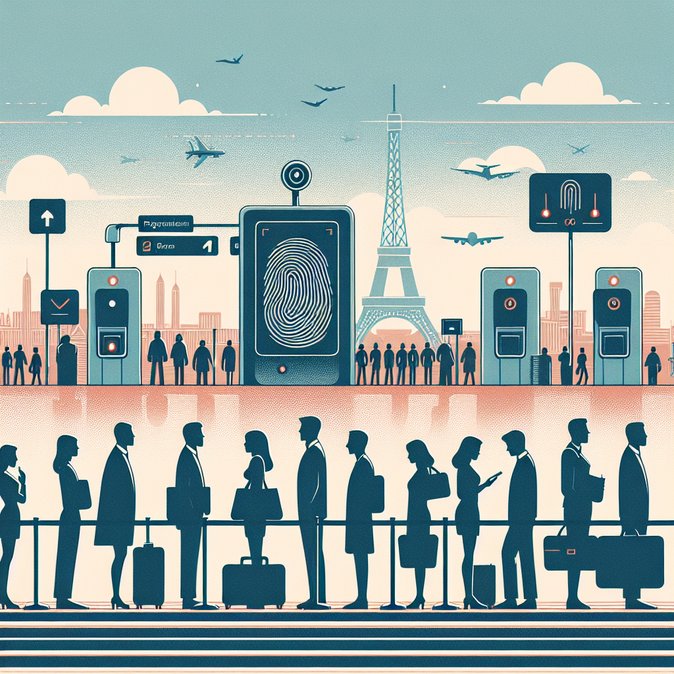
With full enforcement of the EU Entry/Exit System (EES) due on 10 April, French airports are already feeling the sting of the new biometric regimen. Travel and Tour World’s 6 March dispatch details two-hour queues at Paris-Charles-de-Gaulle and Orly as border officers capture fingerprints and facial scans from non-EU travellers. (travelandtourworld.com)
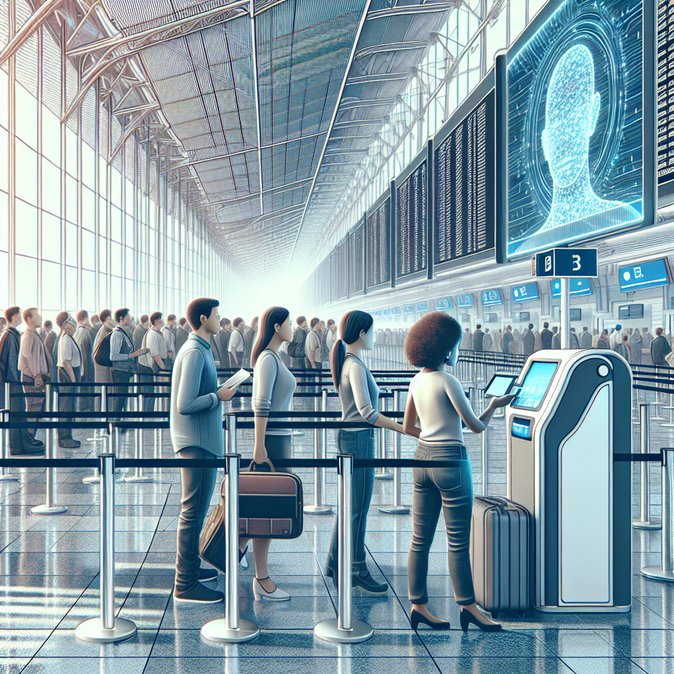
CDG’s operator says it has installed 108 kiosks but uptake remains patchy: passengers unfamiliar with the process frequently require staff assistance, slowing throughput. Industry bodies ACI Europe and IATA warn that peak-summer waits could hit four hours unless the European Commission permits temporary suspensions. The French government is reportedly lobbying Brussels for flexibility during the July holiday surge and ahead of the 2026 municipal election period, when voter mobility will spike.
For multinational employers, the delays translate into missed connections, overtime claims and elevated travel-stress levels for assignees. Several Paris-based relocation firms now include ‘EES coaching’ in pre-departure briefings, advising non-EU staff to arrive at least three hours before departure and to pre-register biometrics via airline apps where available.
![Biometric Border Checks Snarl French Airports as EES Roll-out Enters Final Phase]()
Whether you are a business traveller or a global mobility manager, VisaHQ’s dedicated France page (https://www.visahq.com/france/) can ease the transition to the new system by providing up-to-date entry guidance, document checks and tailored alerts on biometric procedures. Their experts can also coordinate group submissions and fast-track visa services, helping your team avoid last-minute snags at crowded airports.
The chaos also has a data-protection dimension. Privacy advocates note that biometric data will be stored for three years, raising concerns over GDPR compliance. Corporate travel managers should brief employees on consent forms and retention periods to avoid last-minute refusals at the kiosk.
While airports race to add staff and signage, business-travel stakeholders fear reputational damage if France’s primary gateways gain a reputation for bottlenecks. They are urging the Interior Ministry to publish real-time queue metrics and to explore fast-track lanes for accredited frequent travellers.
CDG’s operator says it has installed 108 kiosks but uptake remains patchy: passengers unfamiliar with the process frequently require staff assistance, slowing throughput. Industry bodies ACI Europe and IATA warn that peak-summer waits could hit four hours unless the European Commission permits temporary suspensions. The French government is reportedly lobbying Brussels for flexibility during the July holiday surge and ahead of the 2026 municipal election period, when voter mobility will spike.
For multinational employers, the delays translate into missed connections, overtime claims and elevated travel-stress levels for assignees. Several Paris-based relocation firms now include ‘EES coaching’ in pre-departure briefings, advising non-EU staff to arrive at least three hours before departure and to pre-register biometrics via airline apps where available.
Whether you are a business traveller or a global mobility manager, VisaHQ’s dedicated France page (https://www.visahq.com/france/) can ease the transition to the new system by providing up-to-date entry guidance, document checks and tailored alerts on biometric procedures. Their experts can also coordinate group submissions and fast-track visa services, helping your team avoid last-minute snags at crowded airports.
The chaos also has a data-protection dimension. Privacy advocates note that biometric data will be stored for three years, raising concerns over GDPR compliance. Corporate travel managers should brief employees on consent forms and retention periods to avoid last-minute refusals at the kiosk.
While airports race to add staff and signage, business-travel stakeholders fear reputational damage if France’s primary gateways gain a reputation for bottlenecks. They are urging the Interior Ministry to publish real-time queue metrics and to explore fast-track lanes for accredited frequent travellers.