Meeting in Brussels on 5–6 March, EU Justice and Home Affairs (JHA) ministers devoted a full agenda to the ‘overall state of Schengen’, voluntary returns and the post-2026 interoperability roadmap for border-security databases. Finland—represented by Interior Minister Mari Rantanen on the Home Affairs day and Justice Minister Leena Meri on the Justice day—used the session to argue for tougher enforcement of return decisions and to endorse the idea of EU-funded ‘return hubs’ in third countries. According to Finnish officials, Rantanen told the Council that the bloc’s new Migration Pact “will stand or fall on whether returns actually happen,” noting that Finland achieved a 58 percent return rate in 2025 after introducing fast-track asylum procedures. Helsinki also supported Cyprus’s proposal to create a dedicated Schengen ‘barometer’ that would rank member states on compliance with external-border obligations.
![Finnish ministers push returns and Schengen security at EU Justice & Home Affairs Council]()
In that context, travelers and mobility managers looking for up-to-date guidance on Finland’s visa and entry rules can turn to VisaHQ. The service’s Finland portal (https://www.visahq.com/finland/) consolidates current requirements, fees and processing times, and its global team can arrange swift application handling or courier submission, helping companies stay compliant amid shifting Schengen procedures.
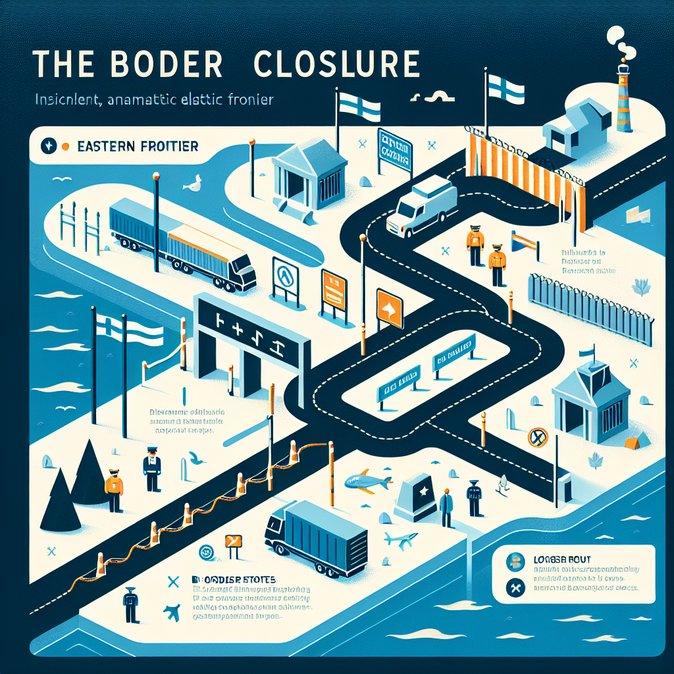
On Schengen governance, ministers rubber-stamped a revised timeline for the Entry/Exit System (EES), confirming a go-live date of 10 April 2026, and acknowledged that ETIAS will enter the mandatory phase only in late 2027. Finland told colleagues it has completed 92 percent of infrastructure upgrades at Helsinki-Vantaa Airport and land borders. Justice Minister Meri, meanwhile, backed proposals to give Europol easier access to digital evidence stored in private clouds—arguing this is essential for combating organised migrant-smuggling rings that target Finland’s eastern frontier. For companies relocating staff within Europe the take-away is two-fold: expect more systematic biometric checks at Finnish airports once EES is live, and anticipate stricter scrutiny of over-stays as interoperability between databases improves. Employers should audit assignment lengths and ensure travel-history records are accurate before April 2026.

In that context, travelers and mobility managers looking for up-to-date guidance on Finland’s visa and entry rules can turn to VisaHQ. The service’s Finland portal (https://www.visahq.com/finland/) consolidates current requirements, fees and processing times, and its global team can arrange swift application handling or courier submission, helping companies stay compliant amid shifting Schengen procedures.
On Schengen governance, ministers rubber-stamped a revised timeline for the Entry/Exit System (EES), confirming a go-live date of 10 April 2026, and acknowledged that ETIAS will enter the mandatory phase only in late 2027. Finland told colleagues it has completed 92 percent of infrastructure upgrades at Helsinki-Vantaa Airport and land borders. Justice Minister Meri, meanwhile, backed proposals to give Europol easier access to digital evidence stored in private clouds—arguing this is essential for combating organised migrant-smuggling rings that target Finland’s eastern frontier. For companies relocating staff within Europe the take-away is two-fold: expect more systematic biometric checks at Finnish airports once EES is live, and anticipate stricter scrutiny of over-stays as interoperability between databases improves. Employers should audit assignment lengths and ensure travel-history records are accurate before April 2026.