
Travellers reported significant delays at Munich, Frankfurt Main and Hamburg airports on 6 March as Germany expanded live testing of the EU’s new Entry/Exit System (EES). The EES replaces passport stamps with biometric registration for all non-EU nationals. During the 24-hour stress test, first-time visitors had to record fingerprints and facial images in dedicated kiosks before proceeding to immigration booths.
![Schengen Entry/Exit System trial causes queues at German airports and land borders]()
For travellers who want to minimise these queues, VisaHQ can step in: its Germany portal (https://www.visahq.com/germany/) tracks the latest EES implementation updates, offers personalised documentation checklists and can facilitate express visa and passport services, giving passengers and corporate mobility teams a smoother path through biometric registration.
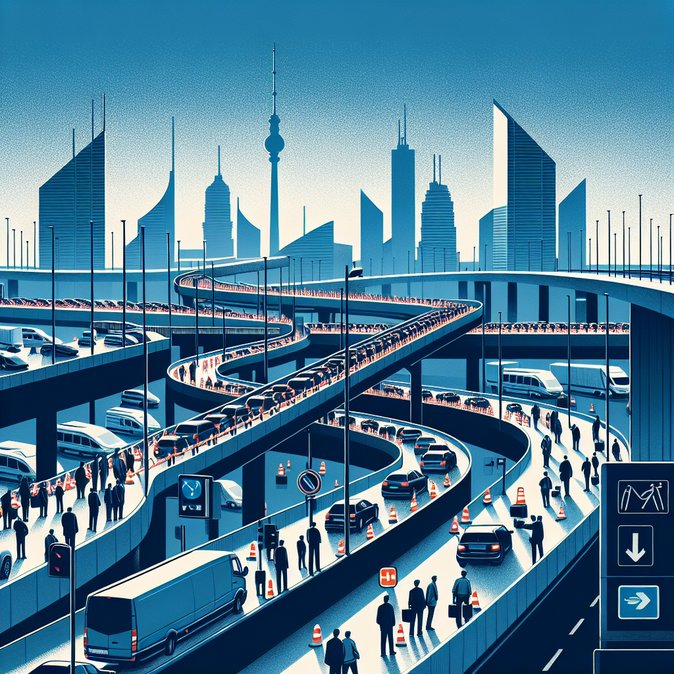
The aviation association ADV said processing times for third-country passengers doubled to an average of 28 minutes. At the busy A8 motorway crossing near Salzburg, the Bavarian border police reported ten-kilometre tailbacks after the biometric vans malfunctioned in early-morning snow. The federal police union warned that "without at least 1,000 extra officers and more self-service gates we will face Easter chaos." The Interior Ministry insisted the glitches were “expected teething problems” and that Germany remains on schedule for full EES go-live across the Schengen Area on 6 April. Airlines and coach operators countered that connection times and crew scheduling will need adjustment until the new workflow stabilises. For corporate mobility teams the message is clear: allow extra time for arriving assignees who have not yet created an EES profile, brief them on the kiosk procedure, and ensure biometrics are captured at the first port of entry—even if Germany is only a transit point to another Schengen destination.
For travellers who want to minimise these queues, VisaHQ can step in: its Germany portal (https://www.visahq.com/germany/) tracks the latest EES implementation updates, offers personalised documentation checklists and can facilitate express visa and passport services, giving passengers and corporate mobility teams a smoother path through biometric registration.
The aviation association ADV said processing times for third-country passengers doubled to an average of 28 minutes. At the busy A8 motorway crossing near Salzburg, the Bavarian border police reported ten-kilometre tailbacks after the biometric vans malfunctioned in early-morning snow. The federal police union warned that "without at least 1,000 extra officers and more self-service gates we will face Easter chaos." The Interior Ministry insisted the glitches were “expected teething problems” and that Germany remains on schedule for full EES go-live across the Schengen Area on 6 April. Airlines and coach operators countered that connection times and crew scheduling will need adjustment until the new workflow stabilises. For corporate mobility teams the message is clear: allow extra time for arriving assignees who have not yet created an EES profile, brief them on the kiosk procedure, and ensure biometrics are captured at the first port of entry—even if Germany is only a transit point to another Schengen destination.