Speaking to the newspaper Kurier on 6 March, Foreign Minister Beate Meinl-Reisinger and ministry spokesman Clemens Mantl cautioned that securing airport slots in Muscat, Riyadh and Abu Dhabi is becoming increasingly difficult as more European countries scramble to fly citizens home from the Gulf. The comments came just hours before the fourth Austrian charter, with 240 passengers, touched down in Schwechat.
While 1,100 Austrians have already been repatriated, another 1,760 remain registered in the wider crisis region. Competition for take-off and landing windows—combined with crew-duty limits and air-space detours—means that each rotation must be negotiated individually, often at premium cost. The ministry also flagged a new challenge: “no-shows” by travellers who sign up but fail to reach the airport, leaving empty seats that could have been allocated to others.
If your staff will need fresh travel documents once schedules stabilise, VisaHQ can simplify the process. The platform’s Austrian portal (https://www.visahq.com/austria/) provides up-to-date entry rules, submits visa applications on clients’ behalf and offers courier support, helping employers and individuals stay compliant even as regulations shift.
![‘Slots Are Running Out’: Vienna Warns of Bottlenecks for Further Repatriation Flights]()
Under current practice the state covers the charter in advance and may later recover part of the expense from passengers. Officials refused to rule out introducing an upfront self-payment if the crisis endures, though they stressed that no retroactive bills will be sent to those already evacuated.
For employers the message is clear: confirm staff manifests early, monitor arrival at the departure point and build in contingency budgets. Travel managers should likewise audit insurance policies to see whether war-risk premiums or force-majeure clauses shift costs back to the company.
The ministry is in talks with EU partners to pool spare capacity and obtain funding under the Union’s Civil Protection Mechanism, potentially reducing per-seat costs. However, with commercial services still capped at roughly a quarter of normal frequency in Dubai, demand for government-organised air-lifts is expected to stay high.
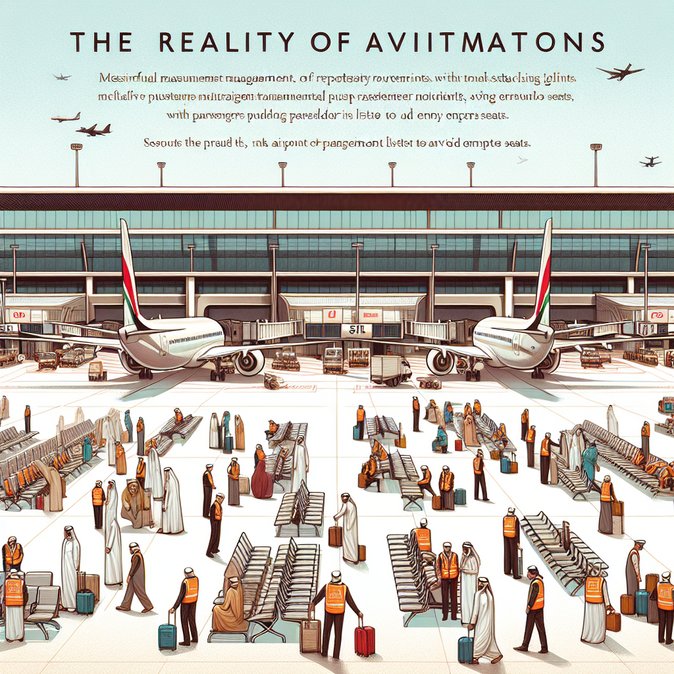
While 1,100 Austrians have already been repatriated, another 1,760 remain registered in the wider crisis region. Competition for take-off and landing windows—combined with crew-duty limits and air-space detours—means that each rotation must be negotiated individually, often at premium cost. The ministry also flagged a new challenge: “no-shows” by travellers who sign up but fail to reach the airport, leaving empty seats that could have been allocated to others.
If your staff will need fresh travel documents once schedules stabilise, VisaHQ can simplify the process. The platform’s Austrian portal (https://www.visahq.com/austria/) provides up-to-date entry rules, submits visa applications on clients’ behalf and offers courier support, helping employers and individuals stay compliant even as regulations shift.
Under current practice the state covers the charter in advance and may later recover part of the expense from passengers. Officials refused to rule out introducing an upfront self-payment if the crisis endures, though they stressed that no retroactive bills will be sent to those already evacuated.
For employers the message is clear: confirm staff manifests early, monitor arrival at the departure point and build in contingency budgets. Travel managers should likewise audit insurance policies to see whether war-risk premiums or force-majeure clauses shift costs back to the company.
The ministry is in talks with EU partners to pool spare capacity and obtain funding under the Union’s Civil Protection Mechanism, potentially reducing per-seat costs. However, with commercial services still capped at roughly a quarter of normal frequency in Dubai, demand for government-organised air-lifts is expected to stay high.