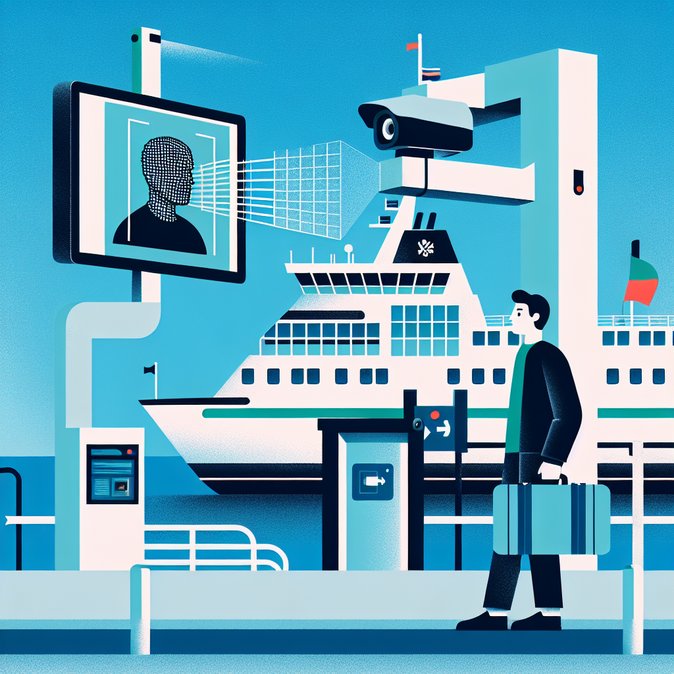
The Irish Times has revealed that UK immigration officers are running live facial-recognition scans on passengers disembarking the Dublin–Holyhead ferry, following a six-day pilot last month that captured more than 7,500 faces and led to one arrest. Irish officials were informed in advance, Justice Minister Jim O’Callaghan told the Dáil, citing ‘extensive cooperation’ under the Common Travel Area.(irishtimes.com)
Civil-liberties advocates warn that the practice amounts to mass surveillance of innocent travellers. The Irish Council for Civil Liberties points to an 80 % false-match rate recorded in previous UK police deployments and fears discriminatory impact on ethnic minorities. Welsh MP Llinos Medi has also queried the proportionality of a system that sweeps every traveller rather than targeting intelligence leads.
![Facial-Recognition Trial at Holyhead Sees Irish Ferry Passengers Scanned—Privacy Groups Alarmed]()
Travellers who want to stay ahead of such rapidly changing border-control practices can use VisaHQ’s online tools to check real-time entry requirements, receive step-by-step visa assistance and set up alerts for policy updates affecting Ireland and the UK. The service, available at https://www.visahq.com/ireland/ is particularly useful for companies moving staff between the two countries, helping them ensure full compliance and minimise disruptions triggered by new biometric procedures.
While the UK stresses the technology’s value in identifying immigration offenders, the episode revives debate over data protection within the Common Travel Area and whether Irish citizens crossing the land and sea borders can reasonably expect biometric processing. The Garda Síochána is set to gain its own, though more limited, facial-recognition powers later this year—heightening scrutiny of safeguards on both sides of the Irish Sea.
For corporate travel managers the immediate implication is the possibility of longer disembarkation times and the need to brief staff about biometric screening. Employers moving workers between Irish and UK sites should update privacy notices and ensure employees understand their rights to request information under UK GDPR.
Civil-liberties advocates warn that the practice amounts to mass surveillance of innocent travellers. The Irish Council for Civil Liberties points to an 80 % false-match rate recorded in previous UK police deployments and fears discriminatory impact on ethnic minorities. Welsh MP Llinos Medi has also queried the proportionality of a system that sweeps every traveller rather than targeting intelligence leads.

Travellers who want to stay ahead of such rapidly changing border-control practices can use VisaHQ’s online tools to check real-time entry requirements, receive step-by-step visa assistance and set up alerts for policy updates affecting Ireland and the UK. The service, available at https://www.visahq.com/ireland/ is particularly useful for companies moving staff between the two countries, helping them ensure full compliance and minimise disruptions triggered by new biometric procedures.
While the UK stresses the technology’s value in identifying immigration offenders, the episode revives debate over data protection within the Common Travel Area and whether Irish citizens crossing the land and sea borders can reasonably expect biometric processing. The Garda Síochána is set to gain its own, though more limited, facial-recognition powers later this year—heightening scrutiny of safeguards on both sides of the Irish Sea.
For corporate travel managers the immediate implication is the possibility of longer disembarkation times and the need to brief staff about biometric screening. Employers moving workers between Irish and UK sites should update privacy notices and ensure employees understand their rights to request information under UK GDPR.