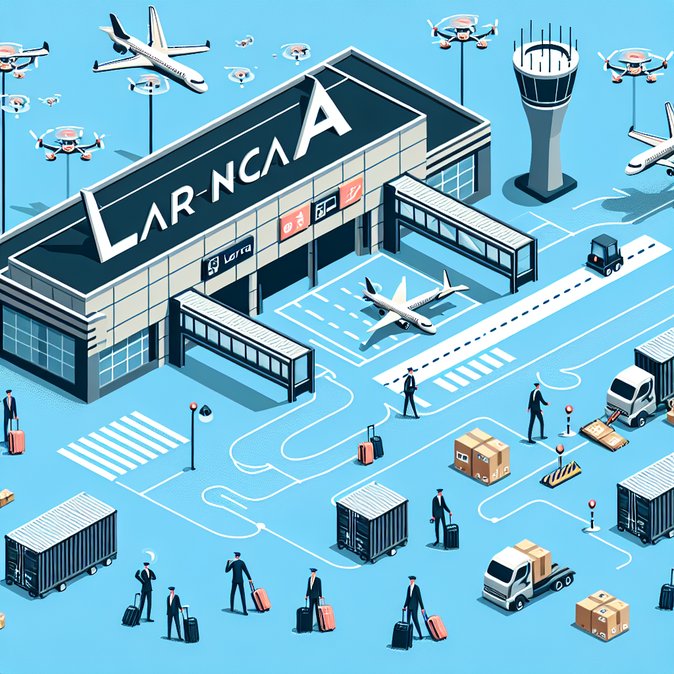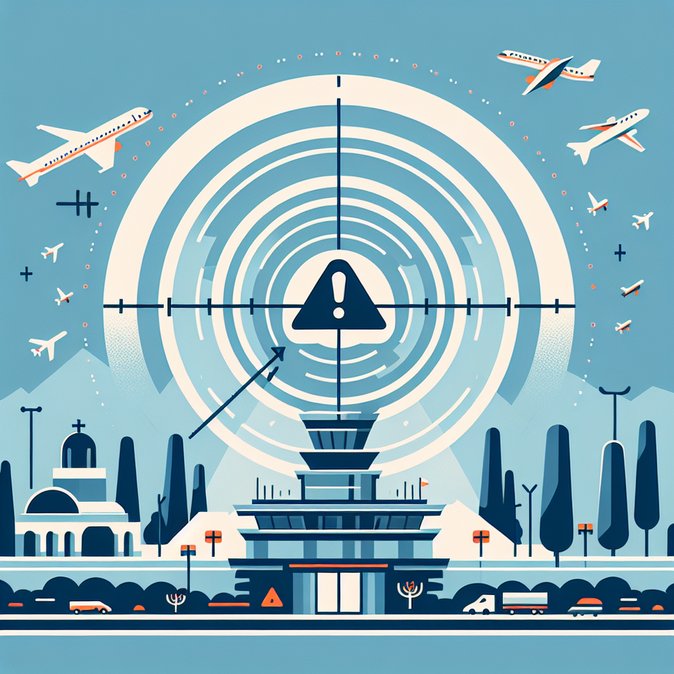
Just hours after the turmoil at Larnaca, Cyprus’s secondary hub—Paphos International Airport—was evacuated on the morning of 3 March 2026 when air-traffic controllers picked up an unidentified radar signature south-west of the field. Security forces cleared the terminal in minutes, grounding departing aircraft and diverting in-bounds to Larnaca, some 140 km away. Passengers described scenes of confusion as alarms sounded and armed police ushered travellers to assembly points in the car park.
![Paphos Airport Evacuated After Radar Alert; Flights Diverted to Larnaca]()
For travellers scrambling to adjust itineraries amid such sudden disruptions, VisaHQ can relieve at least one layer of stress. Its Cyprus portal (https://www.visahq.com/cyprus/) offers rapid visa checks, e-visa processing, and even passport-renewal assistance—tools that help passengers, travel managers, and expatriate workers keep documentation in order while flight plans remain in flux.
The scare came less than 24 hours after a drone strike hit the nearby British base at RAF Akrotiri—an incident that has kept the island on heightened alert. Aviation.Direct reports that fighter jets were scrambled once again when sirens sounded at Akrotiri shortly after noon, fuelling speculation of a link between military activity and the Paphos radar contact. Authorities have neither confirmed nor denied a connection, but the National Guard has increased coastal surveillance and airport operator Hermes has doubled security screening at both international airports. Although no injuries occurred, delays rippled across airline schedules. Low-cost carriers such as Ryanair and easyJet—both heavy users of Paphos—shifted passengers onto later services or bused them to Larnaca for re-routing. For companies running incentive trips or offshore-energy rotations, the episode reinforced the fragility of Cyprus’s aviation infrastructure during regional crises. Mobility teams should brief travellers on possible terminal evacuations and longer dwell times at security. Insurance policies covering ‘force-majeure’ delays are now being scrutinised, while several corporates have activated traveler-tracking tools to confirm staff safety.

For travellers scrambling to adjust itineraries amid such sudden disruptions, VisaHQ can relieve at least one layer of stress. Its Cyprus portal (https://www.visahq.com/cyprus/) offers rapid visa checks, e-visa processing, and even passport-renewal assistance—tools that help passengers, travel managers, and expatriate workers keep documentation in order while flight plans remain in flux.
The scare came less than 24 hours after a drone strike hit the nearby British base at RAF Akrotiri—an incident that has kept the island on heightened alert. Aviation.Direct reports that fighter jets were scrambled once again when sirens sounded at Akrotiri shortly after noon, fuelling speculation of a link between military activity and the Paphos radar contact. Authorities have neither confirmed nor denied a connection, but the National Guard has increased coastal surveillance and airport operator Hermes has doubled security screening at both international airports. Although no injuries occurred, delays rippled across airline schedules. Low-cost carriers such as Ryanair and easyJet—both heavy users of Paphos—shifted passengers onto later services or bused them to Larnaca for re-routing. For companies running incentive trips or offshore-energy rotations, the episode reinforced the fragility of Cyprus’s aviation infrastructure during regional crises. Mobility teams should brief travellers on possible terminal evacuations and longer dwell times at security. Insurance policies covering ‘force-majeure’ delays are now being scrutinised, while several corporates have activated traveler-tracking tools to confirm staff safety.