The Interior Ministry confirmed on 2 March 2026 that temporary controls at the land border with Slovenia—first introduced in October 2023—will remain in force until at least 18 June 2026. The notification, Italy’s 484th Schengen suspension since the free-travel zone was created, cites an elevated terror threat linked to Middle-East tensions and the logistical complexity of the Winter Paralympics, which begin on 6 March. What travellers face.
![Italy Extends Slovenia Border Checks through 18 June 2026 Ahead of Paralympics]()
Travellers looking for clarity on which identity or visa documents they might be asked to show can turn to VisaHQ, which tracks the latest Italian border policies and offers fast, online processing of visas, permits and future ETIAS waivers; visit https://www.visahq.com/italy/ for assistance.
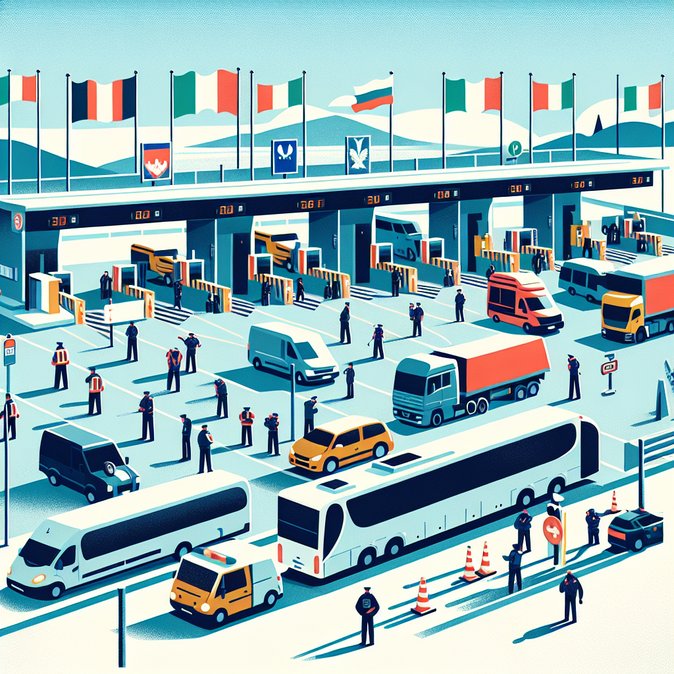
All road and rail crossings from Slovenia into Friuli-Venezia Giulia are subject to spot ID checks; coach operators must submit passenger manifests 24 hours in advance, and freight hauliers report waiting times of up to 40 minutes at the Fernetti crossing near Trieste. The ministry has deployed an additional 124 border-police officers to the region, according to regional security councillor Pierpaolo Roberti. Schengen rules allow controls only as a last resort and for limited periods, but several EU states have repeatedly rolled them over. Business groups fear a creeping normalisation that undermines the single market. Confindustria Udine estimates that delays have added €6 million in annual costs for just-in-time manufacturers shipping components across the border. Paralympics angle. Organisers argued that predictable border formalities are essential for the secure movement of athletes, support staff and 1.4 million expected spectators. A green-lane scheme for accredited Paralympic vehicles will operate between 4 March and 20 March, but coaches carrying fans must still stop for inspection. Looking ahead. The Commission will review Italy’s justification in mid-April. If no end-date is set, Brussels could launch infringement proceedings, although precedents suggest a political compromise is more likely. Multinationals should warn assignees to carry passports even on routine business trips from Ljubljana or Zagreb to northern Italy and factor buffer time into supply-chain schedules.
Travellers looking for clarity on which identity or visa documents they might be asked to show can turn to VisaHQ, which tracks the latest Italian border policies and offers fast, online processing of visas, permits and future ETIAS waivers; visit https://www.visahq.com/italy/ for assistance.
All road and rail crossings from Slovenia into Friuli-Venezia Giulia are subject to spot ID checks; coach operators must submit passenger manifests 24 hours in advance, and freight hauliers report waiting times of up to 40 minutes at the Fernetti crossing near Trieste. The ministry has deployed an additional 124 border-police officers to the region, according to regional security councillor Pierpaolo Roberti. Schengen rules allow controls only as a last resort and for limited periods, but several EU states have repeatedly rolled them over. Business groups fear a creeping normalisation that undermines the single market. Confindustria Udine estimates that delays have added €6 million in annual costs for just-in-time manufacturers shipping components across the border. Paralympics angle. Organisers argued that predictable border formalities are essential for the secure movement of athletes, support staff and 1.4 million expected spectators. A green-lane scheme for accredited Paralympic vehicles will operate between 4 March and 20 March, but coaches carrying fans must still stop for inspection. Looking ahead. The Commission will review Italy’s justification in mid-April. If no end-date is set, Brussels could launch infringement proceedings, although precedents suggest a political compromise is more likely. Multinationals should warn assignees to carry passports even on routine business trips from Ljubljana or Zagreb to northern Italy and factor buffer time into supply-chain schedules.