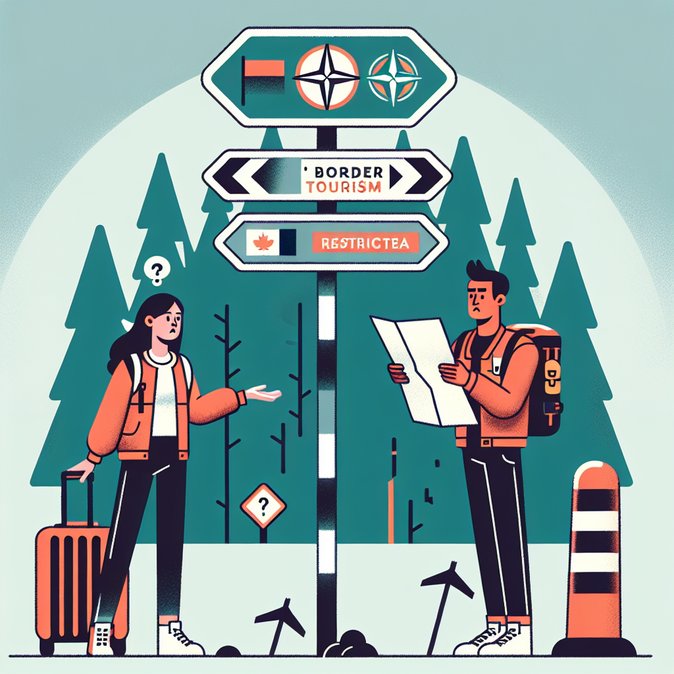
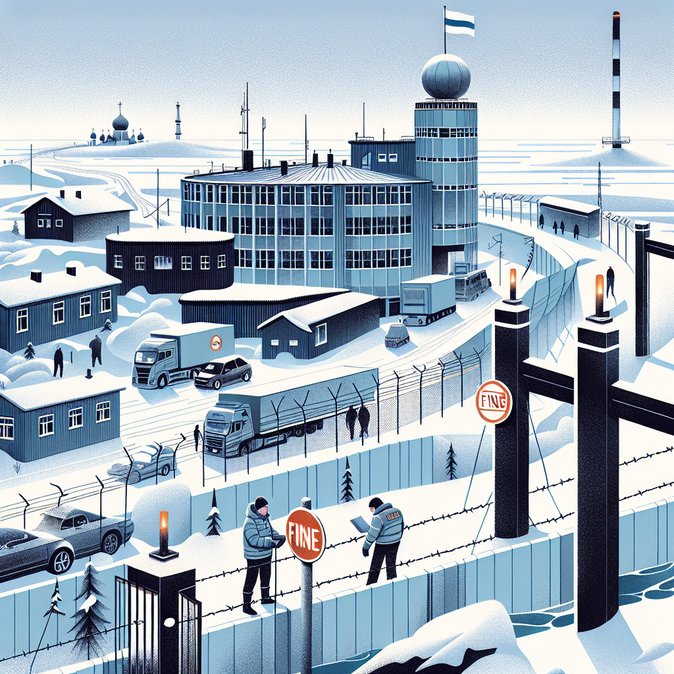
The Finnish Border Guard has reiterated that the eastern frontier is no place for holiday selfies after a pair of German hikers were fined €500 each for wandering into the restricted border zone near Salla, Lapland, on 2 March 2026. According to Lieutenant-Colonel Mikko Kauppila, the tourists parked at a popular wilderness trailhead but ignored warning signs indicating that the last two kilometres of the path lie inside a protected military border strip that requires a special permit. Patrol officers used drones to intercept the pair barely 300 metres from the actual Russia line. They were escorted back, issued on-the-spot fines and told to delete geotagged photos.
![€500 Fines for Border-Zone Selfies: Tourists Learn Hard Lesson on Finland–Russia Frontier]()
If you’re unsure about Finland’s special-permit areas or any other travel documentation, VisaHQ can help smooth the way. Their portal (https://www.visahq.com/finland/) offers real-time guidance on visas, border-zone passes and other entry requirements, so travellers avoid costly missteps long before their boots hit the Lapland snow.
The incident is part of a broader spike in so-called “border tourism” since Finland joined NATO in 2023. Travel bloggers routinely market the sparsely populated region as the Alliance’s new north-eastern flank, prompting curious visitors to seek out vantage points of Russia. The Border Guard recorded ten similar violations in the first two months of 2026, compared with a yearly average of four before accession. Officials warn that unauthorised entry not only breaches Finland’s Border Zone Act but can also trigger international incidents if individuals cross—or are perceived to cross—the actual boundary. Signage has been upgraded in Finnish, Swedish, English and German, yet confusion persists because Schengen rules allow visa-free movement elsewhere in Lapland. Tour operators have been asked to brief clients thoroughly, and car-rental firms in Rovaniemi now include a border-zone map in glove compartments. Businesses whose incentive-travel itineraries feature ‘NATO border experiences’ should secure group permits well in advance or risk fines and reputational damage. Future technological solutions are being studied, including geo-fencing alerts on popular hiking apps.
If you’re unsure about Finland’s special-permit areas or any other travel documentation, VisaHQ can help smooth the way. Their portal (https://www.visahq.com/finland/) offers real-time guidance on visas, border-zone passes and other entry requirements, so travellers avoid costly missteps long before their boots hit the Lapland snow.
The incident is part of a broader spike in so-called “border tourism” since Finland joined NATO in 2023. Travel bloggers routinely market the sparsely populated region as the Alliance’s new north-eastern flank, prompting curious visitors to seek out vantage points of Russia. The Border Guard recorded ten similar violations in the first two months of 2026, compared with a yearly average of four before accession. Officials warn that unauthorised entry not only breaches Finland’s Border Zone Act but can also trigger international incidents if individuals cross—or are perceived to cross—the actual boundary. Signage has been upgraded in Finnish, Swedish, English and German, yet confusion persists because Schengen rules allow visa-free movement elsewhere in Lapland. Tour operators have been asked to brief clients thoroughly, and car-rental firms in Rovaniemi now include a border-zone map in glove compartments. Businesses whose incentive-travel itineraries feature ‘NATO border experiences’ should secure group permits well in advance or risk fines and reputational damage. Future technological solutions are being studied, including geo-fencing alerts on popular hiking apps.