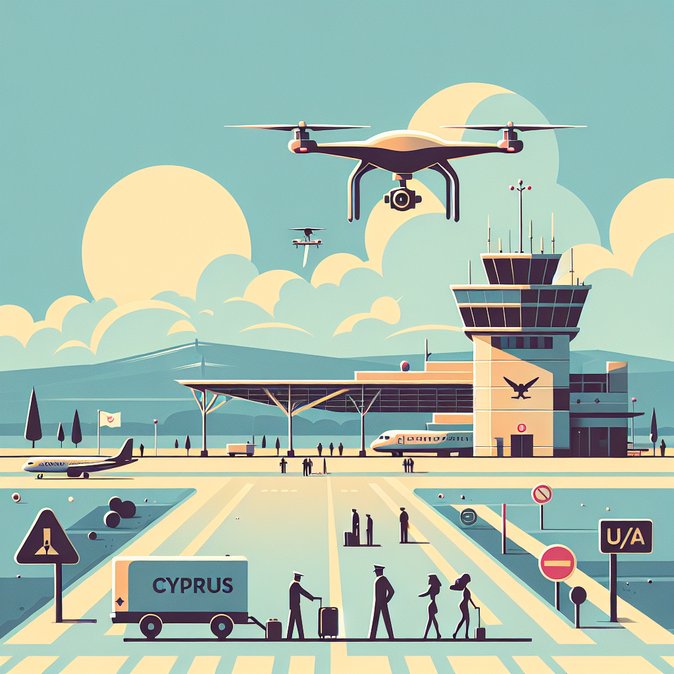
At 13:17 local time on 2 March, the US Embassy in Nicosia issued a security alert cautioning American citizens about potential missile and drone activity, particularly around Paphos and military installations. The message advised US nationals to enrol in the Smart Traveler Enrollment Program (STEP), avoid military facilities, and know shelter-in-place procedures.
![US Embassy Warns Americans in Cyprus of Possible Missile and Drone Threats]()
For travelers navigating these evolving conditions, VisaHQ can help streamline the bureaucracy. Its dedicated Cyprus page (https://www.visahq.com/cyprus/) combines the latest visa requirements with embassy security notices, letting individuals and corporate mobility teams receive tailored alerts and manage documentation in one place before setting foot on the island.
While travel advisories for Cyprus typically sit at Level 1 (“Exercise Normal Precautions”), Monday’s bulletin stopped just short of elevating the country to Level 3. However, it signalled growing concern that the island’s strategic assets could become collateral in the Iran–US/Israel confrontation. Corporate security teams rushed to push notifications to registered expatriates and short-term assignees. Practically, the alert means US government contractors must now file mission-critical justifications for any travel to the western district of Paphos. Private-sector firms are likely to follow suit, introducing additional layers of approval for non-essential trips and requiring staff to carry hard-copy evacuation plans. The embassy also reminded travellers that falling debris from intercepted drones can pose lethal hazards even when no direct hit occurs—an important nuance for companies whose duty-of-care policies focus predominantly on kinetic strikes rather than secondary effects.

For travelers navigating these evolving conditions, VisaHQ can help streamline the bureaucracy. Its dedicated Cyprus page (https://www.visahq.com/cyprus/) combines the latest visa requirements with embassy security notices, letting individuals and corporate mobility teams receive tailored alerts and manage documentation in one place before setting foot on the island.
While travel advisories for Cyprus typically sit at Level 1 (“Exercise Normal Precautions”), Monday’s bulletin stopped just short of elevating the country to Level 3. However, it signalled growing concern that the island’s strategic assets could become collateral in the Iran–US/Israel confrontation. Corporate security teams rushed to push notifications to registered expatriates and short-term assignees. Practically, the alert means US government contractors must now file mission-critical justifications for any travel to the western district of Paphos. Private-sector firms are likely to follow suit, introducing additional layers of approval for non-essential trips and requiring staff to carry hard-copy evacuation plans. The embassy also reminded travellers that falling debris from intercepted drones can pose lethal hazards even when no direct hit occurs—an important nuance for companies whose duty-of-care policies focus predominantly on kinetic strikes rather than secondary effects.