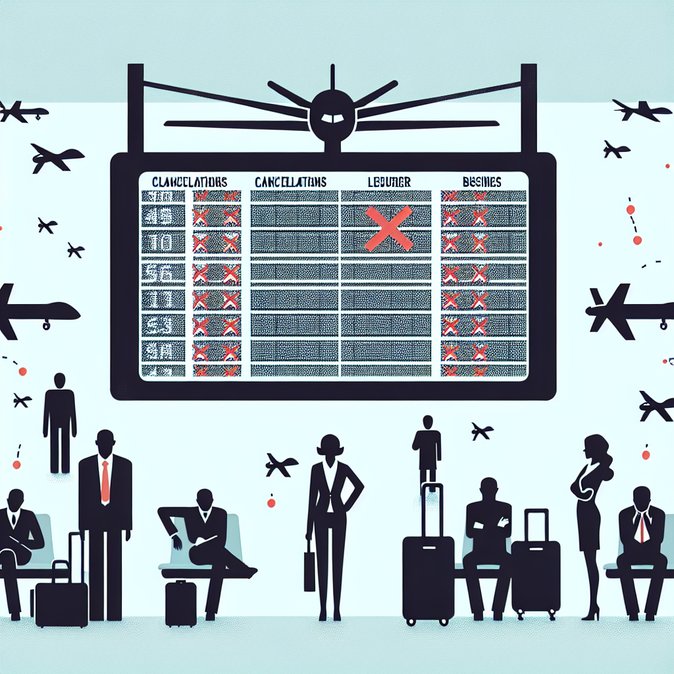
A total of 60 scheduled flights—42 at Larnaca and 18 at Paphos—were scrubbed on 2 March, according to data released by operator Hermes Airports. The cancellations follow Tehran’s retaliatory strikes across the region and the drone attack on RAF Akrotiri earlier the same day. Airlines affected range from regional carriers such as Aegean and Tus Airways to long-haul operators Emirates, Qatar Airways and British Airways. Authorities urged passengers to contact airlines before proceeding to the airport, but crowds still gathered at Larnaca’s departures hall, where queues for re-booking and vouchers stretched for nearly 200 metres.
![Sixty Flights Cancelled at Cyprus Airports as Middle-East Conflict Spills into Aviation Schedules]()
Travellers suddenly needing to reroute through alternate hubs—or secure emergency visas for onward journeys—can simplify the paperwork through VisaHQ’s dedicated Cyprus portal (https://www.visahq.com/cyprus/). The service provides rapid e-visa processing, document couriering and real-time status updates, helping both individual flyers and corporate travel desks keep mobility plans on track amid unexpected flight disruptions.
For corporate mobility managers, the hit was immediate: consultants unable to reach Nicosia for quarterly audits, tech teams stranded en-route to an installation in Tel Aviv, and perishable-goods shippers forced to find refrigerated warehousing. Under EU261, most cancellations were deemed “extraordinary circumstances,” meaning limited compensation, but companies can still claim care obligations (meals, hotels) on behalf of employees. The cancellations also expose Cyprus’ dependence on air connectivity. With only two commercial airports, simultaneous disruptions create a single point of failure for the island’s fast-growing fintech and head-office relocation sector, which markets Cyprus as a low-tax, EU-based springboard into MENA.

Travellers suddenly needing to reroute through alternate hubs—or secure emergency visas for onward journeys—can simplify the paperwork through VisaHQ’s dedicated Cyprus portal (https://www.visahq.com/cyprus/). The service provides rapid e-visa processing, document couriering and real-time status updates, helping both individual flyers and corporate travel desks keep mobility plans on track amid unexpected flight disruptions.
For corporate mobility managers, the hit was immediate: consultants unable to reach Nicosia for quarterly audits, tech teams stranded en-route to an installation in Tel Aviv, and perishable-goods shippers forced to find refrigerated warehousing. Under EU261, most cancellations were deemed “extraordinary circumstances,” meaning limited compensation, but companies can still claim care obligations (meals, hotels) on behalf of employees. The cancellations also expose Cyprus’ dependence on air connectivity. With only two commercial airports, simultaneous disruptions create a single point of failure for the island’s fast-growing fintech and head-office relocation sector, which markets Cyprus as a low-tax, EU-based springboard into MENA.