Hours after coordinated U.S. and Israeli missile strikes inside Iran, aviation authorities in at least eight Middle-Eastern countries—Iran, Iraq, Israel, Syria, Qatar, UAE, Kuwait and Bahrain—closed their airspace, triggering a cascade of global flight cancellations and diversions. By midday March 1, flight-data firm Cirium recorded more than 3,400 cancellations, with a further 19,000 delays rippling across world schedules.
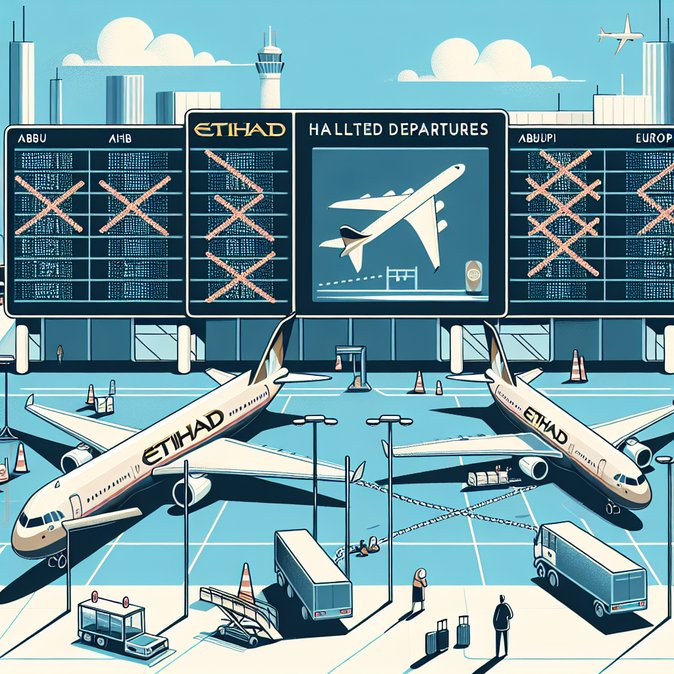
Gulf mega-hubs Dubai, Abu Dhabi and Doha went dark, forcing long-haul carriers to backtrack to Europe or Asia. Emirates and Qatar Airways each cancelled more than one-third of scheduled operations; Etihad halted flights entirely. U.S. airlines were also hit: Delta extended its New York–Tel Aviv suspension, American parked its Philadelphia–Doha service, and cargo specialist Atlas Air diverted military charters bound for Kuwait City to Sigonella, Italy.
The U.K. Foreign Office has begun contingency planning to evacuate 76,000 of its citizens from the Gulf, underscoring the severity of the shutdown. No U.S. evacuation order has been issued, but the State Department reiterated Worldwide Caution guidance and advised travellers to enroll in STEP.
![Middle-East Airspace Shutdown Strands Hundreds of Thousands, Snarls U.S. Itineraries]()
Amid the turmoil, travelers who suddenly require emergency visas, transit permits, or passport renewals can turn to VisaHQ’s online platform (https://www.visahq.com/united-states/). The service operates around the clock, expediting documentation and offering guidance that helps stranded passengers secure the paperwork needed to exit holding countries or re-enter the United States once flights resume.
Corporate mobility teams face immediate challenges—employees stuck in transit zones, per-diem overruns, and looming visa-validity issues if travellers overstay in Schengen or Turkish airports. Risk managers should audit traveller locations, arrange hotel guarantees and explore surface transport from Jordan or Saudi Arabia once borders reopen.
Given the fluid security environment, airlines have not provided firm resumption dates. Industry experts liken the disruption to the 2020 COVID border closures, warning that re-balancing aircraft and crew rosters could take a week even if airspace reopens quickly.
Gulf mega-hubs Dubai, Abu Dhabi and Doha went dark, forcing long-haul carriers to backtrack to Europe or Asia. Emirates and Qatar Airways each cancelled more than one-third of scheduled operations; Etihad halted flights entirely. U.S. airlines were also hit: Delta extended its New York–Tel Aviv suspension, American parked its Philadelphia–Doha service, and cargo specialist Atlas Air diverted military charters bound for Kuwait City to Sigonella, Italy.
The U.K. Foreign Office has begun contingency planning to evacuate 76,000 of its citizens from the Gulf, underscoring the severity of the shutdown. No U.S. evacuation order has been issued, but the State Department reiterated Worldwide Caution guidance and advised travellers to enroll in STEP.

Amid the turmoil, travelers who suddenly require emergency visas, transit permits, or passport renewals can turn to VisaHQ’s online platform (https://www.visahq.com/united-states/). The service operates around the clock, expediting documentation and offering guidance that helps stranded passengers secure the paperwork needed to exit holding countries or re-enter the United States once flights resume.
Corporate mobility teams face immediate challenges—employees stuck in transit zones, per-diem overruns, and looming visa-validity issues if travellers overstay in Schengen or Turkish airports. Risk managers should audit traveller locations, arrange hotel guarantees and explore surface transport from Jordan or Saudi Arabia once borders reopen.
Given the fluid security environment, airlines have not provided firm resumption dates. Industry experts liken the disruption to the 2020 COVID border closures, warning that re-balancing aircraft and crew rosters could take a week even if airspace reopens quickly.