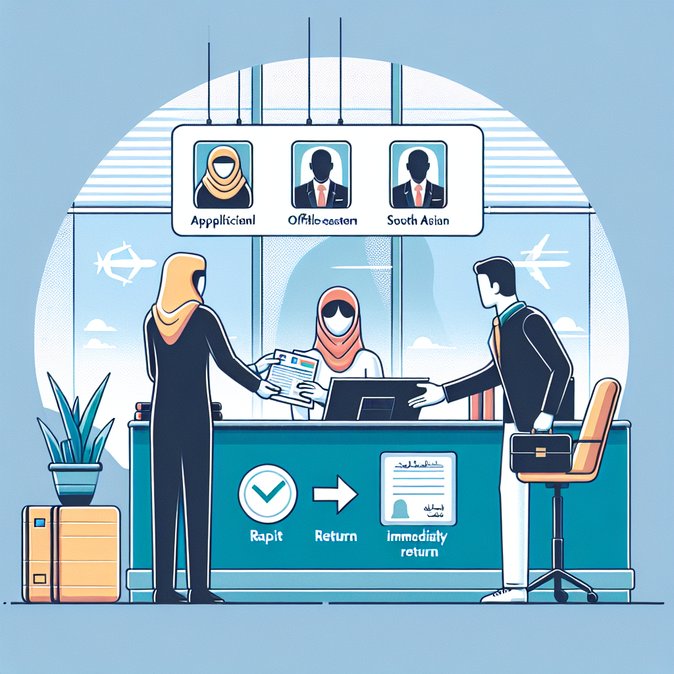
The French Office for the Protection of Refugees and Stateless Persons (Ofpra) has quietly introduced one of the most practical overhauls of its filing requirements in years. As of 1 March 2026, asylum-seekers are no longer required to surrender their original identity documents when they submit an application. Instead, they may file high-quality copies and keep their passports, birth certificates and family registers until the day of interview. Originals are inspected during the protection interview and handed back immediately afterward, closing a loophole that often left applicants without any proof of identity for months. Until now, handing over originals had been standard practice. Human-rights groups argued the rule exposed applicants to everyday risks—being unable to open a bank account, rent accommodation or prove identity to police—while Ofpra warehouses struggled with tens of thousands of sensitive documents.
By pivoting to a “copies-first” model, the agency expects to cut storage costs and accelerate case-handling, particularly for the estimated 45 % of claims that require additional document verification.
Companies and individuals navigating these revised document procedures may also find value in third-party guidance. VisaHQ, a leading visa and passport solutions provider, offers up-to-date advisory services for France and can coordinate document handling so applicants, employers and sponsoring NGOs remain compliant throughout the asylum or mobility process. Learn more at https://www.visahq.com/france/
Practically, the change means HR teams sponsoring humanitarian transferees, and NGOs arranging temporary work permits, can keep staff mobile. Holders of valid passports may continue to travel within the Schengen Area (subject to border-check reinstatements) and sit professional exams that previously required originals. Corporate mobility managers should, however, remind beneficiaries that travel to their country of origin remains forbidden under refugee-status rules.
![France streamlines asylum document rules from 1 March 2026]()
Law firms predict the reform will also reduce litigation. Dozens of appeals each year involve misplaced originals; the new policy confines Ofpra’s responsibility to a single appointment, lowering the risk of administrative fault.
Observers nonetheless warn that the success of the measure hinges on adequate staffing: interviews will now include on-the-spot forensic checks of documents, requiring additional training and equipment.
For businesses, the message is clear: asylum procedures are inching toward digital, applicant-friendly workflows. Organisations that support refugee hiring programmes should update their onboarding checklists and anticipate swifter access to employee documents.
The reform also signals political will—long demanded by industry—to modernise France’s wider immigration administration, ahead of EU-wide digital travel authorisations due in late 2026.
By pivoting to a “copies-first” model, the agency expects to cut storage costs and accelerate case-handling, particularly for the estimated 45 % of claims that require additional document verification.
Companies and individuals navigating these revised document procedures may also find value in third-party guidance. VisaHQ, a leading visa and passport solutions provider, offers up-to-date advisory services for France and can coordinate document handling so applicants, employers and sponsoring NGOs remain compliant throughout the asylum or mobility process. Learn more at https://www.visahq.com/france/
Practically, the change means HR teams sponsoring humanitarian transferees, and NGOs arranging temporary work permits, can keep staff mobile. Holders of valid passports may continue to travel within the Schengen Area (subject to border-check reinstatements) and sit professional exams that previously required originals. Corporate mobility managers should, however, remind beneficiaries that travel to their country of origin remains forbidden under refugee-status rules.

Law firms predict the reform will also reduce litigation. Dozens of appeals each year involve misplaced originals; the new policy confines Ofpra’s responsibility to a single appointment, lowering the risk of administrative fault.
Observers nonetheless warn that the success of the measure hinges on adequate staffing: interviews will now include on-the-spot forensic checks of documents, requiring additional training and equipment.
For businesses, the message is clear: asylum procedures are inching toward digital, applicant-friendly workflows. Organisations that support refugee hiring programmes should update their onboarding checklists and anticipate swifter access to employee documents.
The reform also signals political will—long demanded by industry—to modernise France’s wider immigration administration, ahead of EU-wide digital travel authorisations due in late 2026.