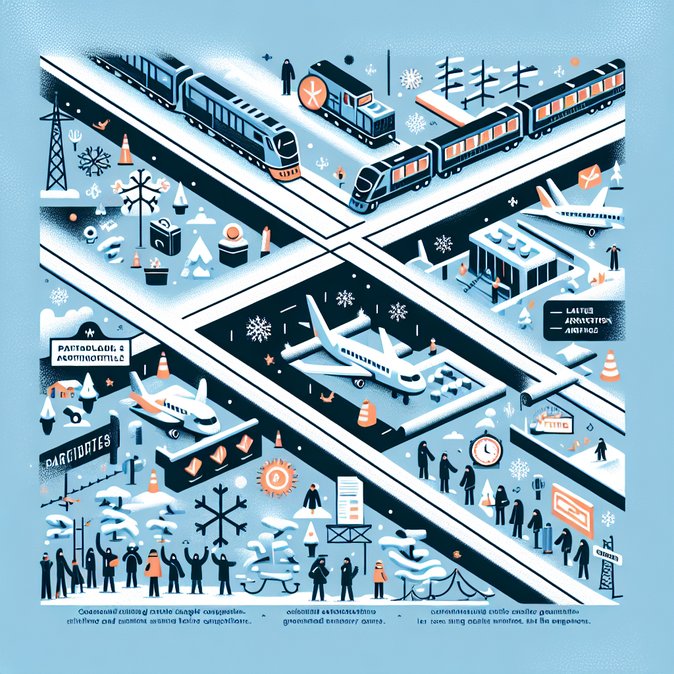
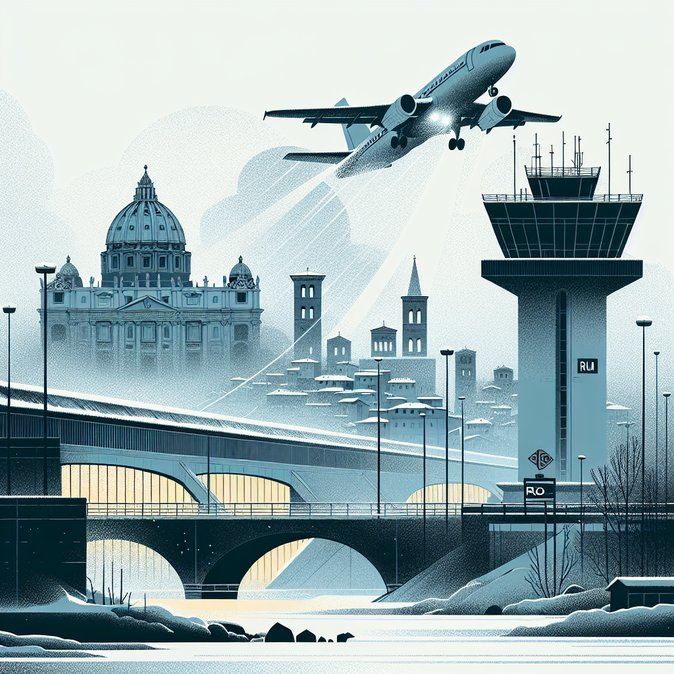
Meteorological winter delivered a last sting on 28 February when dense fog blanketed central Italy. Pescara’s Abruzzo International Airport diverted inbound flights from Brussels Charleroi and Wroclaw to Rome Fiumicino late on 27 February, and by the following morning the outbound service to Milan Malpensa was cancelled while Bucharest, Valencia and London departures incurred multi-hour delays.
![Thick Fog Shuts Down Abruzzo Airport, Forces Diversions to Rome]()
Before finalizing any itinerary, travellers should also confirm that their travel documents are in order. VisaHQ offers a streamlined online service for Italy—see https://www.visahq.com/italy/—allowing business teams and individual passengers to secure the appropriate visas quickly, with real-time status updates that reduce last-minute surprises.
The incident underscores how secondary airports—often used by low-cost carriers and business charters—can become single-points-of-failure when Category III ILS is unavailable. Travellers faced unexpected transfers of more than 180 kilometres by coach; some missed onward rail connections already strained by the national strike. Companies with talent hubs in Abruzzo’s growing aerospace cluster should note that winter fog events here average 13 days per season. Aviation analysts advise scheduling critical inbound meetings for afternoons, when sea-breezes typically lift visibility, and ensuring that tickets are booked on through-fares that protect passengers if segments are rerouted via Rome. Under EU261/2004, weather is an ‘extraordinary circumstance’, but carriers must still provide care and assistance. Mobility teams should remind employees to retain receipts for hotel and meal costs that exceed the statutory minimum if re-routing pushes arrivals beyond 24 hours.
Before finalizing any itinerary, travellers should also confirm that their travel documents are in order. VisaHQ offers a streamlined online service for Italy—see https://www.visahq.com/italy/—allowing business teams and individual passengers to secure the appropriate visas quickly, with real-time status updates that reduce last-minute surprises.
The incident underscores how secondary airports—often used by low-cost carriers and business charters—can become single-points-of-failure when Category III ILS is unavailable. Travellers faced unexpected transfers of more than 180 kilometres by coach; some missed onward rail connections already strained by the national strike. Companies with talent hubs in Abruzzo’s growing aerospace cluster should note that winter fog events here average 13 days per season. Aviation analysts advise scheduling critical inbound meetings for afternoons, when sea-breezes typically lift visibility, and ensuring that tickets are booked on through-fares that protect passengers if segments are rerouted via Rome. Under EU261/2004, weather is an ‘extraordinary circumstance’, but carriers must still provide care and assistance. Mobility teams should remind employees to retain receipts for hotel and meal costs that exceed the statutory minimum if re-routing pushes arrivals beyond 24 hours.