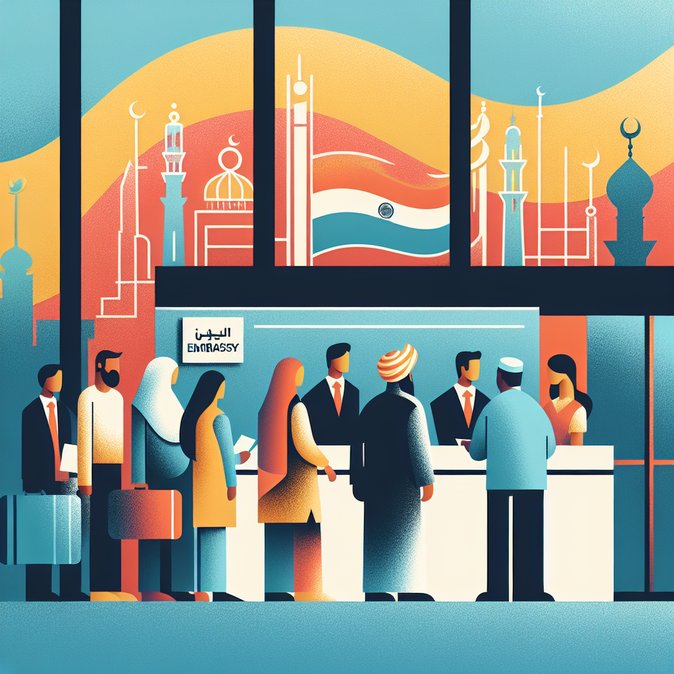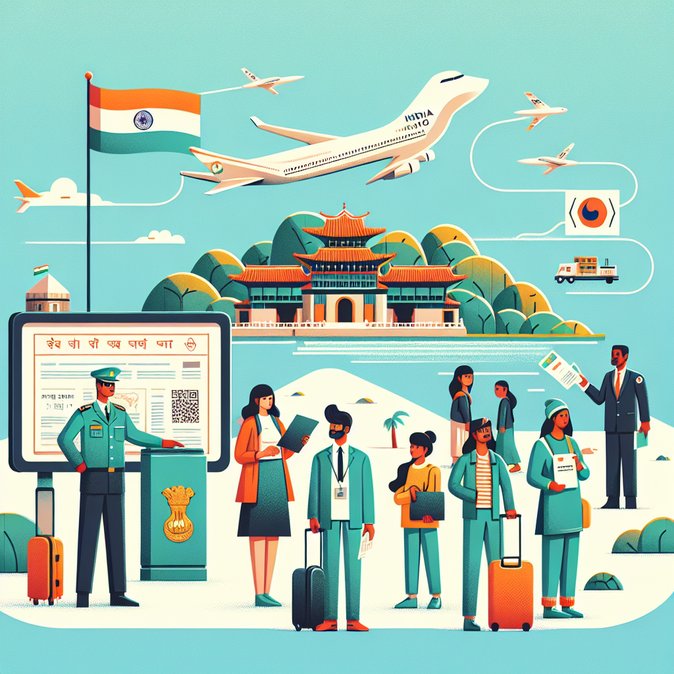
Speaking to reporters in Faridpur on 27 February, Bangladesh’s new State Minister for Foreign Affairs, Shama Obaed, confirmed that discussions with the Indian High Commission had reached “a positive stage” and that issuance of Indian tourist, medical and other short-stay visas for Bangladeshi nationals would restart shortly. (tbsnews.net)
New Delhi suspended most categories of visas at selected Bangladeshi centres in late 2025 amid capacity constraints and concerns over forged documentation. The pause caused a backlog estimated at 165,000 applications, affecting medical travellers to Kolkata and Chennai as well as shoppers bound for Siliguri.
Once service resumes, application flows are expected to surge beyond the pre-pause average of 4,000 daily. VFS Global has reportedly expanded biometric kiosks at Dhaka and Chittagong, and India is considering doubling daily appointment quotas.
![Indian Tourist Visas for Bangladeshis to Resume ‘Very Soon’, Says Dhaka]()
In this context, VisaHQ can help applicants navigate India’s evolving requirements without added stress. Through its dedicated portal (https://www.visahq.com/india/), travellers can complete digital forms, arrange document pick-ups and track their visa status in real time—an efficient alternative to standing in long lines at overburdened centers.
For Indian hospitals, especially in eastern states, the reopening restores a key revenue stream: Bangladeshi patients account for nearly 16 percent of international footfall at major private hospitals. Border trade communities in Siliguri and Agartala also anticipate higher retail volumes.
Corporate mobility teams moving Bangladeshi managers into India should, however, note that work-permit categories remain unaffected by the pause and continue to require in-person interviews. Companies should budget for longer lead times until the backlog is cleared.
New Delhi suspended most categories of visas at selected Bangladeshi centres in late 2025 amid capacity constraints and concerns over forged documentation. The pause caused a backlog estimated at 165,000 applications, affecting medical travellers to Kolkata and Chennai as well as shoppers bound for Siliguri.
Once service resumes, application flows are expected to surge beyond the pre-pause average of 4,000 daily. VFS Global has reportedly expanded biometric kiosks at Dhaka and Chittagong, and India is considering doubling daily appointment quotas.

In this context, VisaHQ can help applicants navigate India’s evolving requirements without added stress. Through its dedicated portal (https://www.visahq.com/india/), travellers can complete digital forms, arrange document pick-ups and track their visa status in real time—an efficient alternative to standing in long lines at overburdened centers.
For Indian hospitals, especially in eastern states, the reopening restores a key revenue stream: Bangladeshi patients account for nearly 16 percent of international footfall at major private hospitals. Border trade communities in Siliguri and Agartala also anticipate higher retail volumes.
Corporate mobility teams moving Bangladeshi managers into India should, however, note that work-permit categories remain unaffected by the pause and continue to require in-person interviews. Companies should budget for longer lead times until the backlog is cleared.