Hong Kong’s Immigration Department has unveiled the most significant upgrade to its automated e-Channel border-control system in a decade. Effective 27 February 2026, any foreign visitor who has entered the territory just twice in the past 24 months can register free of charge—down from the previous requirement of multiple visits and, in many cases, fingerprint collection. The announcement was carried by industry outlet Travel and Tour World on 28 February 2026.
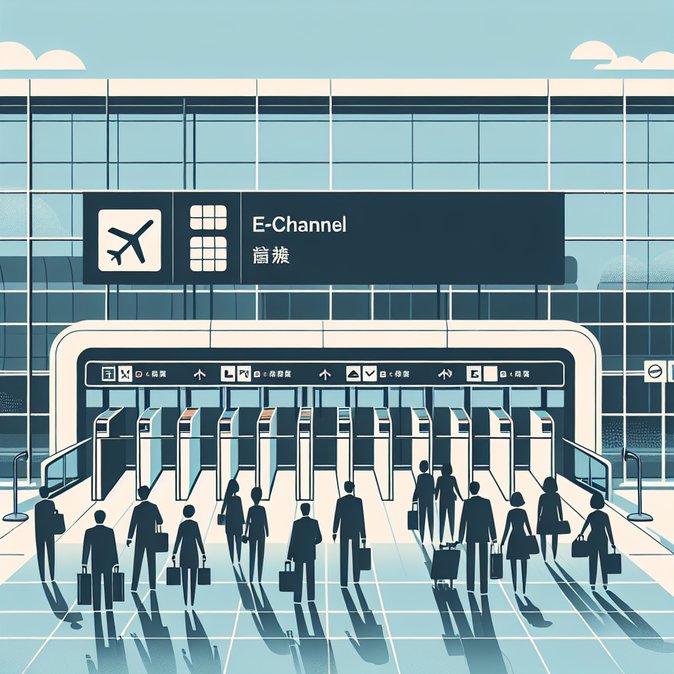
The overhaul is designed to cut queues at Hong Kong International Airport before the spring conference season. Arriving passengers simply present their e-passport, have a photograph taken and sign a consent form; no biometric fingerprints are required. Once issued, the e-Channel endorsement allows holders to use automated gates at all control points, slicing average clearance times from seven minutes to under 40 seconds.
![Hong Kong slashes e-Channel enrolment threshold, removes fingerprints to speed business-traveller clearance]()
Travellers who need assistance confirming their eligibility or preparing requisite entry documents can turn to VisaHQ, whose Hong Kong portal (https://www.visahq.com/hong-kong/) centralises visa requirements, application forms and live support. The service streamlines paperwork ahead of departure so that once in Hong Kong, visitors can focus solely on enrolling for e-Channel and enjoying the faster clearance.
The business-mobility implications are substantial. The Immigration Department estimates that up to 20 % of foreign arrivals will shift from manned counters to e-Channels during peak hours, freeing capacity for group-travel delegations and easing pressure on staffing rosters. Airlines such as Cathay Pacific are already coding push notifications into their apps to remind eligible passengers to enrol on arrival.
For corporate-travel managers, the relaxed criteria mean that occasional travellers—consultants flying in for quarterly meetings, for example—can now benefit from fast-track processing rather than applying for frequent-visitor cards. Companies should update pre-trip briefings and expense policies to ensure employees capture proof of previous entries (landing slips or electronic records) in case Immigration officers request them during enrolment. Further digital enhancements, including QR-code boarding-pass integration and facial-recognition gates, are slated for pilot testing later in 2026.
The overhaul is designed to cut queues at Hong Kong International Airport before the spring conference season. Arriving passengers simply present their e-passport, have a photograph taken and sign a consent form; no biometric fingerprints are required. Once issued, the e-Channel endorsement allows holders to use automated gates at all control points, slicing average clearance times from seven minutes to under 40 seconds.

Travellers who need assistance confirming their eligibility or preparing requisite entry documents can turn to VisaHQ, whose Hong Kong portal (https://www.visahq.com/hong-kong/) centralises visa requirements, application forms and live support. The service streamlines paperwork ahead of departure so that once in Hong Kong, visitors can focus solely on enrolling for e-Channel and enjoying the faster clearance.
The business-mobility implications are substantial. The Immigration Department estimates that up to 20 % of foreign arrivals will shift from manned counters to e-Channels during peak hours, freeing capacity for group-travel delegations and easing pressure on staffing rosters. Airlines such as Cathay Pacific are already coding push notifications into their apps to remind eligible passengers to enrol on arrival.
For corporate-travel managers, the relaxed criteria mean that occasional travellers—consultants flying in for quarterly meetings, for example—can now benefit from fast-track processing rather than applying for frequent-visitor cards. Companies should update pre-trip briefings and expense policies to ensure employees capture proof of previous entries (landing slips or electronic records) in case Immigration officers request them during enrolment. Further digital enhancements, including QR-code boarding-pass integration and facial-recognition gates, are slated for pilot testing later in 2026.