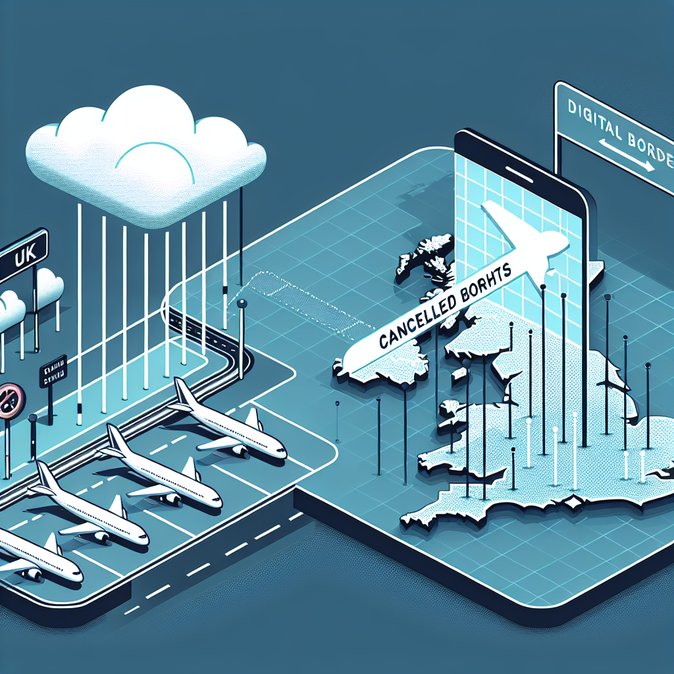
A searing report published on 28 February 2026 by the children’s charity Project Play accuses both the UK and French governments of “catastrophic failure” after documenting the deaths of 22 children who attempted to cross the English Channel over the last two years. The Guardian obtained the findings and highlighted that UK taxpayers have funded €473 million in security measures that, according to the NGO, translate into regular tear-gassing, tent evictions and dinghy-slashing in the Calais region. Although the story is rooted in humanitarian concern, it also reverberates through the global-mobility ecosystem. It comes just three days after full enforcement of the UK’s Electronic Travel Authorisation (ETA) and digital-status checks, measures the Home Office argues are essential to deter irregular migration.
![Report blames UK–France border policies for deaths of 22 migrant children]()
Navigating these new entry requirements can be daunting for both employers and individuals, but VisaHQ’s UK portal (https://www.visahq.com/united-kingdom/) streamlines the process by offering step-by-step application assistance, real-time tracking, and expert advice on visas, ETAs, and related travel documents—helping mobility managers stay compliant while avoiding costly delays.
Critics contend that tightening legal pathways without expanding safe routes will push more families towards dangerous crossings, exacerbating reputational risk for companies relocating staff or running supply chains through northern France. Employers with posted workers in France report an uptick in industrial-action threats from logistics unions who say COVID-era freight corridors are being diverted to avoid protests near migrant camps—adding cost and complexity to just-in-time deliveries. Meanwhile, corporate assignees in Calais and Dunkirk are requesting security briefings as relations between local residents and aid groups grow tense. Project Play is calling for a statutory inquiry and for the UK to create humanitarian visas for children with family in Britain—an idea that business groups such as the Institute of Directors say could complement talent-mobility objectives by demonstrating a balanced approach to border control. The Home Office insists its new Illegal Migration Act and joint operations with France have already prevented 40,000 crossing attempts, but has not responded directly to the demand for an inquiry.
Navigating these new entry requirements can be daunting for both employers and individuals, but VisaHQ’s UK portal (https://www.visahq.com/united-kingdom/) streamlines the process by offering step-by-step application assistance, real-time tracking, and expert advice on visas, ETAs, and related travel documents—helping mobility managers stay compliant while avoiding costly delays.
Critics contend that tightening legal pathways without expanding safe routes will push more families towards dangerous crossings, exacerbating reputational risk for companies relocating staff or running supply chains through northern France. Employers with posted workers in France report an uptick in industrial-action threats from logistics unions who say COVID-era freight corridors are being diverted to avoid protests near migrant camps—adding cost and complexity to just-in-time deliveries. Meanwhile, corporate assignees in Calais and Dunkirk are requesting security briefings as relations between local residents and aid groups grow tense. Project Play is calling for a statutory inquiry and for the UK to create humanitarian visas for children with family in Britain—an idea that business groups such as the Institute of Directors say could complement talent-mobility objectives by demonstrating a balanced approach to border control. The Home Office insists its new Illegal Migration Act and joint operations with France have already prevented 40,000 crossing attempts, but has not responded directly to the demand for an inquiry.