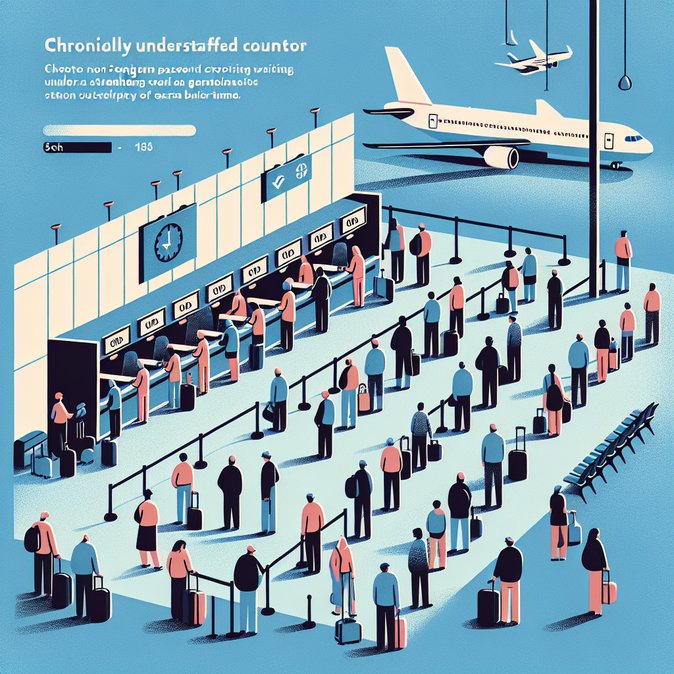
Balearic travel chiefs have sounded the alarm over the EU’s new biometric Entry/Exit System (EES) after a winter trial at Palma de Mallorca airport exposed long queues, malfunctioning fingerprint readers and staffing gaps. Pedro Fiol, president of the Balearic association of travel agencies (AVIBA), told local media that simultaneous arrivals from the UK, Canada, Abu Dhabi and New York could cause waits of “up to three hours” when the busy season starts in late March.
Under EU rules, all non-EU visitors—including the UK’s 13-million-strong annual contingent to Spain—must scan fingerprints and have their faces photographed on first entry after 10 April 2026. Palma, Ibiza and Menorca airports have begun phased deployment of the self-service kiosks, but Aena cannot yet confirm how many machines will be operational. AVIBA is urging the Interior Ministry to surge National Police officers who can switch to manual stamping if the biometric gates fail.
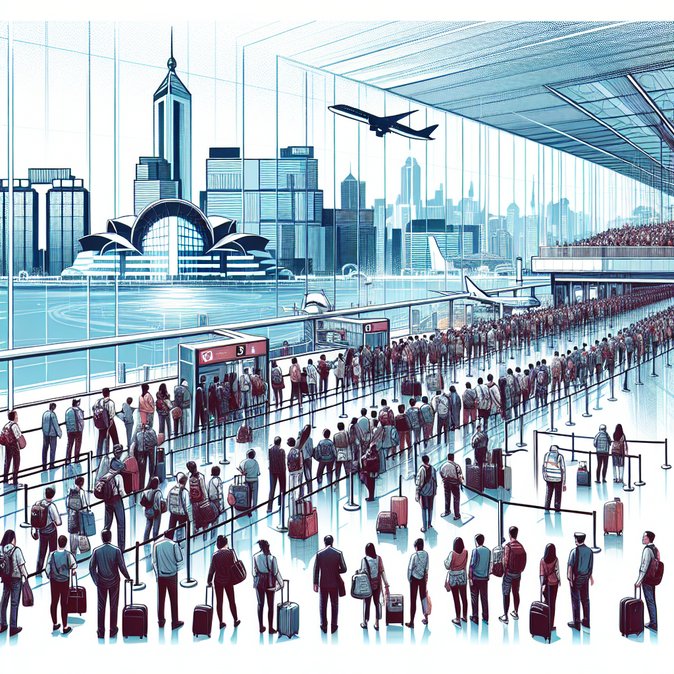
Airports Council International Europe recently warned that EES could raise processing times by 70 % at peak periods; Lisbon was forced to suspend the system for three months last year after seven-hour queues. EU regulations allow member-states to run a “hybrid” manual-plus-biometric regime for 90 days—and an extra 60 during high season—but Spain has not announced whether it will seek this flexibility.
![Mallorca Travel Industry Warns of Summer Chaos as EU Entry/Exit System Roll-out Falters]()
Travellers who want professional help navigating Spain’s evolving border formalities—including pre-trip visa checks or clarifications on biometric enrolment dates—can turn to VisaHQ. The company’s easy-to-use portal (https://www.visahq.com/spain/) consolidates the latest government rules and can fast-track any required paperwork, giving holidaymakers and business passengers one less thing to worry about.
For tour operators and airlines, the risk is cascading delays: packed passport halls mean baggage carousels cannot be cleared, coaches miss departure slots and aircraft rotations are blown. AVIBA wants a crisis-cell combining Aena, National Police and the regional government to publish contingency plans and real-time queue data. Hoteliers are advising British guests to avoid the morning ‘wave’ of UK arrivals and to factor in extra time when booking connections to inter-island ferries.
Corporate travel managers should brief employees on the new biometric requirements, ensure passports are machine-readable and embed buffer time in itineraries. The Balearic government, heavily dependent on tourism, insists it is working with Madrid to minimise disruption, but has so far offered no concrete timeline for additional resources.
Under EU rules, all non-EU visitors—including the UK’s 13-million-strong annual contingent to Spain—must scan fingerprints and have their faces photographed on first entry after 10 April 2026. Palma, Ibiza and Menorca airports have begun phased deployment of the self-service kiosks, but Aena cannot yet confirm how many machines will be operational. AVIBA is urging the Interior Ministry to surge National Police officers who can switch to manual stamping if the biometric gates fail.
Airports Council International Europe recently warned that EES could raise processing times by 70 % at peak periods; Lisbon was forced to suspend the system for three months last year after seven-hour queues. EU regulations allow member-states to run a “hybrid” manual-plus-biometric regime for 90 days—and an extra 60 during high season—but Spain has not announced whether it will seek this flexibility.
Travellers who want professional help navigating Spain’s evolving border formalities—including pre-trip visa checks or clarifications on biometric enrolment dates—can turn to VisaHQ. The company’s easy-to-use portal (https://www.visahq.com/spain/) consolidates the latest government rules and can fast-track any required paperwork, giving holidaymakers and business passengers one less thing to worry about.
For tour operators and airlines, the risk is cascading delays: packed passport halls mean baggage carousels cannot be cleared, coaches miss departure slots and aircraft rotations are blown. AVIBA wants a crisis-cell combining Aena, National Police and the regional government to publish contingency plans and real-time queue data. Hoteliers are advising British guests to avoid the morning ‘wave’ of UK arrivals and to factor in extra time when booking connections to inter-island ferries.
Corporate travel managers should brief employees on the new biometric requirements, ensure passports are machine-readable and embed buffer time in itineraries. The Balearic government, heavily dependent on tourism, insists it is working with Madrid to minimise disruption, but has so far offered no concrete timeline for additional resources.