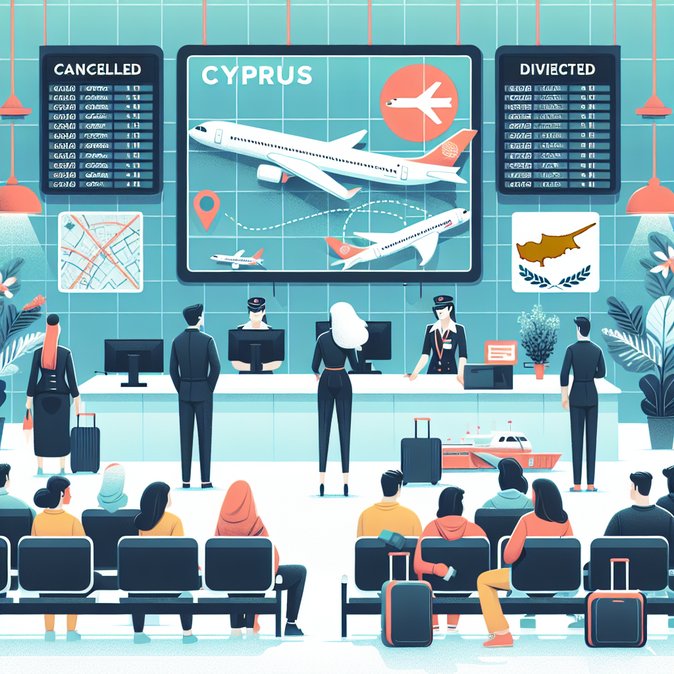
Within hours of the first flight cancellations on 28 February, Cyprus Police announced a nationwide escalation of protective measures covering the island’s critical infrastructure. Speaking to reporters, spokesman Vyronas Vyronos said the force had moved to a “heightened state of readiness” in response to the rapidly evolving Middle-East conflict.
![Cyprus Police tighten security at airports, ports and energy sites amid regional conflict]()
Travellers who suddenly find themselves needing updated documentation or clarity on entry rules can streamline the process through VisaHQ’s Cyprus page (https://www.visahq.com/cyprus/), which offers real-time visa requirement checks, application support and expedited processing—particularly useful when last-minute itinerary changes coincide with tighter security controls.
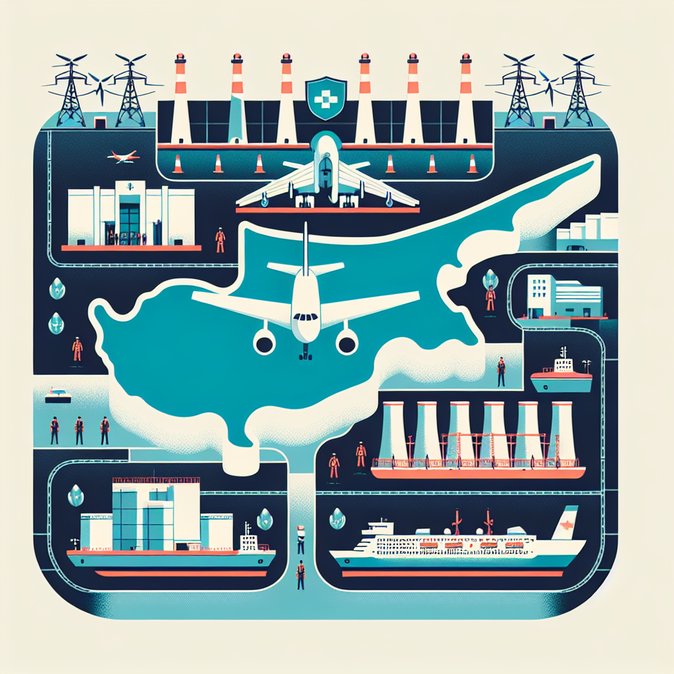
Uniformed and plain-clothes officers were deployed at Larnaca and Paphos airports, Limassol port, Vasilikos energy terminal and the island’s two British Sovereign Base Areas. Additional checkpoints were set up on the Green Line crossing points to the Turkish-occupied north, where officers conducted quick-scan passport checks against EU and Interpol watch-lists. For expatriate staff and international assignees, the visible security build-up caused some delays at departure halls but delivered reassurance that Cyprus remains committed to Schengen-grade border management ahead of its hoped-for accession later this year. Corporate-security consultants advised multinationals to review travel-risk policies and ensure that mobile workforces carry both passports and residence permits at all times to avoid secondary screening delays. The tightening of perimeter security also extends to digital monitoring: police cyber-units are patrolling social-media channels for disinformation that could trigger panic booking changes among tourists and visiting teams of technical specialists working on the island’s energy projects. Vyronos stressed that there was “no specific threat” against Cyprus, but that a proportional response was prudent given the heavy surge in regional military activity and the island’s role as an evacuation and medevac hub.
Travellers who suddenly find themselves needing updated documentation or clarity on entry rules can streamline the process through VisaHQ’s Cyprus page (https://www.visahq.com/cyprus/), which offers real-time visa requirement checks, application support and expedited processing—particularly useful when last-minute itinerary changes coincide with tighter security controls.
Uniformed and plain-clothes officers were deployed at Larnaca and Paphos airports, Limassol port, Vasilikos energy terminal and the island’s two British Sovereign Base Areas. Additional checkpoints were set up on the Green Line crossing points to the Turkish-occupied north, where officers conducted quick-scan passport checks against EU and Interpol watch-lists. For expatriate staff and international assignees, the visible security build-up caused some delays at departure halls but delivered reassurance that Cyprus remains committed to Schengen-grade border management ahead of its hoped-for accession later this year. Corporate-security consultants advised multinationals to review travel-risk policies and ensure that mobile workforces carry both passports and residence permits at all times to avoid secondary screening delays. The tightening of perimeter security also extends to digital monitoring: police cyber-units are patrolling social-media channels for disinformation that could trigger panic booking changes among tourists and visiting teams of technical specialists working on the island’s energy projects. Vyronos stressed that there was “no specific threat” against Cyprus, but that a proportional response was prudent given the heavy surge in regional military activity and the island’s role as an evacuation and medevac hub.