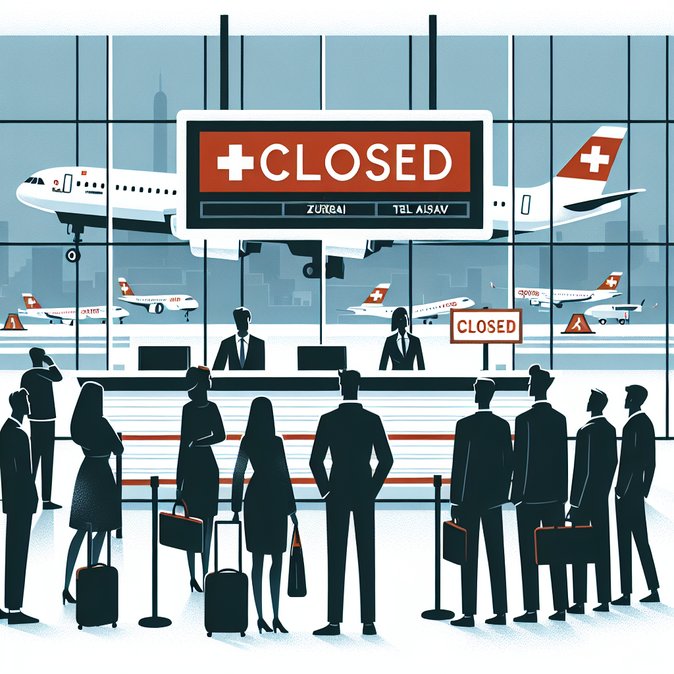
Within hours of the 28 February missile exchanges between Washington, Tel Aviv and Tehran, Switzerland’s Federal Department of Foreign Affairs (FDFA) issued an extraordinary position statement and updated its travel advice for both Iran and Israel. The ministry now formally “advises against all travel” to Iran and urges Swiss nationals in the country to prepare for limited consular assistance should the security situation deteriorate further. Travel to Israel, previously classified as ‘high risk’, has likewise been escalated to ‘generally advised against’.
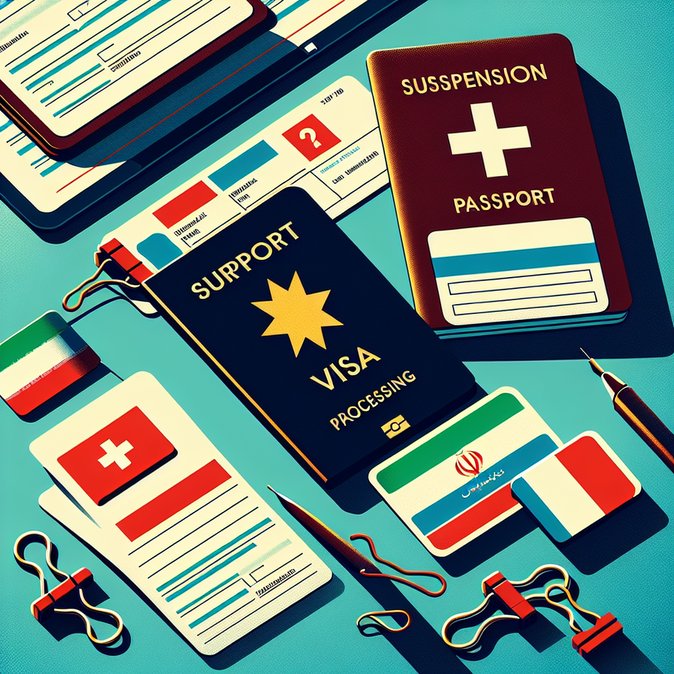
Roughly 180 Swiss citizens are registered in Iran and 25,000 in Israel—many with dual nationality. The FDFA confirmed that embassies in Tehran and Tel Aviv remain operational but are working with reduced staff. Appointment slots for Schengen C and national D visas in Tehran have been suspended until further notice, effectively pausing new business-travel plans originating from Iran.
Swiss travellers rerouting through safer hubs may still face unpredictable entry requirements. VisaHQ’s Swiss portal (https://www.visahq.com/switzerland/) aggregates the latest visa rules and can fast-track applications for alternative destinations, giving corporate mobility teams a reliable fallback when local embassies curtail normal services.
![Bern updates travel advisories after U.S.–Israel strikes on Iran]()
For multinational companies the advisory triggers automatic review clauses in many corporate security policies. Some are relocating Swiss assignees to Dubai or Doha, while others have invoked emergency-evacuation contracts with specialist providers. Global mobility teams must now track staff locations daily to remain compliant with duty-of-care obligations and Swiss labour-law provisions on health and safety during overseas postings.
Insurance brokers warn that the advisory shift could affect coverage under typical business-travel accident and medical plans, which often exclude areas under official “do not travel” advisories unless additional war-risk riders are in place. Firms sending technicians to Israel’s hi-tech corridor or negotiating energy deals in Iran’s petro-chem sector are urged to consult insurers before dispatching personnel.
The FDFA emphasised that its Travel Admin app is the fastest channel for receiving push notifications of further updates—a best practice HR should reinforce during traveller briefings.
Roughly 180 Swiss citizens are registered in Iran and 25,000 in Israel—many with dual nationality. The FDFA confirmed that embassies in Tehran and Tel Aviv remain operational but are working with reduced staff. Appointment slots for Schengen C and national D visas in Tehran have been suspended until further notice, effectively pausing new business-travel plans originating from Iran.
Swiss travellers rerouting through safer hubs may still face unpredictable entry requirements. VisaHQ’s Swiss portal (https://www.visahq.com/switzerland/) aggregates the latest visa rules and can fast-track applications for alternative destinations, giving corporate mobility teams a reliable fallback when local embassies curtail normal services.

For multinational companies the advisory triggers automatic review clauses in many corporate security policies. Some are relocating Swiss assignees to Dubai or Doha, while others have invoked emergency-evacuation contracts with specialist providers. Global mobility teams must now track staff locations daily to remain compliant with duty-of-care obligations and Swiss labour-law provisions on health and safety during overseas postings.
Insurance brokers warn that the advisory shift could affect coverage under typical business-travel accident and medical plans, which often exclude areas under official “do not travel” advisories unless additional war-risk riders are in place. Firms sending technicians to Israel’s hi-tech corridor or negotiating energy deals in Iran’s petro-chem sector are urged to consult insurers before dispatching personnel.
The FDFA emphasised that its Travel Admin app is the fastest channel for receiving push notifications of further updates—a best practice HR should reinforce during traveller briefings.