The **Times** has published an updated explainer on how the EU’s **Entry/Exit System (EES)** will change travel to the Schengen Area – including Switzerland – when it becomes compulsory on **10 April 2026**.
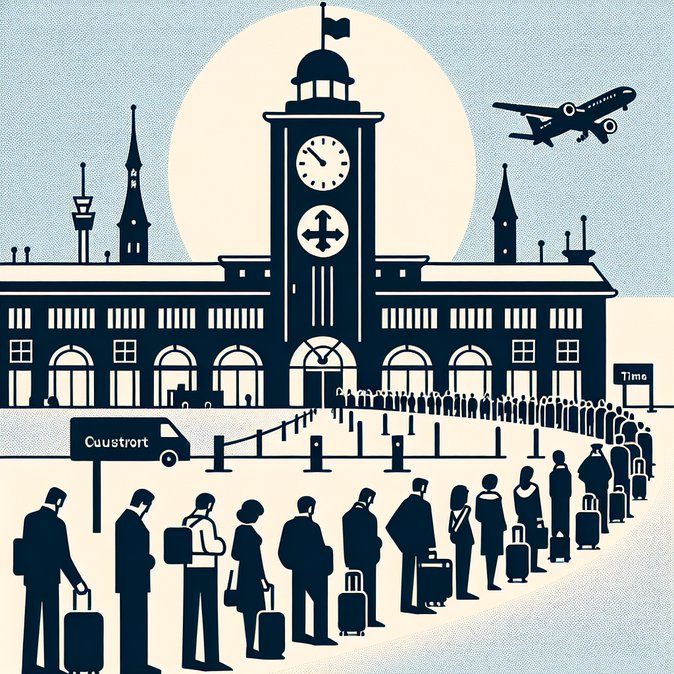
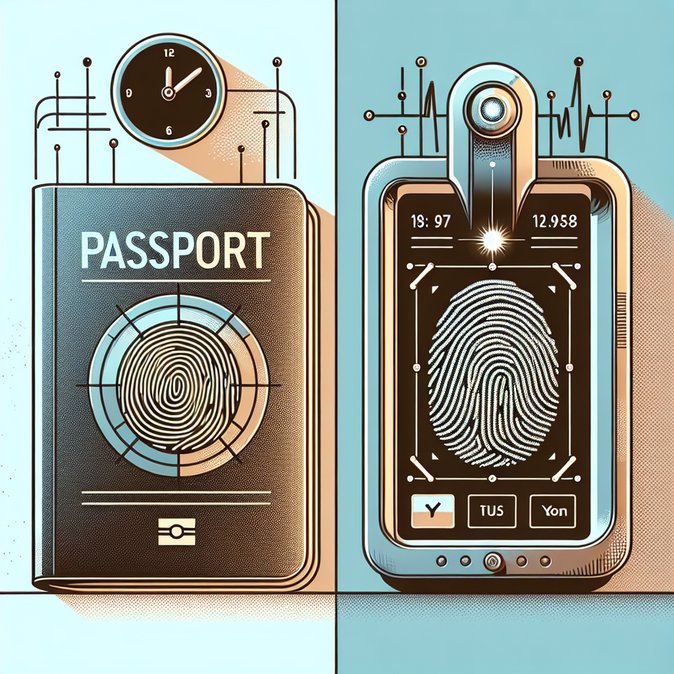
Under EES, non-EU travellers will register fingerprints and a facial image at automated kiosks the first time they cross an external Schengen border. Subsequent trips will require only a quick biometric match, but the initial enrolment may add several minutes per passenger. The article notes that tests at Geneva and Basel have already produced queues of up to four hours at peak times, largely because only 35 % of travellers are currently being processed through the system.
![What Switzerland-bound visitors need to know about the EU’s new Entry/Exit System]()
Travellers looking for up-to-date guidance on documentation, biometric procedures and any visa or authorisation that may still be required can turn to VisaHQ. The service’s Switzerland portal (https://www.visahq.com/switzerland/) centralises the latest official notices, lets users check whether they need a visa or ETIAS, and offers application support so that first-time EES enrolment goes as smoothly as possible.
The Times advises British, US and other visa-exempt nationals to carry proof of accommodation, insurance and onward travel, as border guards are likely to enforce the long-standing 90/180-day stay limit more strictly once stamps disappear. It also clarifies that EES is separate from **ETIAS**, the €20 travel authorisation now delayed until late 2026.
For Swiss tourism boards and conference organisers, clear communication will be essential: confusion could deter last-minute bookings or lead to missed event start times. Corporations should update travel policies, schedule extra airport time for first-time assignees and monitor throughput data published by Swiss border police in the weeks after go-live.
Under EES, non-EU travellers will register fingerprints and a facial image at automated kiosks the first time they cross an external Schengen border. Subsequent trips will require only a quick biometric match, but the initial enrolment may add several minutes per passenger. The article notes that tests at Geneva and Basel have already produced queues of up to four hours at peak times, largely because only 35 % of travellers are currently being processed through the system.
Travellers looking for up-to-date guidance on documentation, biometric procedures and any visa or authorisation that may still be required can turn to VisaHQ. The service’s Switzerland portal (https://www.visahq.com/switzerland/) centralises the latest official notices, lets users check whether they need a visa or ETIAS, and offers application support so that first-time EES enrolment goes as smoothly as possible.
The Times advises British, US and other visa-exempt nationals to carry proof of accommodation, insurance and onward travel, as border guards are likely to enforce the long-standing 90/180-day stay limit more strictly once stamps disappear. It also clarifies that EES is separate from **ETIAS**, the €20 travel authorisation now delayed until late 2026.
For Swiss tourism boards and conference organisers, clear communication will be essential: confusion could deter last-minute bookings or lead to missed event start times. Corporations should update travel policies, schedule extra airport time for first-time assignees and monitor throughput data published by Swiss border police in the weeks after go-live.