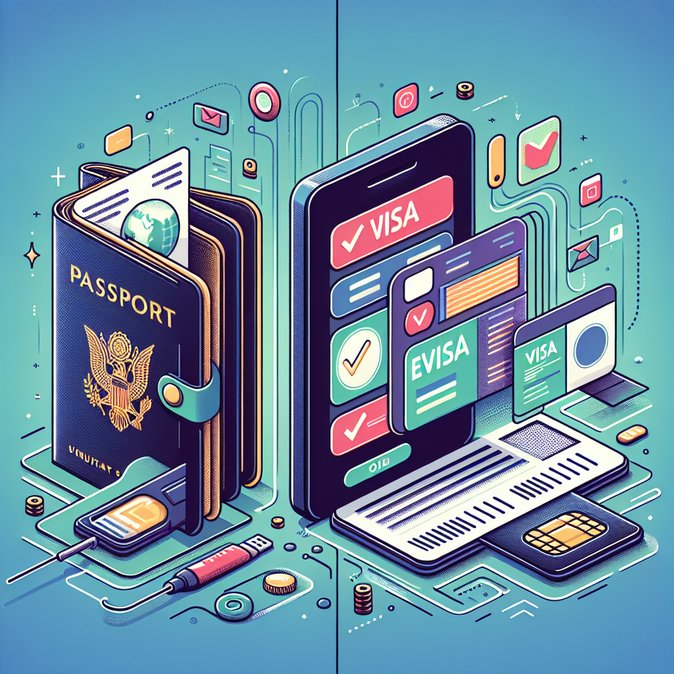
UAE-based travellers applying for a British visa have woken up to a very different process this week. As of 25 February 2026 the UK has completed the switchover to fully digital ‘eVisas’, and guidance issued on 27 February confirms that applicants in the Emirates can now keep their passports throughout the application. Physical vignette stickers and Biometric Residence Permits are being phased out in favour of an online immigration account that airlines and border officers can access in real time.
For the UAE’s huge expatriate population—and for mobility managers who routinely juggle multiple visa files per employee—the practical benefits are immediate. Applicants begin the process on GOV.UK, book a VFS Global appointment, supply biometrics and supporting papers once, and walk out of the centre with their passport still in hand. No courier wait, no risk of lost documents, and crucially the freedom to apply for Schengen, US or other visas while the UK decision is pending. More than ten million customers worldwide are already using eVisas, according to UK Visas & Immigration, but travellers through Dubai and Abu Dhabi are among the first whose entire application journey is digital from start to finish.
Travellers who would like an expert set of eyes on their paperwork can turn to VisaHQ, whose UAE portal (https://www.visahq.com/united-arab-emirates/) offers step-by-step assistance with UK eVisa applications as well as Schengen, US and dozens of other destinations. The service can pre-check documents, book VFS appointments and track decisions in real time, making the switch to paperless travel even smoother.
![UK rolls out digital eVisas – UAE residents no longer need to hand over their passports]()
The shift is part of the Home Office’s wider plan to make the UK border “digital-by-default” before the end of 2026. It dovetails with the Electronic Travel Authorisation (ETA) being rolled out for visa-exempt nationals, and the requirement for carriers to verify a passenger’s permission to travel before boarding. UAE nationals have enjoyed visa-free entry to the UK since 2023 but still need an ETA, while residents of other nationalities must use the new eVisa channel.
Corporate travel teams should update their checklists immediately. Employees must create a UKVI account, ensure the passport number in their eVisa matches the document they will travel on, and carry a digital or printed confirmation email—airlines have been told to refuse boarding if the data does not align. Holders of existing vignette stickers or BRPs have until their next renewal to switch, but many are choosing to opt-in early to avoid sending passports away during the busy Eid-and-summer travel peaks.
VFS Global says it has re-configured its UAE visa centres to handle the new flow and is urging applicants to upload documents in advance to speed processing. Early feedback from travel managers is positive: fewer appointment slots are being missed and urgent multi-country itineraries are easier to build. For UAE residents who live—and work—at the crossroads of three continents, the paperless UK eVisa is a significant step toward truly frictionless global mobility.
For the UAE’s huge expatriate population—and for mobility managers who routinely juggle multiple visa files per employee—the practical benefits are immediate. Applicants begin the process on GOV.UK, book a VFS Global appointment, supply biometrics and supporting papers once, and walk out of the centre with their passport still in hand. No courier wait, no risk of lost documents, and crucially the freedom to apply for Schengen, US or other visas while the UK decision is pending. More than ten million customers worldwide are already using eVisas, according to UK Visas & Immigration, but travellers through Dubai and Abu Dhabi are among the first whose entire application journey is digital from start to finish.
Travellers who would like an expert set of eyes on their paperwork can turn to VisaHQ, whose UAE portal (https://www.visahq.com/united-arab-emirates/) offers step-by-step assistance with UK eVisa applications as well as Schengen, US and dozens of other destinations. The service can pre-check documents, book VFS appointments and track decisions in real time, making the switch to paperless travel even smoother.

The shift is part of the Home Office’s wider plan to make the UK border “digital-by-default” before the end of 2026. It dovetails with the Electronic Travel Authorisation (ETA) being rolled out for visa-exempt nationals, and the requirement for carriers to verify a passenger’s permission to travel before boarding. UAE nationals have enjoyed visa-free entry to the UK since 2023 but still need an ETA, while residents of other nationalities must use the new eVisa channel.
Corporate travel teams should update their checklists immediately. Employees must create a UKVI account, ensure the passport number in their eVisa matches the document they will travel on, and carry a digital or printed confirmation email—airlines have been told to refuse boarding if the data does not align. Holders of existing vignette stickers or BRPs have until their next renewal to switch, but many are choosing to opt-in early to avoid sending passports away during the busy Eid-and-summer travel peaks.
VFS Global says it has re-configured its UAE visa centres to handle the new flow and is urging applicants to upload documents in advance to speed processing. Early feedback from travel managers is positive: fewer appointment slots are being missed and urgent multi-country itineraries are easier to build. For UAE residents who live—and work—at the crossroads of three continents, the paperless UK eVisa is a significant step toward truly frictionless global mobility.