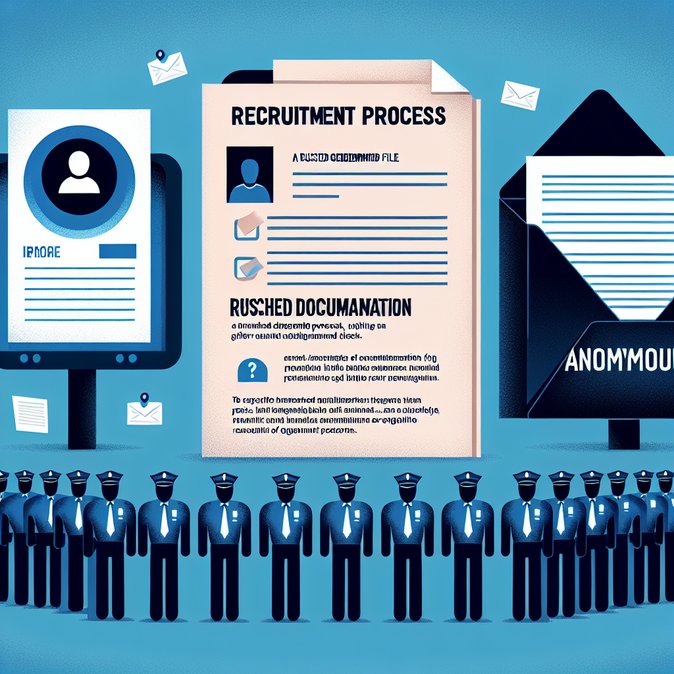
Reuters has obtained an internal e-mail instructing Immigration and Customs Enforcement field offices how to handle misconduct allegations against thousands of newly hired officers whose background checks remain incomplete. The guidance, circulated earlier this week and confirmed by DHS to reporters on February 26, cites a “high volume of new hires” driven by President Trump’s mass-deportation mandate.
ICE added roughly 12,000 enforcement agents in 2025 – a 60 percent head-count jump – but a federal workforce database shows a net gain of only 6,200 after attrition. According to the memo, field supervisors must refer any derogatory information about recruits to the agency’s Integrity Investigations Unit; examples include prior gang affiliation, outstanding warrants or termination from another police department.
![Internal memo warns ICE supervisors of vetting backlogs amid 12,000-officer hiring surge]()
For employers, relocating workers and even individual travelers who suddenly find themselves facing a more aggressive enforcement climate, third-party guidance can be a lifeline. VisaHQ’s platform streamlines U.S. visa applications, offers up-to-date compliance insights, and provides concierge support that mitigates the risk of surprises at the border—details are available at https://www.visahq.com/united-states/
The scramble has practical consequences for global mobility. Companies that move employees across state lines have reported unpredictable workplace raids as inexperienced agents flood E-Verify audits and I-9 inspections. Labor-law experts fear rushed hiring could replicate the corruption scandals that plagued Border Patrol after its 2000s expansion.
DHS downplays the concerns, saying all officers undergo “continuous vetting,” yet lawmakers are skeptical. Senate Judiciary Committee members have requested an inspector-general review of ICE’s onboarding and training pipeline. Meanwhile, corporate compliance teams are refreshing “Know Your Rights” materials and emergency response protocols in case of escalated work-site enforcement.
ICE added roughly 12,000 enforcement agents in 2025 – a 60 percent head-count jump – but a federal workforce database shows a net gain of only 6,200 after attrition. According to the memo, field supervisors must refer any derogatory information about recruits to the agency’s Integrity Investigations Unit; examples include prior gang affiliation, outstanding warrants or termination from another police department.

For employers, relocating workers and even individual travelers who suddenly find themselves facing a more aggressive enforcement climate, third-party guidance can be a lifeline. VisaHQ’s platform streamlines U.S. visa applications, offers up-to-date compliance insights, and provides concierge support that mitigates the risk of surprises at the border—details are available at https://www.visahq.com/united-states/
The scramble has practical consequences for global mobility. Companies that move employees across state lines have reported unpredictable workplace raids as inexperienced agents flood E-Verify audits and I-9 inspections. Labor-law experts fear rushed hiring could replicate the corruption scandals that plagued Border Patrol after its 2000s expansion.
DHS downplays the concerns, saying all officers undergo “continuous vetting,” yet lawmakers are skeptical. Senate Judiciary Committee members have requested an inspector-general review of ICE’s onboarding and training pipeline. Meanwhile, corporate compliance teams are refreshing “Know Your Rights” materials and emergency response protocols in case of escalated work-site enforcement.