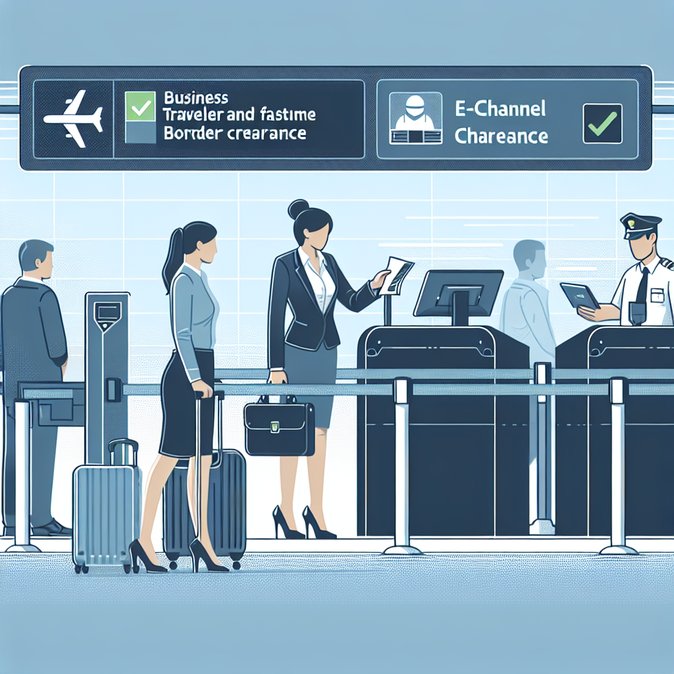
Finance Secretary Paul Chan’s 2026-27 Budget, delivered on 25 February and dissected by media on 26 February, earmarks HK$1.66 billion for the Hong Kong Tourism Board—35 percent more than last year. The headline move is the retirement of the 20-year-old “A Symphony of Lights” harbour show, to be replaced by seasonal light festivals staged across multiple districts using immersive projection technology. The tourism package complements earlier visa-facilitation efforts by positioning Hong Kong as a safer, more diversified stop-over for premium cruise passengers and MICE delegates. Officials also unveiled a HK$200 million rural-revitalisation fund aimed at turning New Territories villages into cultural homestay clusters, giving expats and international students alternatives to urban hotels. Another plank is a campaign to attract overseas secondary-school excursions and university field trips. Education agents will receive co-marketing grants, and the Immigration Department will streamline short-stay visa processing for groups from ASEAN and Belt-and-Road economies.
![Budget 2026-27 pledges HK$1.66 billion to re-energise tourism and study-tour market]()
For travel organisers trying to keep pace with those evolving entry rules, VisaHQ can simplify the process. Its Hong Kong portal (https://www.visahq.com/hong-kong/) provides up-to-date visa information, digital application tools and courier options, helping cruise operators, MICE planners and study-tour coordinators obtain everything from express visitor visas to longer-term work permits with minimal hassle.
Industry insiders believe the measures could help the city regain the 56 million-visitor milestone by 2027. Business-travel planners welcome the shift towards year-round attractions rather than one signature nightly show, arguing it will spread visitor flows and make it easier to secure waterfront venues for corporate receptions. However, hoteliers caution that staffing shortages may blunt the impact unless separate work-visa quotas for hospitality workers are expanded. The Budget’s tourism focus underscores the government’s broader “mega-events economy” strategy, which relies on frictionless border control and efficient air-seat capacity. Stakeholders will be watching for detailed implementation guidelines and any linked immigration concessions in the coming months.

For travel organisers trying to keep pace with those evolving entry rules, VisaHQ can simplify the process. Its Hong Kong portal (https://www.visahq.com/hong-kong/) provides up-to-date visa information, digital application tools and courier options, helping cruise operators, MICE planners and study-tour coordinators obtain everything from express visitor visas to longer-term work permits with minimal hassle.
Industry insiders believe the measures could help the city regain the 56 million-visitor milestone by 2027. Business-travel planners welcome the shift towards year-round attractions rather than one signature nightly show, arguing it will spread visitor flows and make it easier to secure waterfront venues for corporate receptions. However, hoteliers caution that staffing shortages may blunt the impact unless separate work-visa quotas for hospitality workers are expanded. The Budget’s tourism focus underscores the government’s broader “mega-events economy” strategy, which relies on frictionless border control and efficient air-seat capacity. Stakeholders will be watching for detailed implementation guidelines and any linked immigration concessions in the coming months.