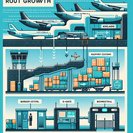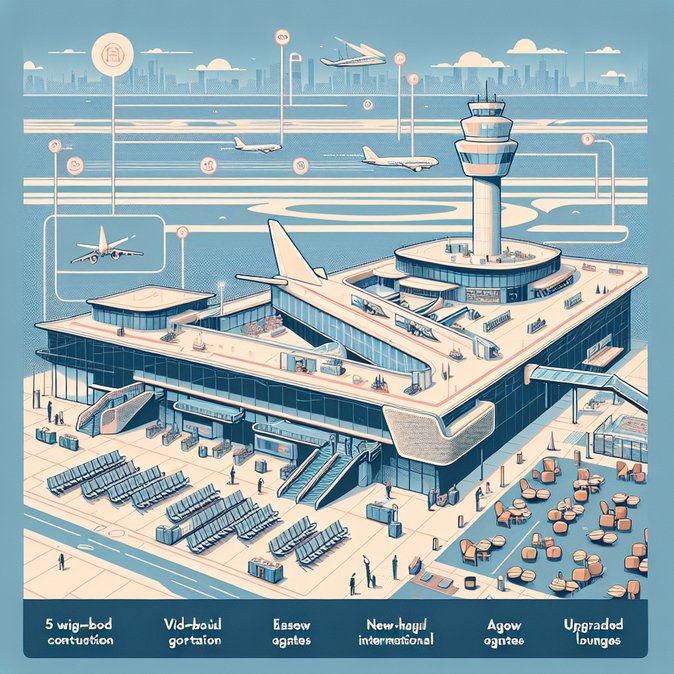
On 26 February 2026 Melbourne Airport unveiled plans for a AUD 4.5 billion upgrade of its ageing international pier, adding five wide-body gates, expanded lounges and a high-tech common-user baggage hall. Construction is slated to start later this year.
For multinational firms the project addresses long-standing congestion issues that have affected connection reliability for trans-Tasman and long-haul flights. The new gates will allow dual-aircraft boarding and better segregate arriving and departing passenger flows, reducing minimum connection times.
Travellers planning journeys around the upgraded hub should also review entry requirements well in advance. VisaHQ’s Australia portal (https://www.visahq.com/australia/) enables passengers and corporate travel departments to check visa rules, lodge electronic applications and track approvals in real time, cutting paperwork and helping ensure stress-free connections when the new facilities come online.
![Melbourne Airport confirms AUD 4.5 billion expansion of international terminal]()
The expansion also prepares Australia’s second-busiest gateway for a surge in traffic triggered by the 2026 Commonwealth Games and the looming growth of ultra-long-haul services. Airport management highlighted demand from Asian and Middle-Eastern carriers for additional slots, signalling more non-stop links to secondary Chinese and Indian cities by 2027.
Business-travel stakeholders welcomed the inclusion of larger premium lounges and enhanced retail, noting the current T2 facilities lag Sydney and Brisbane. Cargo operators will benefit too: the apron re-design provides simultaneous loading of freighter aircraft and belly-cargo wide-bodies, easing export bottlenecks for time-sensitive goods.
During construction some stands will close, and carriers will adjust schedules or use remote bays. Travel managers should flag possible gate changes and build in longer transfer buffers for itineraries through Melbourne from Q4 2026 onward.
For multinational firms the project addresses long-standing congestion issues that have affected connection reliability for trans-Tasman and long-haul flights. The new gates will allow dual-aircraft boarding and better segregate arriving and departing passenger flows, reducing minimum connection times.
Travellers planning journeys around the upgraded hub should also review entry requirements well in advance. VisaHQ’s Australia portal (https://www.visahq.com/australia/) enables passengers and corporate travel departments to check visa rules, lodge electronic applications and track approvals in real time, cutting paperwork and helping ensure stress-free connections when the new facilities come online.
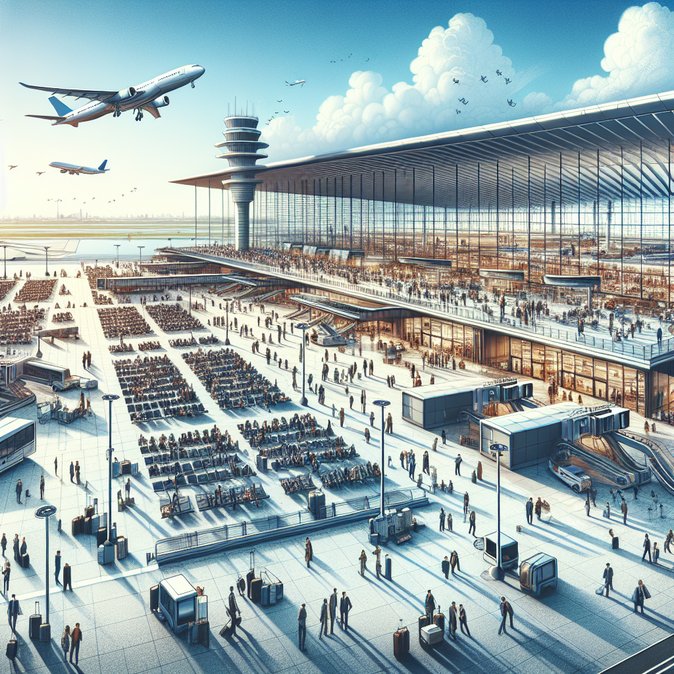
The expansion also prepares Australia’s second-busiest gateway for a surge in traffic triggered by the 2026 Commonwealth Games and the looming growth of ultra-long-haul services. Airport management highlighted demand from Asian and Middle-Eastern carriers for additional slots, signalling more non-stop links to secondary Chinese and Indian cities by 2027.
Business-travel stakeholders welcomed the inclusion of larger premium lounges and enhanced retail, noting the current T2 facilities lag Sydney and Brisbane. Cargo operators will benefit too: the apron re-design provides simultaneous loading of freighter aircraft and belly-cargo wide-bodies, easing export bottlenecks for time-sensitive goods.
During construction some stands will close, and carriers will adjust schedules or use remote bays. Travel managers should flag possible gate changes and build in longer transfer buffers for itineraries through Melbourne from Q4 2026 onward.