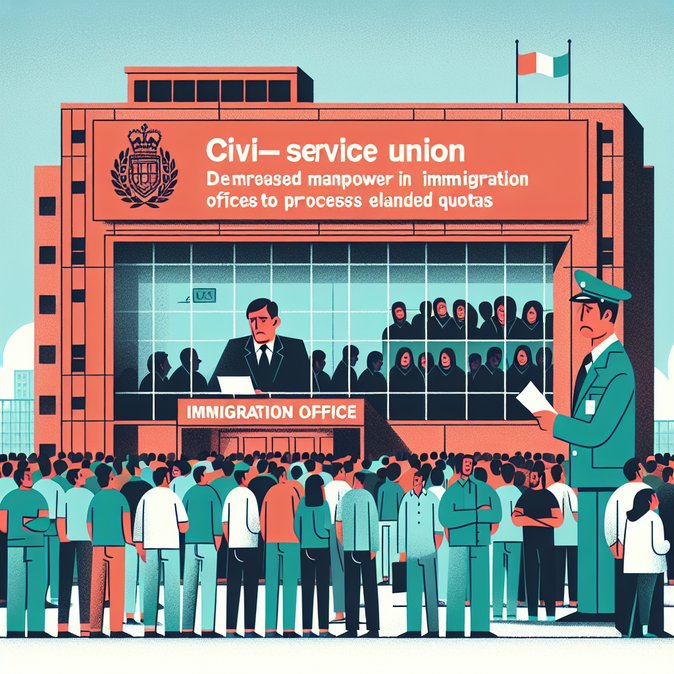
In an open letter dated 25 February, the FLP Interno union pressed interior minister Matteo Piantedosi to convene an emergency bargaining table on staff shortages gripping immigration offices and Sportelli Unici per l’Immigrazione. The union warns that existing head-counts cannot handle the “hundreds of thousands of entries” authorised under the 2026-2028 decreto flussi, nor the new security-decree tasks such as digital border checks.
FLP Interno notes that about 1,200 temporary agency workers are currently covering administrative duties and must be replaced by permanent civil servants if backlogs are to be cleared sustainably. It also calls for reallocating police officers who have been diverted to clerical immigration work so they can return to frontline duties.
![Interior-ministry union demands staffing boost for immigration offices as 2026 flow quotas swell]()
Amid these uncertainties, companies and assignees facing Italian immigration procedures can turn to VisaHQ for hands-on support. The platform helps secure appointment slots, monitor nulla osta progress and organise document submissions, smoothing the way even when prefectures are overloaded; see https://www.visahq.com/italy/ for the service overview.
The letter follows media reports of six-month waits for appointment slots in major prefectures. Pending hires require authorisation from both the public-function department and the finance ministry—a process the union says is too slow given the spike in quota volumes. For employers the staffing crunch translates into longer processing times for nulla osta certificates and residence-permit issuance, directly affecting onboarding schedules. Mobility teams should budget additional lead-time and monitor local prefecture advisories; some provinces are piloting evening shifts and online document uploads to cut queues. The interior ministry has not yet responded publicly, but sources indicate a temporary measure to extend the contracts of agency staff through the summer while recruitment competitions are launched.
FLP Interno notes that about 1,200 temporary agency workers are currently covering administrative duties and must be replaced by permanent civil servants if backlogs are to be cleared sustainably. It also calls for reallocating police officers who have been diverted to clerical immigration work so they can return to frontline duties.

Amid these uncertainties, companies and assignees facing Italian immigration procedures can turn to VisaHQ for hands-on support. The platform helps secure appointment slots, monitor nulla osta progress and organise document submissions, smoothing the way even when prefectures are overloaded; see https://www.visahq.com/italy/ for the service overview.
The letter follows media reports of six-month waits for appointment slots in major prefectures. Pending hires require authorisation from both the public-function department and the finance ministry—a process the union says is too slow given the spike in quota volumes. For employers the staffing crunch translates into longer processing times for nulla osta certificates and residence-permit issuance, directly affecting onboarding schedules. Mobility teams should budget additional lead-time and monitor local prefecture advisories; some provinces are piloting evening shifts and online document uploads to cut queues. The interior ministry has not yet responded publicly, but sources indicate a temporary measure to extend the contracts of agency staff through the summer while recruitment competitions are launched.