Britain’s long-promised digital-by-default visa system goes live today, and Indian applicants are first in line. From 25 February 2026, all UK visas issued in India—tourist, student, work or settlement—will be electronic records (eVisas) linked to a UKVI online account. Applicants must still attend a Visa Application Centre (VAC) once for biometrics, but their passports are returned the same day, eliminating the multi-week “passport in limbo” period dreaded by frequent flyers. (timesofindia.indiatimes.com)
The change follows smaller pilots run in the Gulf and parts of Africa last year and is a prerequisite for Britain’s Electronic Travel Authorisation (ETA) ecosystem. For Indians, who lodged over 5.5 lakh visitor-visa applications between August 2024 and September 2025, the eVisa means they can apply for other country visas or travel domestically while the UK decision is pending. (timesofindia.indiatimes.com)
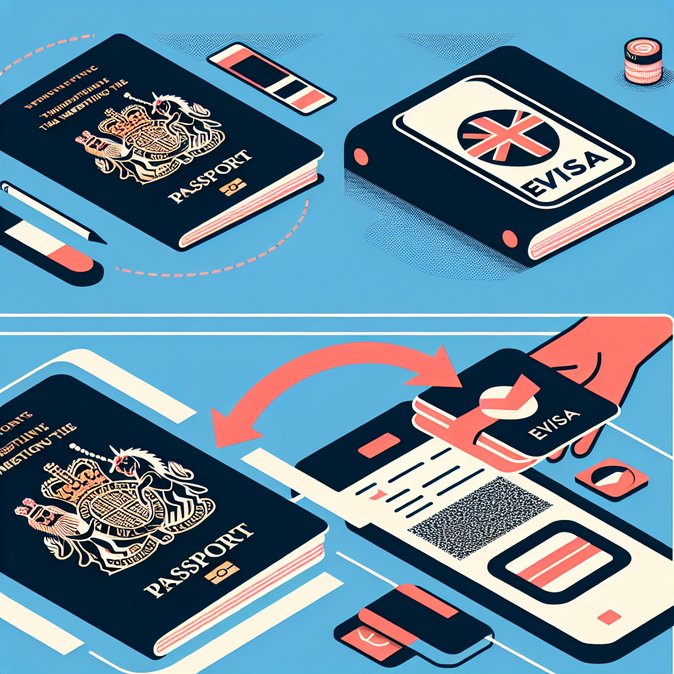
How it works: once biometrics are captured, applicants create or log into a UKVI account, where the visa is issued digitally. Airlines and border officers scan the passport; the backend verifies the eVisa in seconds—no vignette stickers required. Travellers must, however, carry the same passport used in the application; an expired or renewed passport requires the eVisa to be “re-linked” online. (timesofindia.indiatimes.com)
![UK Rolls Out eVisas for Indians—No More Passport Drop-Off During Processing]()
For travellers who prefer expert assistance, VisaHQ can streamline the entire process: its India portal (https://www.visahq.com/india/) offers step-by-step guidance, document checks and status tracking for the new UK eVisa as well as visas to more than 200 other destinations, making it easier to coordinate multi-country itineraries.
Travel agents welcome the move, saying group tours can now lodge UK and Schengen visas in parallel, reducing itinerary risk. Universities expect smoother arrivals this autumn because students can retain passports to open bank accounts or arrange French or Irish visits before term. (timesofindia.indiatimes.com)
There are caveats: families must create individual UKVI accounts—even for minors—and digital-status proof relies on functioning smartphones or printed QR codes. Immigration lawyers also warn that technical glitches could strand travellers at the gate until airline staff are trained. The Home Office says contingency desks will monitor the roll-out for the first month. (timesofindia.indiatimes.com)
The change follows smaller pilots run in the Gulf and parts of Africa last year and is a prerequisite for Britain’s Electronic Travel Authorisation (ETA) ecosystem. For Indians, who lodged over 5.5 lakh visitor-visa applications between August 2024 and September 2025, the eVisa means they can apply for other country visas or travel domestically while the UK decision is pending. (timesofindia.indiatimes.com)
How it works: once biometrics are captured, applicants create or log into a UKVI account, where the visa is issued digitally. Airlines and border officers scan the passport; the backend verifies the eVisa in seconds—no vignette stickers required. Travellers must, however, carry the same passport used in the application; an expired or renewed passport requires the eVisa to be “re-linked” online. (timesofindia.indiatimes.com)

For travellers who prefer expert assistance, VisaHQ can streamline the entire process: its India portal (https://www.visahq.com/india/) offers step-by-step guidance, document checks and status tracking for the new UK eVisa as well as visas to more than 200 other destinations, making it easier to coordinate multi-country itineraries.
Travel agents welcome the move, saying group tours can now lodge UK and Schengen visas in parallel, reducing itinerary risk. Universities expect smoother arrivals this autumn because students can retain passports to open bank accounts or arrange French or Irish visits before term. (timesofindia.indiatimes.com)
There are caveats: families must create individual UKVI accounts—even for minors—and digital-status proof relies on functioning smartphones or printed QR codes. Immigration lawyers also warn that technical glitches could strand travellers at the gate until airline staff are trained. The Home Office says contingency desks will monitor the roll-out for the first month. (timesofindia.indiatimes.com)