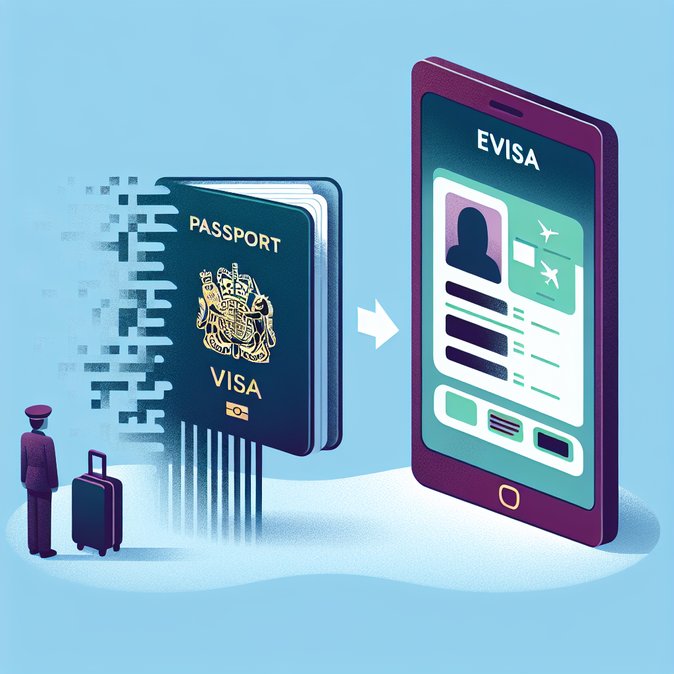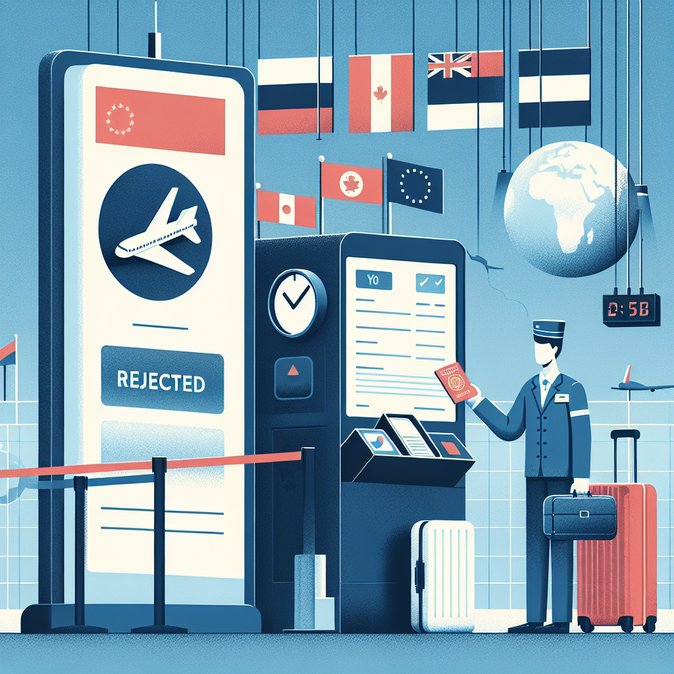
In a written ministerial statement, Immigration Minister Tom Pursglove confirmed that the UK’s long-standing Carrier Liability Regulations now apply to electronic permission-to-travel results produced by the Home Office’s Advance Passenger Information (API) gateway. Airlines, ferry companies and private-jet operators that transport any passenger lacking a valid ETA or eVisa after 25 February 2026 are liable for penalties of up to £10,000 per person. The shift closes a perceived enforcement gap; until today carriers faced fines only for carrying visa nationals without a visa, while ETA breaches incurred no automatic penalty. The Home Office said it has trained more than 55,000 check-in agents worldwide and completed system integrations with 250 air and sea carriers.
![UK warns airlines of hefty fines as carrier-liability rules extended to digital checks]()
Travellers and travel managers seeking to avoid costly boarding denials can simplify compliance by using VisaHQ’s online platform, which monitors UK ETA and eVisa requirements alongside entry rules for more than 200 other destinations. Its automated reminders and document-matching tools—available at https://www.visahq.com/united-kingdom/—help ensure that passport details align with booking records, reducing the risk of “no-permission” responses and the fines carriers may later pass on to clients.
Industry groups worry about false negatives where a traveller’s passport details in their UKVI account do not match an airline booking, potentially generating an automated ‘no-permission’ response. The Board of Airline Representatives in the UK (BAR UK) has urged members to implement manual override protocols and maintain liaison contacts at UK Border Force. For corporate travel managers the financial exposure is indirect but real: carriers recoup fines through invoice surcharges or by charging travellers for re-ticketing. Embedding a final permission-check step into departure-control messaging, and reminding employees to update eVisa details after passport renewal, will reduce rejected-boarding incidents.

Travellers and travel managers seeking to avoid costly boarding denials can simplify compliance by using VisaHQ’s online platform, which monitors UK ETA and eVisa requirements alongside entry rules for more than 200 other destinations. Its automated reminders and document-matching tools—available at https://www.visahq.com/united-kingdom/—help ensure that passport details align with booking records, reducing the risk of “no-permission” responses and the fines carriers may later pass on to clients.
Industry groups worry about false negatives where a traveller’s passport details in their UKVI account do not match an airline booking, potentially generating an automated ‘no-permission’ response. The Board of Airline Representatives in the UK (BAR UK) has urged members to implement manual override protocols and maintain liaison contacts at UK Border Force. For corporate travel managers the financial exposure is indirect but real: carriers recoup fines through invoice surcharges or by charging travellers for re-ticketing. Embedding a final permission-check step into departure-control messaging, and reminding employees to update eVisa details after passport renewal, will reduce rejected-boarding incidents.