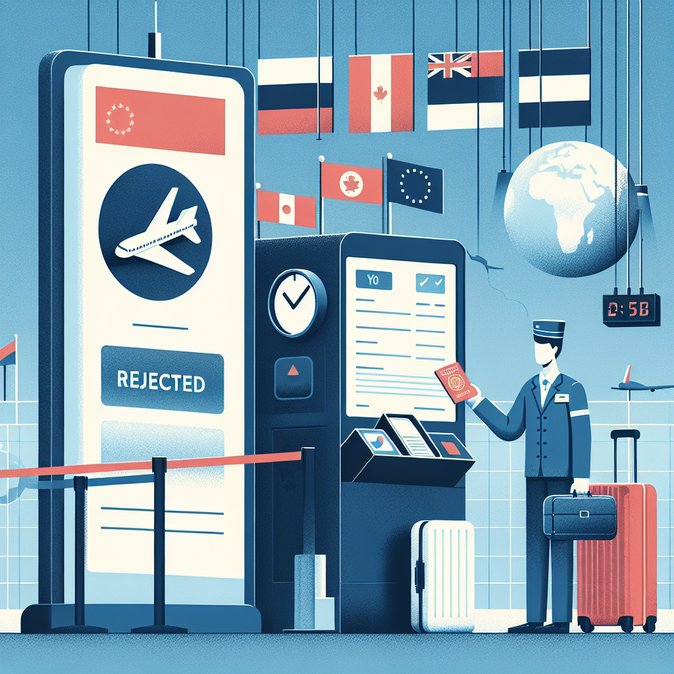
The UK Home Office has closed a long-standing loophole that allowed dual British citizens to enter the country on their non-British passport. From 25 February 2026, check-in systems will flag such passengers as ineligible for an ETA and therefore lacking permission to travel unless they present a British or Irish passport—or a Certificate of Entitlement to the Right of Abode—at the desk.
![Dual British citizens lose foreign-passport work-around at UK border]()
Amid these tighter controls, VisaHQ can streamline the paperwork: its dedicated UK portal (https://www.visahq.com/united-kingdom/) enables travellers and HR teams to verify document validity, arrange passport renewals, and secure any complementary certificates well ahead of departure, helping dual nationals avoid costly disruptions.
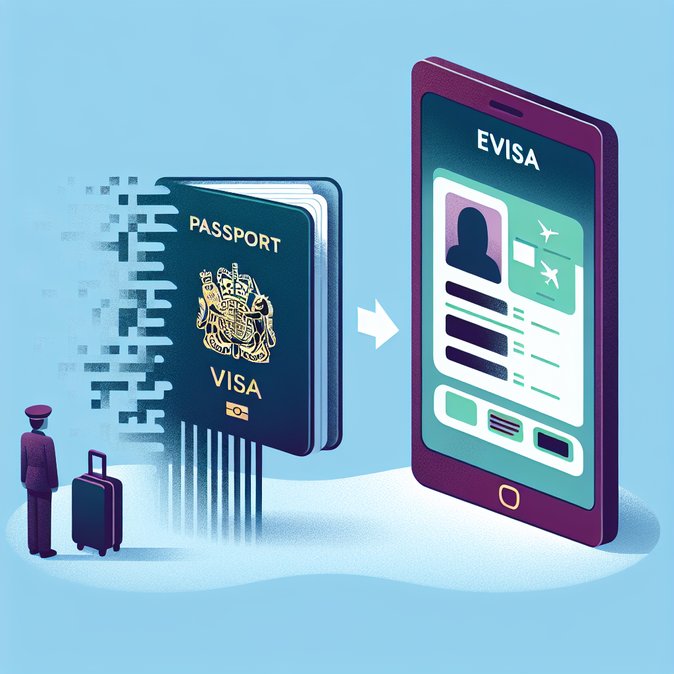
The change stems from the same database rules that underpin the new eVisa and ETA regimes: the system identifies nationality from passport data and will not issue an ETA to anyone recognised as British. Carriers cannot override the Home Office feed without risking fines, so they will deny boarding even if the traveller can ‘prove’ British citizenship through other means. For British professionals living overseas—particularly in the Gulf, where renewing a UK passport can take time—the shift demands urgent passport housekeeping. HR teams managing commuter assignments or home-leave travel should audit dual nationals’ documents now and factor in lead time for passport renewals. British embassies have reported a 35 % increase in emergency passport appointments since the requirement was trailed last November, and the Passport Office has added weekend processing shifts to keep average turnaround at ten days. Travellers who arrive at the UK border on the ‘wrong’ passport face secondary-line checks and potential refusal of entry; worst-case scenarios include airline-imposed re-routing costs that employers may end up covering.

Amid these tighter controls, VisaHQ can streamline the paperwork: its dedicated UK portal (https://www.visahq.com/united-kingdom/) enables travellers and HR teams to verify document validity, arrange passport renewals, and secure any complementary certificates well ahead of departure, helping dual nationals avoid costly disruptions.
The change stems from the same database rules that underpin the new eVisa and ETA regimes: the system identifies nationality from passport data and will not issue an ETA to anyone recognised as British. Carriers cannot override the Home Office feed without risking fines, so they will deny boarding even if the traveller can ‘prove’ British citizenship through other means. For British professionals living overseas—particularly in the Gulf, where renewing a UK passport can take time—the shift demands urgent passport housekeeping. HR teams managing commuter assignments or home-leave travel should audit dual nationals’ documents now and factor in lead time for passport renewals. British embassies have reported a 35 % increase in emergency passport appointments since the requirement was trailed last November, and the Passport Office has added weekend processing shifts to keep average turnaround at ten days. Travellers who arrive at the UK border on the ‘wrong’ passport face secondary-line checks and potential refusal of entry; worst-case scenarios include airline-imposed re-routing costs that employers may end up covering.