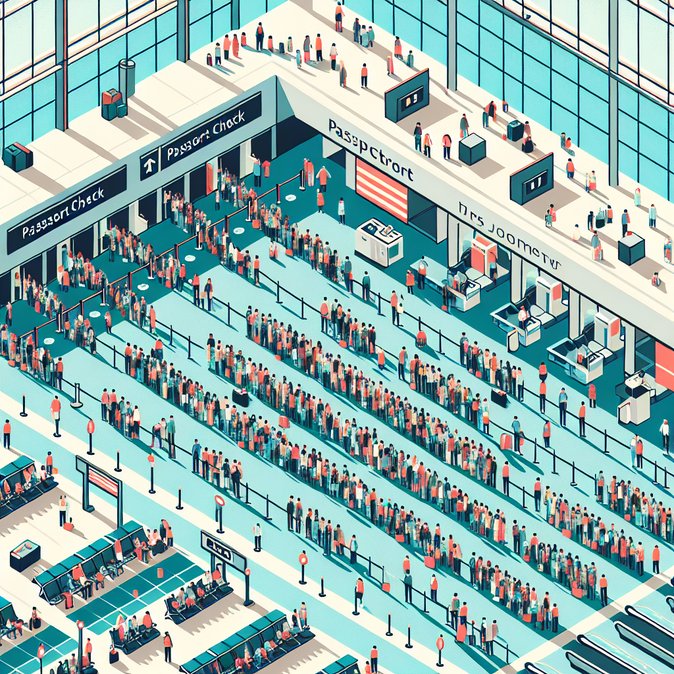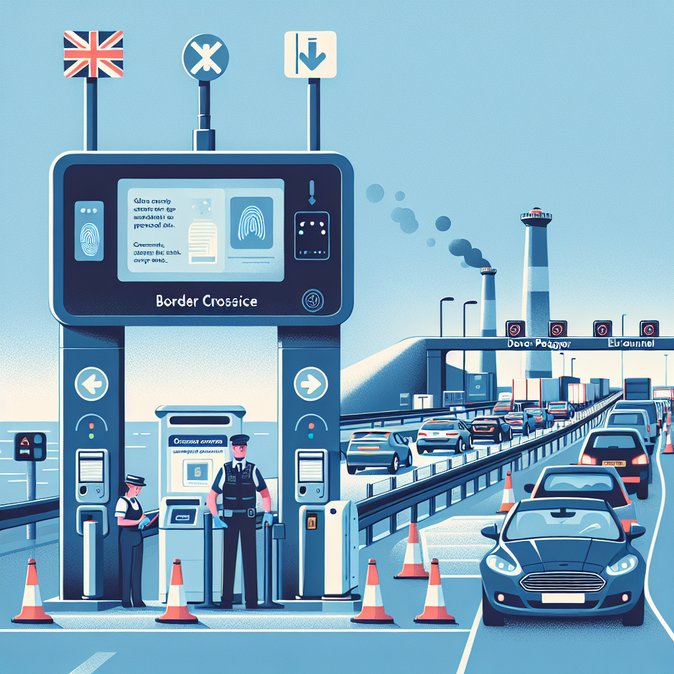
The long-awaited extension of the EU Entry/Exit System to car passengers using the Port of Dover and Eurotunnel has been pushed back for the second time after French authorities reported connectivity problems between border-control kiosks and central databases. UK officials told the BBC that dozens of fingerprint and facial-recognition terminals installed on the English side cannot yet exchange data reliably with French servers.
The delay means motorists will not have to provide biometric data for at least another six weeks, although lorry drivers and coach passengers remain subject to EES registration. A French Interior Ministry spokesperson said engineers were "finalising technical work" and that system stability would be verified in a joint Franco-British test before a new go-live date is announced.
![French Tech Glitch Delays Dover & Eurotunnel EES Launch Yet Again]()
Travellers looking for a single, reliable resource to stay on top of changing French entry procedures can use VisaHQ’s platform, which streamlines visa and passport checks and sends update alerts; details are available at https://www.visahq.com/france/
For cross-Channel commuters and companies that rotate staff between UK and French sites, the reprieve offers short-term relief but underscores the fragility of the technology underpinning Europe’s new border architecture. Carriers still face an April 10 deadline to verify EES status before boarding once the system is fully live; failure to do so can incur fines.
Mobility teams should continue to brief travellers on likely procedural changes, ensure passports have at least two blank pages for manual stamps during the interim, and budget extra transit time once EES does launch. Employers moving goods via driver-accompanied freight should also monitor guidance from Eurotunnel and the Port of Dover on lane allocation and pre-boarding document checks.
The delay means motorists will not have to provide biometric data for at least another six weeks, although lorry drivers and coach passengers remain subject to EES registration. A French Interior Ministry spokesperson said engineers were "finalising technical work" and that system stability would be verified in a joint Franco-British test before a new go-live date is announced.

Travellers looking for a single, reliable resource to stay on top of changing French entry procedures can use VisaHQ’s platform, which streamlines visa and passport checks and sends update alerts; details are available at https://www.visahq.com/france/
For cross-Channel commuters and companies that rotate staff between UK and French sites, the reprieve offers short-term relief but underscores the fragility of the technology underpinning Europe’s new border architecture. Carriers still face an April 10 deadline to verify EES status before boarding once the system is fully live; failure to do so can incur fines.
Mobility teams should continue to brief travellers on likely procedural changes, ensure passports have at least two blank pages for manual stamps during the interim, and budget extra transit time once EES does launch. Employers moving goods via driver-accompanied freight should also monitor guidance from Eurotunnel and the Port of Dover on lane allocation and pre-boarding document checks.