Holiday-makers and executives landing in Spain this summer will not have to navigate the full biometric border gauntlet just yet. Brussels confirmed on 24 February that the EU’s new Entry/Exit System (EES) will now launch in September 2026, pushing the linked ETIAS travel authorisation to 2027.(euroweeklynews.com)
Spanish hubs such as Barcelona-El Prat and Málaga had already installed hundreds of fingerprint and face-recognition kiosks during pilot tests. Those trials revealed that inexperienced travellers could double processing times at peak hours, raising safety and capacity concerns—particularly during Spain’s record summer tourist flows. Airport operator Aena and airline groups lobbied hard for a delay, arguing that unfinished IT interfaces and lack of trained staff risked gridlock.(euroweeklynews.com)
Whether you are a first-time visitor or manage travel for an entire workforce, VisaHQ can streamline the paperwork maze. The platform offers step-by-step guidance, automated reminders, and real-time alerts on Spain’s EES and ETIAS developments, helping you secure the right documents long before you reach the airport—see more at https://www.visahq.com/spain/
![EU Postpones Biometric Entry/Exit System, Giving Spain’s Airports Time to Breathe]()
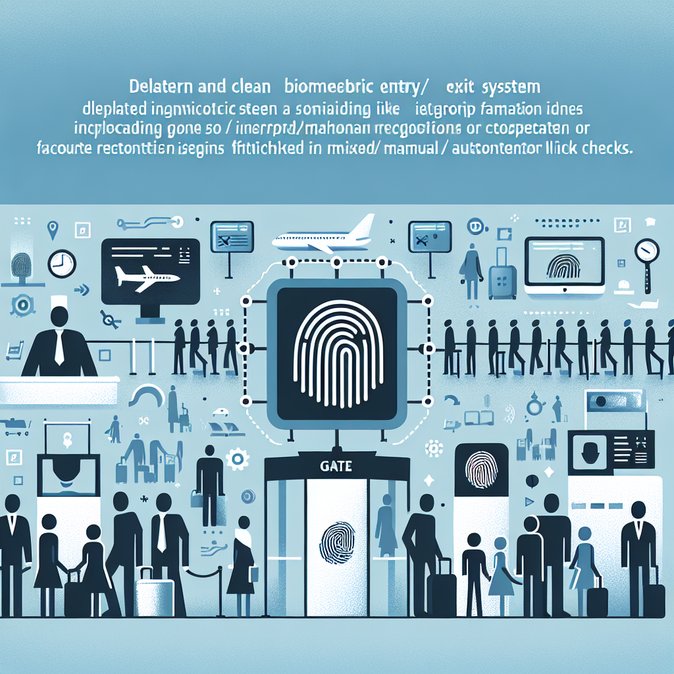
Under the revised timeline, passengers will experience a hybrid model for at least another 18 months: traditional passport stamps at quieter desks, automated kiosks at busier ones. Carriers will also postpone the costly task of integrating EES-status checks into their boarding systems. For travel-management teams the message is simple: keep buffer time in itineraries and monitor which Spanish gateways activate kiosks first.
The deferment likewise stalls ETIAS fees for visa-exempt nationals—good news for U.S., U.K. and many Latin-American visitors, as Spain remains their top Schengen destination. Yet the reprieve is temporary; companies should budget for the €7-€20 fee per traveller once the system finally settles.
Strategically, the pause allows Spain’s interior ministry to align EES data with its own overstays-monitoring tools and to avoid reputational damage from summer-season chaos. The bigger win may be passenger confidence: a smoother, phased roll-out beats a headline-grabbing meltdown.
Spanish hubs such as Barcelona-El Prat and Málaga had already installed hundreds of fingerprint and face-recognition kiosks during pilot tests. Those trials revealed that inexperienced travellers could double processing times at peak hours, raising safety and capacity concerns—particularly during Spain’s record summer tourist flows. Airport operator Aena and airline groups lobbied hard for a delay, arguing that unfinished IT interfaces and lack of trained staff risked gridlock.(euroweeklynews.com)
Whether you are a first-time visitor or manage travel for an entire workforce, VisaHQ can streamline the paperwork maze. The platform offers step-by-step guidance, automated reminders, and real-time alerts on Spain’s EES and ETIAS developments, helping you secure the right documents long before you reach the airport—see more at https://www.visahq.com/spain/

Under the revised timeline, passengers will experience a hybrid model for at least another 18 months: traditional passport stamps at quieter desks, automated kiosks at busier ones. Carriers will also postpone the costly task of integrating EES-status checks into their boarding systems. For travel-management teams the message is simple: keep buffer time in itineraries and monitor which Spanish gateways activate kiosks first.
The deferment likewise stalls ETIAS fees for visa-exempt nationals—good news for U.S., U.K. and many Latin-American visitors, as Spain remains their top Schengen destination. Yet the reprieve is temporary; companies should budget for the €7-€20 fee per traveller once the system finally settles.
Strategically, the pause allows Spain’s interior ministry to align EES data with its own overstays-monitoring tools and to avoid reputational damage from summer-season chaos. The bigger win may be passenger confidence: a smoother, phased roll-out beats a headline-grabbing meltdown.