The United Kingdom has introduced immediate sanitary restrictions on a range of animal products originating from Cyprus after the island confirmed cases of Foot-and-Mouth Disease (FMD) in cattle and sheep near Larnaca. A Defra press release dated 25 February 2026 orders commercial consignments of live ruminants, fresh meat and untreated dairy to be held or re-exported while risk assessments continue.
![UK Imposes Import Safeguards After Foot-and-Mouth Disease Confirmed in Cyprus]()
For businesses and travellers needing to adjust plans at short notice, specialist visa and document services such as VisaHQ can smooth the process. VisaHQ’s Cyprus portal (https://www.visahq.com/cyprus/) provides up-to-date guidance on entry requirements, health certificates and customs documentation, allowing logistics teams and assignees to compile the right paperwork quickly and avoid extra disruption.
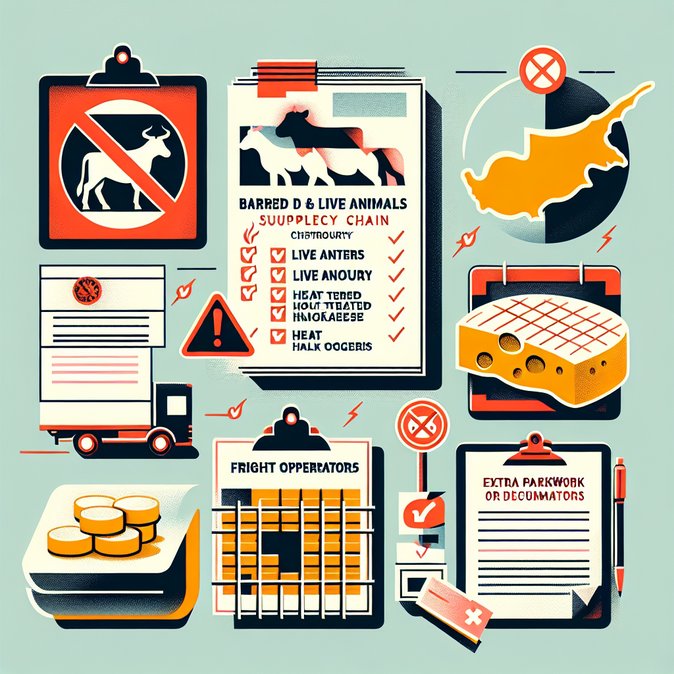
Although the measures target goods rather than people, they have tangible mobility consequences for logistics providers and Cypriot exporters. Hauliers carrying halloumi, meat preparations or animal by-products must prove heat treatment or other mitigation steps before consignments will clear UK Border Control Posts. The Animal and Plant Health Agency (APHA) has told freight forwarders to expect enhanced documentary checks and physical inspections at ports including Dover and Liverpool. Cyprus exported roughly €28 million of animal and dairy products to the UK in 2025, and industry groups fear shipment delays could jeopardise retail contracts in the pre-Easter period. Some high-street chains have already switched to Greek or Bulgarian halloumi to avoid uncertainty, according to the Cyprus Agricultural Products Board. For mobility managers the episode is a reminder that veterinary emergencies can spill over into business travel and assignment planning. Companies relocating staff with pets should verify quarantine rules, and project teams moving scientific samples or catering equipment need to check whether temporary-import carnets are still accepted. Defra stresses that FMD poses no risk to human health, but warns that personal imports of meat and dairy from Cyprus remain prohibited. The UK Chief Veterinary Officer urged travellers “to be scrupulous” about not bringing back sandwiches or souvenirs that could harbour the virus.

For businesses and travellers needing to adjust plans at short notice, specialist visa and document services such as VisaHQ can smooth the process. VisaHQ’s Cyprus portal (https://www.visahq.com/cyprus/) provides up-to-date guidance on entry requirements, health certificates and customs documentation, allowing logistics teams and assignees to compile the right paperwork quickly and avoid extra disruption.
Although the measures target goods rather than people, they have tangible mobility consequences for logistics providers and Cypriot exporters. Hauliers carrying halloumi, meat preparations or animal by-products must prove heat treatment or other mitigation steps before consignments will clear UK Border Control Posts. The Animal and Plant Health Agency (APHA) has told freight forwarders to expect enhanced documentary checks and physical inspections at ports including Dover and Liverpool. Cyprus exported roughly €28 million of animal and dairy products to the UK in 2025, and industry groups fear shipment delays could jeopardise retail contracts in the pre-Easter period. Some high-street chains have already switched to Greek or Bulgarian halloumi to avoid uncertainty, according to the Cyprus Agricultural Products Board. For mobility managers the episode is a reminder that veterinary emergencies can spill over into business travel and assignment planning. Companies relocating staff with pets should verify quarantine rules, and project teams moving scientific samples or catering equipment need to check whether temporary-import carnets are still accepted. Defra stresses that FMD poses no risk to human health, but warns that personal imports of meat and dairy from Cyprus remain prohibited. The UK Chief Veterinary Officer urged travellers “to be scrupulous” about not bringing back sandwiches or souvenirs that could harbour the virus.