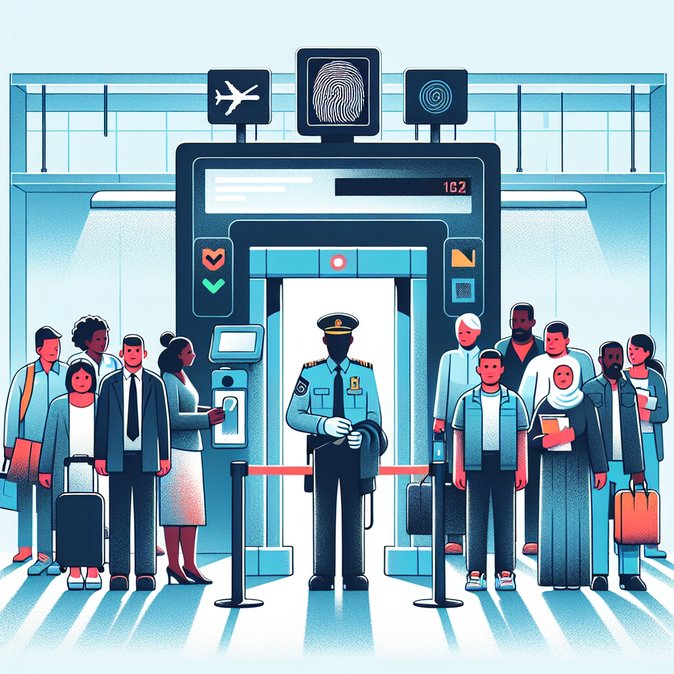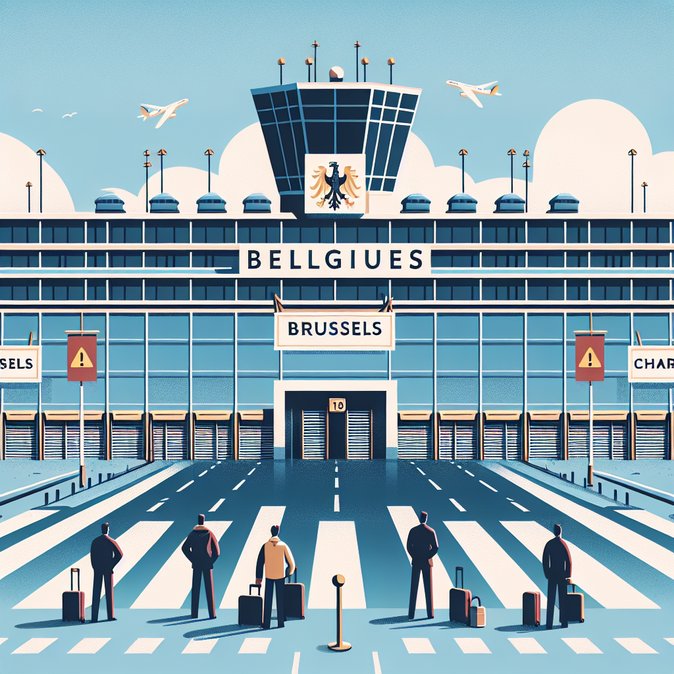
Belgium’s three largest trade-union confederations – the socialist FGTB, the Christian-democratic ACV-CSC and the liberal ACLVB – filed a 24-hour strike notice for 12 March, protesting the Federal Government’s new austerity package. Although the walk-out is still two weeks away, Brussels Airport (Zaventem) and Charleroi Airport have already begun scenario-planning after previous nationwide strikes paralysed up to 80 % of departures.
![National Strike Notice Prompts Belgian Airports to Prepare for Major Flight Disruptions in March]()
Amid this uncertainty, travellers scrambling for last-minute itinerary changes should also verify that their passport or Schengen-visa particulars are in order. VisaHQ’s Belgium portal (https://www.visahq.com/belgium/) can expedite renewals, provide real-time entry-requirement updates and handle courier submission on behalf of corporate travel departments, saving precious time when flights are being rebooked at short notice.
Airport management told The Brussels Times that they expect the stoppage to affect security screening, baggage handling, aircraft fuelling and even air-traffic-control staffing levels. Airlines have therefore been asked to submit revised flight schedules by 1 March so that passenger re-booking can begin early. Some carriers, including Brussels Airlines and Ryanair, are reportedly considering operating “protective” ferry flights from nearby hubs such as Amsterdam and Paris CDG to reposition aircraft and crew. For travel-managers the timing could hardly be worse: Eurocontrol’s slot outlook already shows tight capacity on 11–13 March due to runway works at Frankfurt and strikes announced by French air-traffic controllers. Companies with critical meetings are being advised to shift departures to 11 March or, where feasible, use Eurostar rail services from Brussels-Midi. Under EU261, passengers whose flight is cancelled because of a general strike are usually **not** entitled to compensation, but airlines must still offer re-routing or a refund plus meals and accommodation. Mobility teams should therefore brief travellers to keep receipts and to check whether their corporate travel insurance covers costs not reimbursed by carriers. The episode underscores how labour-relations issues remain a persistent operational risk in Belgium’s aviation sector. While the government is trying to contain public-sector wage growth, unions insist that inflation-indexation clauses are “non-negotiable”. If talks break down, a second strike round could coincide with the Easter peak, magnifying the business-travel impact.

Amid this uncertainty, travellers scrambling for last-minute itinerary changes should also verify that their passport or Schengen-visa particulars are in order. VisaHQ’s Belgium portal (https://www.visahq.com/belgium/) can expedite renewals, provide real-time entry-requirement updates and handle courier submission on behalf of corporate travel departments, saving precious time when flights are being rebooked at short notice.
Airport management told The Brussels Times that they expect the stoppage to affect security screening, baggage handling, aircraft fuelling and even air-traffic-control staffing levels. Airlines have therefore been asked to submit revised flight schedules by 1 March so that passenger re-booking can begin early. Some carriers, including Brussels Airlines and Ryanair, are reportedly considering operating “protective” ferry flights from nearby hubs such as Amsterdam and Paris CDG to reposition aircraft and crew. For travel-managers the timing could hardly be worse: Eurocontrol’s slot outlook already shows tight capacity on 11–13 March due to runway works at Frankfurt and strikes announced by French air-traffic controllers. Companies with critical meetings are being advised to shift departures to 11 March or, where feasible, use Eurostar rail services from Brussels-Midi. Under EU261, passengers whose flight is cancelled because of a general strike are usually **not** entitled to compensation, but airlines must still offer re-routing or a refund plus meals and accommodation. Mobility teams should therefore brief travellers to keep receipts and to check whether their corporate travel insurance covers costs not reimbursed by carriers. The episode underscores how labour-relations issues remain a persistent operational risk in Belgium’s aviation sector. While the government is trying to contain public-sector wage growth, unions insist that inflation-indexation clauses are “non-negotiable”. If talks break down, a second strike round could coincide with the Easter peak, magnifying the business-travel impact.
More From Belgium
View all
Ombudsman Finds More Than 6,000 Aviation & Noise-Rule Breaches at Brussels Airport in 2025

UK Makes Electronic Travel Authorisation Mandatory—Belgian Travellers Now Need Digital Permission Before Boarding