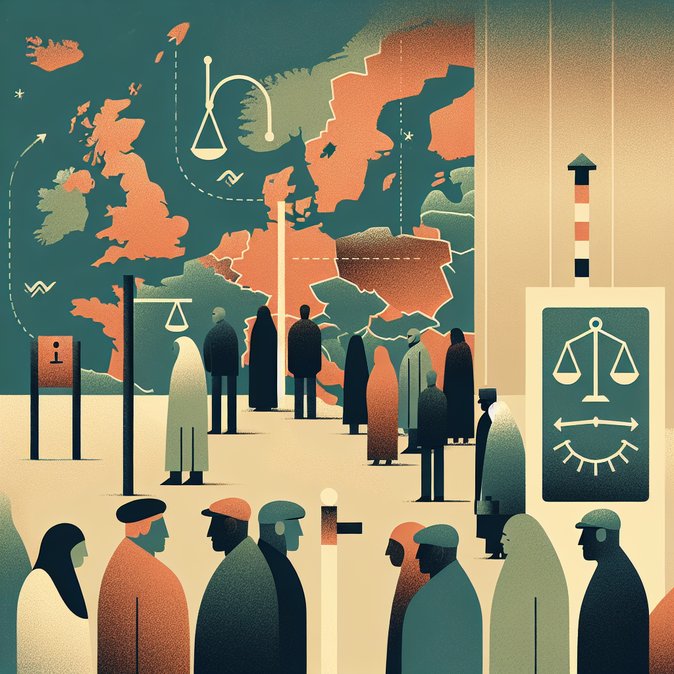
An international coalition of human-rights groups led by Brussels-based 11.11.11 released its annual pushback tracker on 24 February, documenting at least 80,865 cases of migrants being forcibly returned across Europe’s external borders in 2025. The 120-page report singles out the Polish-Belarus border as one of five “systematic violation hotspots,” citing 6,300 alleged pushbacks and multiple testimonies of beatings, dog attacks and forced returns through breach points in Poland’s 187-kilometre steel wall.
Researchers compiled open-source videos, satellite imagery and medical records from Médecins Sans Frontières field clinics in Hajnówka to corroborate incidents. Witness statements describe Polish border guards confiscating phones and footwear before escorting groups back to the forest. The report argues that Poland’s 2022 suspension of the right to seek asylum has normalised pushbacks that breach both EU law and the 1951 Refugee Convention.
![NGO Coalition Reports 80,000 Illegal Pushbacks in 2025, Highlights Ongoing Abuses on Polish-Belarus Border]()
For organisations or individuals who nonetheless need to travel to Poland—whether for humanitarian missions, corporate assessments or reporting—VisaHQ can simplify the visa process. Its Poland portal (https://www.visahq.com/poland/) offers real-time entry requirements, document checklists and professional application handling, helping travellers stay compliant amid the rapidly changing regulatory environment.
The authors warn that such practices create reputational risks for companies sending staff or contractors to frontier construction projects, where access restrictions impede labour-rights monitoring. They urge corporate sustainability officers to include border-area site visits in human-rights due-diligence plans and to press Warsaw to allow UN monitors.
Poland’s Border Guard responded in a short statement saying it “acts strictly within national legislation” and accused Minsk of orchestrating the crossings. The NGO coalition counters that externalising border enforcement will only exacerbate humanitarian crises and calls on the European Commission to expedite infringement proceedings.
Researchers compiled open-source videos, satellite imagery and medical records from Médecins Sans Frontières field clinics in Hajnówka to corroborate incidents. Witness statements describe Polish border guards confiscating phones and footwear before escorting groups back to the forest. The report argues that Poland’s 2022 suspension of the right to seek asylum has normalised pushbacks that breach both EU law and the 1951 Refugee Convention.

For organisations or individuals who nonetheless need to travel to Poland—whether for humanitarian missions, corporate assessments or reporting—VisaHQ can simplify the visa process. Its Poland portal (https://www.visahq.com/poland/) offers real-time entry requirements, document checklists and professional application handling, helping travellers stay compliant amid the rapidly changing regulatory environment.
The authors warn that such practices create reputational risks for companies sending staff or contractors to frontier construction projects, where access restrictions impede labour-rights monitoring. They urge corporate sustainability officers to include border-area site visits in human-rights due-diligence plans and to press Warsaw to allow UN monitors.
Poland’s Border Guard responded in a short statement saying it “acts strictly within national legislation” and accused Minsk of orchestrating the crossings. The NGO coalition counters that externalising border enforcement will only exacerbate humanitarian crises and calls on the European Commission to expedite infringement proceedings.