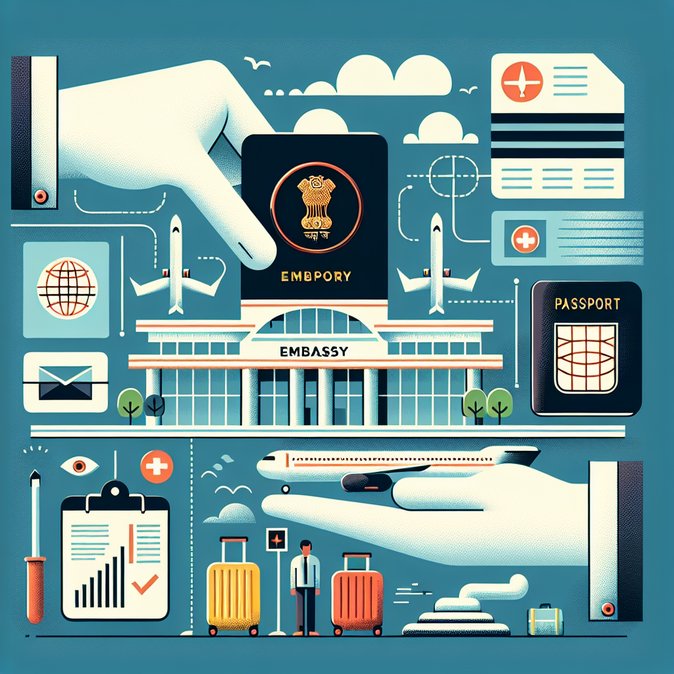
After an Indian influencer claimed he was detained for 38 hours on arrival at Jeju, the Embassy of India in Seoul has issued a detailed advisory reminding travellers that South Korea’s Jeju Island visa-waiver scheme does not guarantee entry. (m.economictimes.com) Admission is solely at the discretion of immigration officers, and visitors can be turned back if documents or explanations are deemed inadequate.
The waiver allows Indians short-term tourism access to Jeju without a pre-arranged visa, but it prohibits onward travel to mainland Korea. The embassy’s checklist now requires printed copies of return tickets, hotel bookings, day-wise itineraries, proof of funds and six-month passport validity.
Travellers unable to “clearly and consistently” describe their plans risk denial.
![Indian Embassy Warns: Jeju Visa-Free Entry Not Guaranteed]()
The advisory also underscores that anyone refused entry will be deported on the next available flight—potentially after an overnight stay in a holding facility. Travel insurance is “strongly recommended” to cover unexpected costs such as additional airfare or accommodation during detention.
For extra help navigating these requirements, VisaHQ’s India portal (https://www.visahq.com/india/) offers real-time entry advice, personalised document checklists and optional visa facilitation services that can streamline paperwork and reduce last-minute surprises at Korean immigration.
For mobility teams this means stricter pre-departure vetting of leisure-cum-business extensions that route staff through Jeju. Companies should brief employees that landing-card interviews can be probing and that friendly demeanor, consistent answers and full paperwork are essential.
Industry watchers expect Korean authorities to keep Jeju’s open-door policy but apply tighter scrutiny as arrivals from India grow. An e-visa pilot for mainland South Korea, announced last year, remains in testing with no firm rollout date.
The waiver allows Indians short-term tourism access to Jeju without a pre-arranged visa, but it prohibits onward travel to mainland Korea. The embassy’s checklist now requires printed copies of return tickets, hotel bookings, day-wise itineraries, proof of funds and six-month passport validity.
Travellers unable to “clearly and consistently” describe their plans risk denial.

The advisory also underscores that anyone refused entry will be deported on the next available flight—potentially after an overnight stay in a holding facility. Travel insurance is “strongly recommended” to cover unexpected costs such as additional airfare or accommodation during detention.
For extra help navigating these requirements, VisaHQ’s India portal (https://www.visahq.com/india/) offers real-time entry advice, personalised document checklists and optional visa facilitation services that can streamline paperwork and reduce last-minute surprises at Korean immigration.
For mobility teams this means stricter pre-departure vetting of leisure-cum-business extensions that route staff through Jeju. Companies should brief employees that landing-card interviews can be probing and that friendly demeanor, consistent answers and full paperwork are essential.
Industry watchers expect Korean authorities to keep Jeju’s open-door policy but apply tighter scrutiny as arrivals from India grow. An e-visa pilot for mainland South Korea, announced last year, remains in testing with no firm rollout date.