Italy prepares new ‘Decreto Flussi’ to admit 500,000 foreign workers over 2026-28
Swiss ‘10-Million Cap’ immigration initiative set for June ballot
Gardaí clear fuel-price protest blockades, restoring road and airport access across Ireland
Latest News
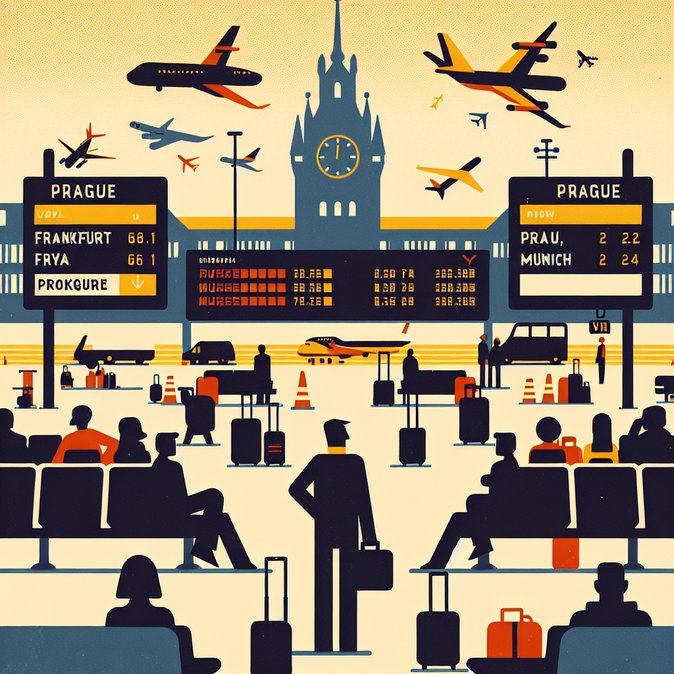
European Flight Chaos Ripple Reaches Prague: Hundreds Face Delays After 9–10 April Disruptions
Delays and cancellations that started at Western-European hubs on 9–10 April spilled into Prague over the weekend, cutting on-time performance on key Prague-Frankfurt and Prague-Munich routes by more than half. Although Prague airport itself had no local fault, knock-on effects from weather, staff shortages and strikes elsewhere stranded business and leisure travellers, illustrating how interconnected European air schedules have become. Companies are warned to extend connection times and keep documentation for potential EU 261 claims.
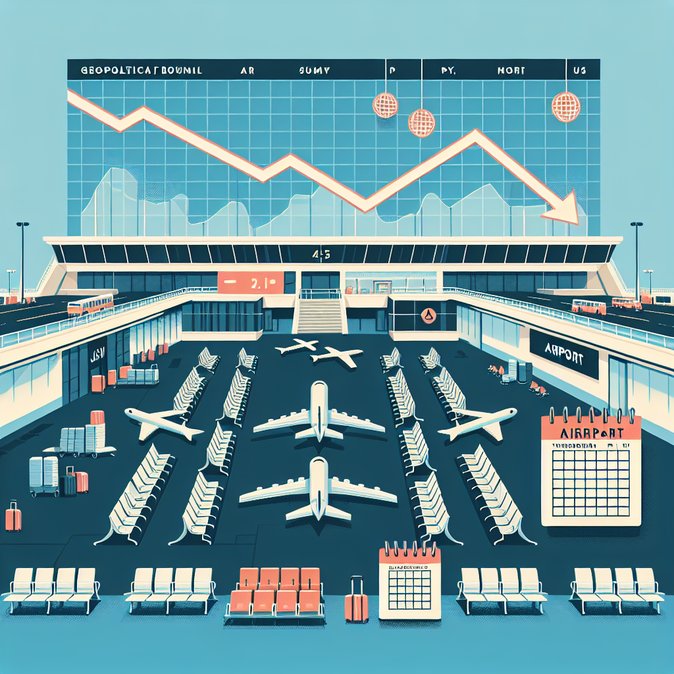
Cyprus Airports See 15.3 % March Passenger Drop as Regional Conflict Hits Mobility
Hermes Airports reported a steep 15.3 % year-on-year fall in March passenger numbers as the Iran–Middle-East conflict disrupted flight schedules and dented tourist bookings. The sudden decline reverses earlier growth, forcing companies to rethink travel budgets and prompting Cypriot authorities to safeguard key routes and relaunch marketing drives. Mobility managers should expect tighter capacity and higher costs through the summer.

UK Home Office to Shut 11 Asylum Hotels This Week in Major Push to End Hotel Accommodation
The Home Office will close 11 asylum hotels in the coming week as part of a pledge to eliminate hotel use altogether. About 30,000 people remain in such accommodation, which costs nearly £8 million a day. The closures dovetail with a £10 billion tender for new long-term asylum housing contracts aimed at ending reliance on hotels. Businesses should anticipate stricter compliance checks but may benefit from greater hotel availability in key UK cities once rooms return to the market.
Lufthansa pilots call 48-hour strike for 13–14 April, threatening major disruption at German hubs
Pilots at Lufthansa will strike for two full days on 13–14 April, following recent cabin-crew action. About 1,200 flights have already been cancelled, with severe disruption expected at Frankfurt and Munich. The walk-out heightens uncertainty for business travellers and air-cargo shippers and forces companies to activate contingency plans. Why it matters: Germany’s role as a European hub means delays quickly cascade across global supply chains and international assignments.

New border law leaves thousands of refugee claimants—including Gaza kidney donor—in limbo
A Canadian Press story reveals how Ottawa’s new Bill C-12 is reshaping asylum processing: roughly 30,000 claimants have received letters warning they may be barred from a full refugee hearing if they filed more than a year after first entering Canada. One such claimant is a Palestinian kidney donor now trapped in legal limbo. Employers should review the status of any staff whose work authorisation depends on pending refugee claims.

Experts urge Australia to set immigration targets for a ‘stable temporary population’
A new ANU report recommends that Australia set a hard cap on the number of people allowed to live in the country on temporary visas at any one time. The authors say managing the “stock” of temporary migrants – now 6 % of the population – would relieve pressure on housing and infrastructure while allowing government to calibrate permanent-residence pathways. If adopted, the proposal would reshape corporate mobility programmes and university recruitment strategies.
China’s Busiest Airports Suffer Wave of Cancellations and 1,400-Plus Delays in One Day
Severe weather and air-traffic restrictions on 12 April triggered 1,439 delays and 164 cancellations across China’s largest airports, snarling domestic and international connections. The incident underlines continuing vulnerability in China’s high-volume hub network and highlights the need for robust corporate travel contingencies.
Lufthansa pilot strike triggers new round of cancellations at Swiss airports
A 48-hour pilot strike at Lufthansa beginning Monday will cancel or delay multiple services to and from Zurich, Geneva and Basel. The disruption threatens Swiss business travel links via Frankfurt and Munich, heightens pressure on alternative hubs and may snarl air-freight flows critical to the pharma sector. Companies should prepare contingency routings and budget for EU261 compensation.