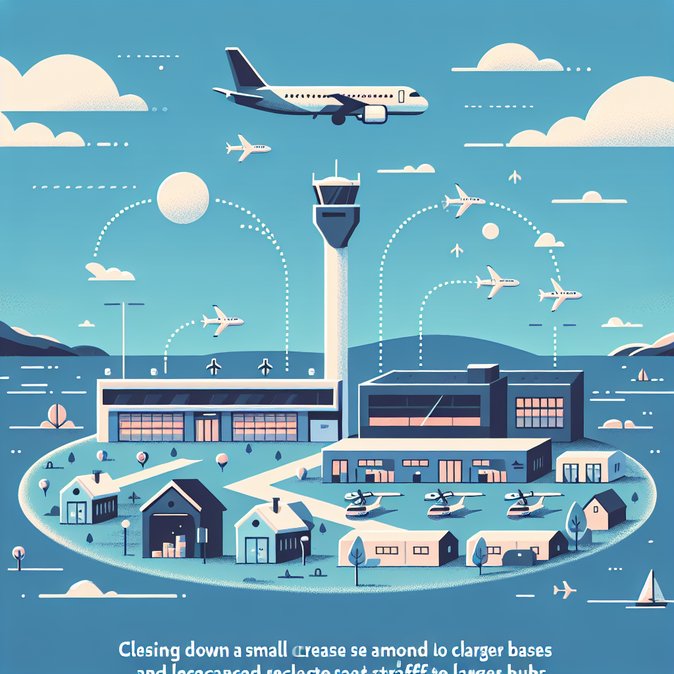
QantasLink has confirmed it will shutter its flight- and cabin-crew bases in Canberra, Hobart and Mildura from April 2026, displacing 71 employees who will be offered redeployment to larger hubs. Management argues the consolidation will improve operational resilience: during weather or technical disruptions spare crew will be concentrated in Adelaide, Brisbane, Melbourne and Sydney, reducing knock-on cancellations.
Local governments, tourism bodies and unions say the decision undercuts years of investment in decentralised aviation. Canberra Airport CEO Stephen Byron warned that losing on-site crew makes it harder to add early-morning departures prized by business travellers, while Tourism Tasmania fears higher turn-around times could deter conference organisers who rely on same-day connections.
The closures land while a Senate inquiry is investigating the sustainability of regional aviation. Witnesses have repeatedly highlighted that reliable air links underpin the mobility of fly-in-fly-out professionals, medical specialists and public servants. Qantas told the committee its regional network is still 8 % below 2019 capacity and that pooling crew is necessary to claw back punctuality after last year’s on-time performance dipped below 70 % during winter peaks.
![QantasLink to Close Canberra, Hobart and Mildura Crew Bases, Sparking Regional Mobility Fears]()
For affected staff, relocation packages include up to A$20,000 in moving expenses and priority access to internal vacancies. Industrial representatives say they will push for extra housing support in Sydney and Melbourne, where rents are up 12 % year-on-year.
Whether employees are moving interstate or contractors are arriving from overseas to back-fill positions, ensuring the correct travel documentation is in place is crucial. VisaHQ’s Australian portal (https://www.visahq.com/australia/) offers a streamlined way to secure work, transit and visitor visas, giving airlines, suppliers and FIFO workers a single dashboard to manage requirements and avoid costly delays.
Corporate travel buyers serving government and mining clients should monitor schedule changes in GDSs from mid-March onward and alert travellers to potential shifts in flight numbers or aircraft types, especially on the Canberra–Sydney and Hobart–Melbourne corridors.
Local governments, tourism bodies and unions say the decision undercuts years of investment in decentralised aviation. Canberra Airport CEO Stephen Byron warned that losing on-site crew makes it harder to add early-morning departures prized by business travellers, while Tourism Tasmania fears higher turn-around times could deter conference organisers who rely on same-day connections.
The closures land while a Senate inquiry is investigating the sustainability of regional aviation. Witnesses have repeatedly highlighted that reliable air links underpin the mobility of fly-in-fly-out professionals, medical specialists and public servants. Qantas told the committee its regional network is still 8 % below 2019 capacity and that pooling crew is necessary to claw back punctuality after last year’s on-time performance dipped below 70 % during winter peaks.

For affected staff, relocation packages include up to A$20,000 in moving expenses and priority access to internal vacancies. Industrial representatives say they will push for extra housing support in Sydney and Melbourne, where rents are up 12 % year-on-year.
Whether employees are moving interstate or contractors are arriving from overseas to back-fill positions, ensuring the correct travel documentation is in place is crucial. VisaHQ’s Australian portal (https://www.visahq.com/australia/) offers a streamlined way to secure work, transit and visitor visas, giving airlines, suppliers and FIFO workers a single dashboard to manage requirements and avoid costly delays.
Corporate travel buyers serving government and mining clients should monitor schedule changes in GDSs from mid-March onward and alert travellers to potential shifts in flight numbers or aircraft types, especially on the Canberra–Sydney and Hobart–Melbourne corridors.