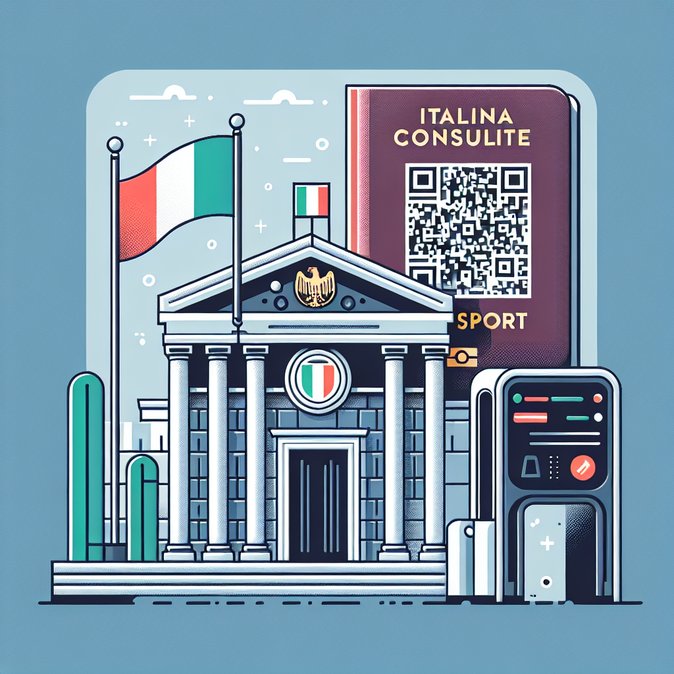
Rome chose the final weekend of the Milano-Cortina 2026 Winter Olympics to flip the switch on one of the biggest changes to Italian immigration processing in decades. As of 22 February 2026, all Italian consulates and visa outsourcing centres are authorised to issue Schengen visas in a purely digital format. Instead of the familiar foil sticker, successful applicants now receive a cryptographically-signed PDF containing a dynamic QR code that carriers and border officers can scan in seconds. The digital visa is designed to work hand-in-hand with 150 new automated e-gates that the Civil Aviation Authority (ENAC) is installing at Rome-Fiumicino, Milan-Malpensa, Venice, Naples, Bologna and Catania airports before the summer rush. Travellers who have already given fingerprints for a Schengen visa in the past 59 months will be able to walk straight to an e-gate, scan the QR code on their phone or printed visa, look at the camera for a biometric match and clear the border in about 15 seconds.
![Italy rolls out nationwide e-Visa platform and 150 biometric e-gates]()
For applicants who prefer expert assistance navigating this transition, VisaHQ’s team of immigration specialists can manage the entire Italian Schengen visa process—from completing the new digital forms to ensuring the cryptographically-signed PDF lands safely in your mobile wallet. Their dedicated Italy portal (https://www.visahq.com/italy/) bundles real-time requirements, appointment scheduling and status tracking, making the shift to paperless travel virtually friction-free.
For global mobility managers the change is more than cosmetic. HR teams must update check-lists to ensure that the PDF is stored in travellers’ mobile wallets and that airline profiles are amended so departure-control systems recognise the new visa class. Because the QR code is dynamically verified against the central visa database, photocopies will no longer be accepted at check-in. Companies whose travel policies still require a paper print-out should revise their rules swiftly to avoid airport headaches. The digital shift also dovetails with the European Union’s broader border-security agenda: the Entry/Exit System (EES) and ETIAS travel authorisation will go live later in 2026. By capturing visa data electronically now, Italy hopes to minimise double-handling once EES kiosks start collecting fingerprints and facial images from visa-exempt travellers. The Interior Ministry has confirmed a pilot phase from July, with a full nationwide roll-out by December 2026. Practical tip: travellers should keep the visa PDF and the passport that was used for the application on the same device and make sure both are sufficiently charged; border agents will not accept screenshots or expired passports. Airlines are updating mobile apps so the visa file can be uploaded alongside passports and Covid certificates, ensuring a smoother “ready-to-fly” status at online check-in.

For applicants who prefer expert assistance navigating this transition, VisaHQ’s team of immigration specialists can manage the entire Italian Schengen visa process—from completing the new digital forms to ensuring the cryptographically-signed PDF lands safely in your mobile wallet. Their dedicated Italy portal (https://www.visahq.com/italy/) bundles real-time requirements, appointment scheduling and status tracking, making the shift to paperless travel virtually friction-free.
For global mobility managers the change is more than cosmetic. HR teams must update check-lists to ensure that the PDF is stored in travellers’ mobile wallets and that airline profiles are amended so departure-control systems recognise the new visa class. Because the QR code is dynamically verified against the central visa database, photocopies will no longer be accepted at check-in. Companies whose travel policies still require a paper print-out should revise their rules swiftly to avoid airport headaches. The digital shift also dovetails with the European Union’s broader border-security agenda: the Entry/Exit System (EES) and ETIAS travel authorisation will go live later in 2026. By capturing visa data electronically now, Italy hopes to minimise double-handling once EES kiosks start collecting fingerprints and facial images from visa-exempt travellers. The Interior Ministry has confirmed a pilot phase from July, with a full nationwide roll-out by December 2026. Practical tip: travellers should keep the visa PDF and the passport that was used for the application on the same device and make sure both are sufficiently charged; border agents will not accept screenshots or expired passports. Airlines are updating mobile apps so the visa file can be uploaded alongside passports and Covid certificates, ensuring a smoother “ready-to-fly” status at online check-in.